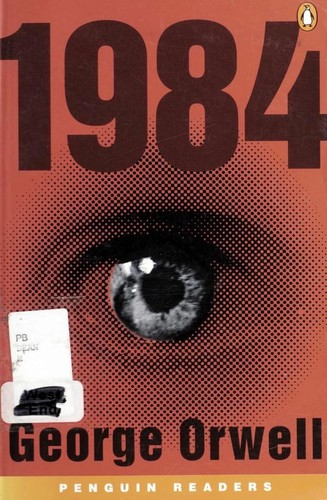
> 1984
George Orwell • 1949 • Unknown
A canonical surveillance dystopia where language, fear, and state power are engineered to crush private thought.
1 referencing article
A manually curated field index of post-collapse fiction mentioned across Ash Tales, with quick ratings, notes, and links back into the archive.
>INDEX READY // 136 ENTRIES // CURATED LINKS ONLINE
George Orwell • 1949 • Unknown
A canonical surveillance dystopia where language, fear, and state power are engineered to crush private thought.
1 referencing article

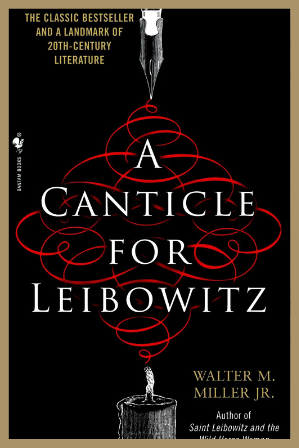
Walter M. Miller, Jr. • 1959 • Nuclear war
Still one of the sharpest post-collapse novels about memory, ritual, and humanity's talent for repeating its worst mistakes.
My rating: 5 / 5 4 referencing articles
M. K. Wren • 1990 • Nuclear war
A quiet, humane post-nuclear novel about preserving books, memory, and decency when almost everything else has been lost.
0 referencing articles

Harley Tate • 2016 • EMP
A hard-survival EMP series that leans into social fracture, local power struggles, and the grim logic of leadership under pressure.
1 referencing article Series: The Darkness Trilogy
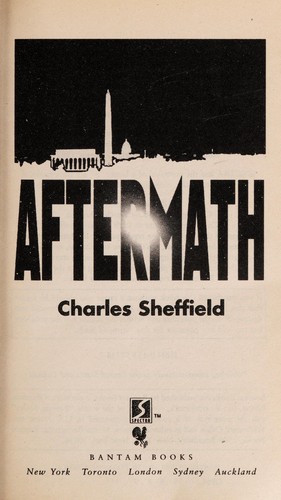
Charles Sheffield • 1991 • EMP
A scientist-minded collapse novel with a cool, systems-oriented feel. It is strongest when it leans into the chain reaction of failing infrastructure.
0 referencing articles

Pat Frank • 1959 • Nuclear war
A classic because it understands that apocalypse is mostly logistics, leadership, and the slow daily work of staying decent.
My rating: 5 / 5 6 referencing articles

Neil Gaiman • 2001 • Unknown
Big, strange, and deeply American. It is not classic post-apocalypse, but it matches the mythic road-quest energy many archive guides need.
My rating: 4 / 5 1 referencing article
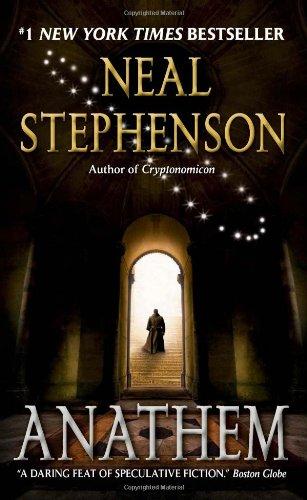
Neal Stephenson • 2008 • Unknown
A dense, big-brained near-fit for the archive. It scratches the same civilizational-memory itch even when it resists neat category labels.
My rating: 4 / 5 1 referencing article

Susan Ee • 2011 • Unknown
Fast-moving YA apocalypse fiction that keeps its stakes personal and sharp even with the larger supernatural chaos in play.
0 referencing articles Series: Penryn & the End of Days
Jose Saramago • 1995 • Pandemic
An ugly, allegorical collapse novel that turns social order into something frighteningly thin. It is brutal, but deliberately so.
0 referencing articles
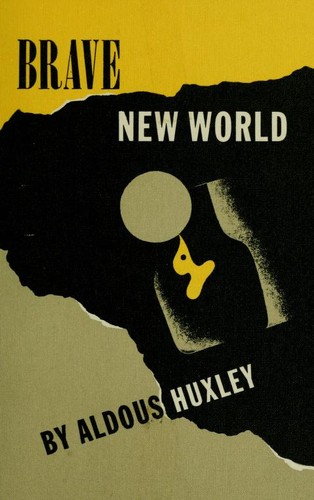
Aldous Huxley • 1932 • Unknown
Not an aftermath novel, but still one of the defining texts for engineered social decay and managed human dehumanization.
1 referencing article
S.G. Browne • 2009 • Zombie
A shambling workplace satire that treats zombie rot like arrested adulthood. Better when you want gallows humor than hard survival tension.
1 referencing article
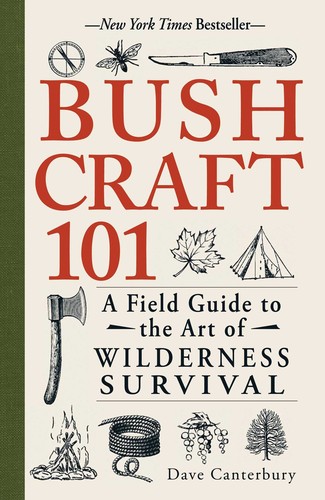
Dave Canterbury • 2014 • Unknown
A straightforward field-skills manual. Less apocalyptic in framing, but useful if you want the hands-on survival layer of the archive.
0 referencing articles
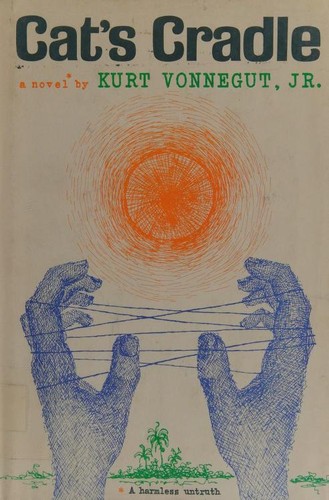
Kurt Vonnegut • 1963 • Nuclear war
Vonnegut turns apocalypse into black comedy and still lands the horror. Short, sharp, and much nastier than its wit first suggests.
0 referencing articles
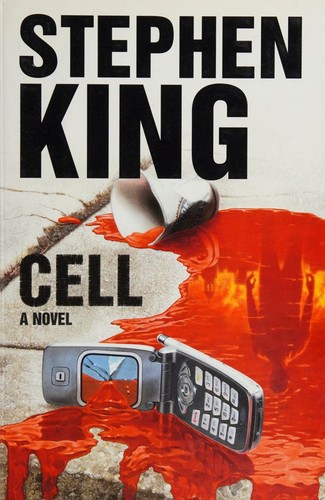
Stephen King • 2006 • Zombie
A nasty, fast-moving apocalypse novel with a gloriously dumb premise that King sells through sheer momentum.
My rating: 4 / 5 4 referencing articles
Louise Lawrence • 1985 • Nuclear war
A tough nuclear-aftermath novel that keeps its attention on trauma, family strain, and the cost of survival after the blast.
0 referencing articles

Roger Zelazny • 1969 • Nuclear war
Pulpy and violent in the best old-school way. It is more wasteland ride than reflective ruin, but that is exactly the appeal.
0 referencing articles
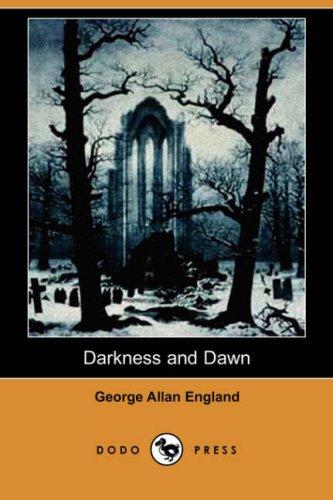
George Allan England • 1912 • Unknown
Grand, melodramatic early ruin fiction with big gestures and big scale. Uneven, but fascinating as a genre ancestor.
1 referencing article

Sarah Hall • 2007 • Unknown
Cold, spare, and quietly angry. It is one of the better feminist dystopias for readers who want restraint over spectacle.
0 referencing articles
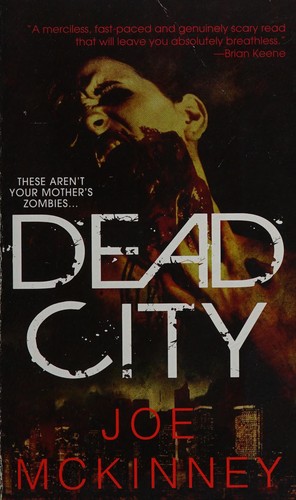
Joe McKinney • 2006 • Zombie
Fast, ugly, and very good at the immediate-chaos phase of an outbreak. This one moves like a siren.
My rating: 4 / 5 2 referencing articles

Veronica Roth • 2011 • Unknown
A slick YA dystopia that is lighter than the bleakest entries here, but undeniably influential in the genres mainstream lane.
0 referencing articles Series: Divergent
David Graham • 1979 • Nuclear war
A disaster novel built around evacuation, confinement, and the psychology of a world ending at a distance. Claustrophobic in a memorable way.
0 referencing articles
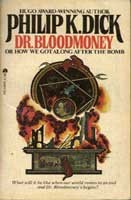
Philip K. Dick • 1965 • Nuclear war
Messy in a very PKD way, but the irradiated weirdness is exactly what gives it its staying power.
My rating: 4 / 5 1 referencing article
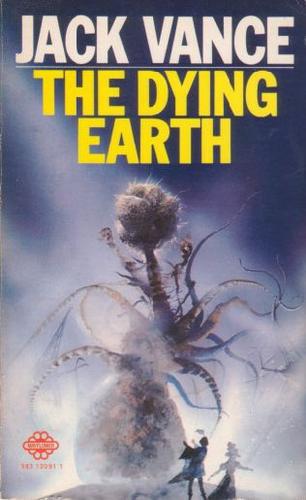
Jack Vance • 1950 • Unknown
Less about the instant of collapse than the long tail of civilizational exhaustion. The atmosphere of decay is the real selling point.
0 referencing articles
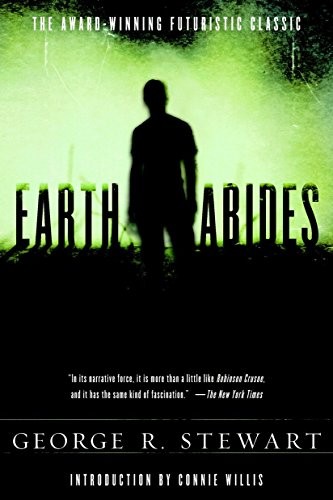
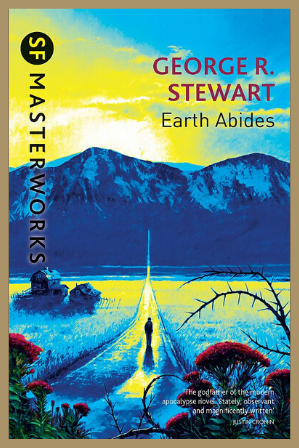
George R. Stewart • 1949 • Pandemic
A foundational post-pandemic classic with an anthropological streak. It is patient, observant, and more interested in civilization than spectacle.
0 referencing articles

Kyla Stone • 2018 • EMP
A fast, stripped-back collapse thriller with enough momentum to compensate for its familiar setup.
1 referencing article Series: Edge of Collapse

John Crowley • 1979 • Unknown
Dreamy, strange, and much softer than most end-of-the-world fiction. It works when you want something haunted instead of brutal.
My rating: 4 / 5 1 referencing article
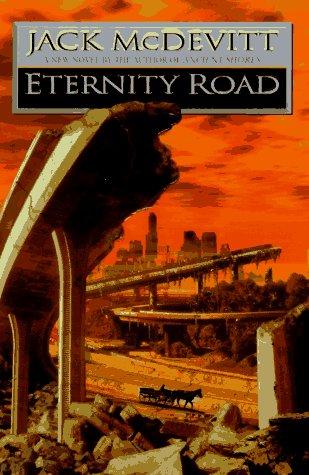
Jack McDevitt • 1997 • Pandemic
A long-range post-plague quest novel with a strong sense of lost history. It works best when it treats the old world as rumor and archaeology.
0 referencing articles
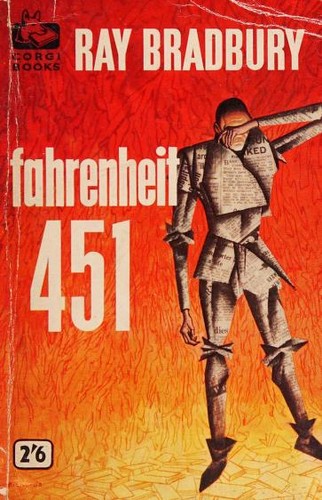
Ray Bradbury • 1953 • Unknown
A classic censorship dystopia about entertainment, anti-intellectualism, and the political convenience of a passive public.
1 referencing article
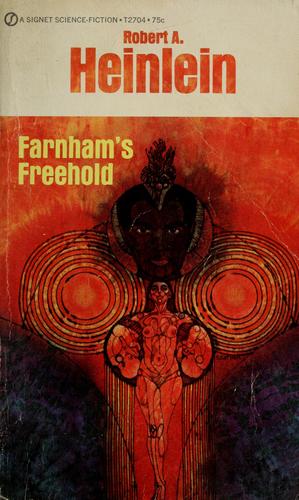
Robert A. Heinlein • 1964 • Nuclear war
Uneven and often uncomfortable, but still historically interesting as a strange, reactionary branch of nuclear survival fiction.
0 referencing articles
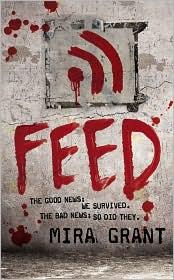
Mira Grant • 2010 • Zombie
One of the smarter zombie novels here. It cares about media systems, power, and public trust as much as infected bodies.
My rating: 4 / 5 5 referencing articles Series: Newsflesh

Kylie Scott • 2013 • Unknown
A high-heat apocalypse romance with zombies in the background and survival pressure in the foreground. It knows exactly what shelf it belongs on.
0 referencing articles
Tom Abraham • 2012 • EMP
Squarely in the grid-down survival lane. It works best when you want forward motion, danger, and a community-under-pressure setup.
1 referencing article Series: Home
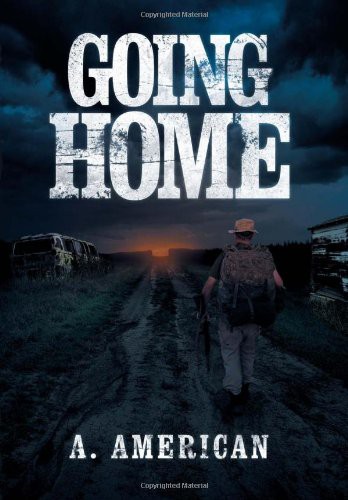
A. American • 2012 • EMP
A blunt, competency-driven grid-down survival novel. If you want practical prepper fantasy with momentum, this absolutely delivers that lane.
1 referencing article
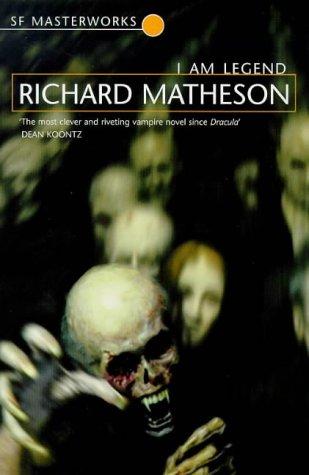
Richard Matheson • 1954 • Zombie
A foundational genre text. Lean, lonely, and far stranger than the adaptations usually let it be.
"I am legend."
My rating: 5 / 5 3 referencing articles

Claire Kent • 2021 • Unknown
More intimate than broad-spectrum collapse fiction. It is strongest when it keeps the focus on scarcity, vulnerability, and human dependence.
0 referencing articles
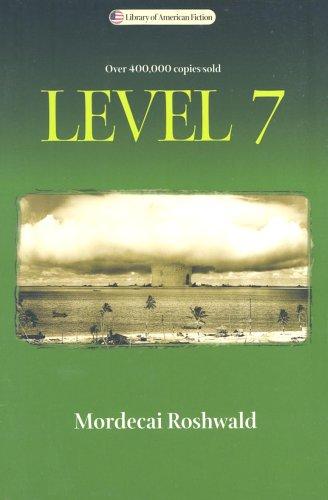
Mordecai Roshwald • 1959 • Unknown
Cold, clinical, and deeply claustrophobic. One of the better books for capturing the bunker logic of nuclear annihilation.
0 referencing articles
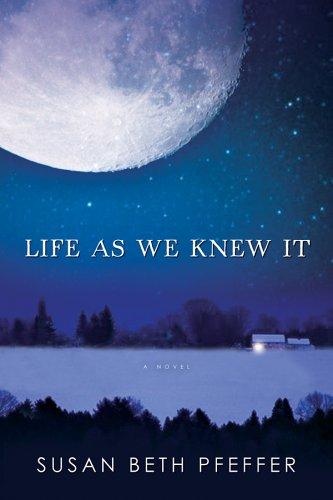
Susan Beth Pfeffer • 2006 • Unknown
A strong domestic survival novel that understands how quickly routine becomes crisis. Excellent at the intimate scale of disaster.
0 referencing articles Series: Last Survivors
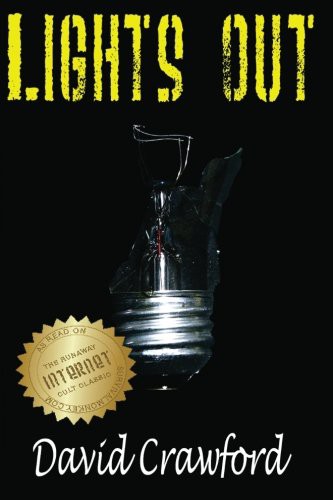
David Crawford • 2010 • EMP
One of the more influential grid-failure survival reads. It is rough around the edges, but very good at making everyday fragility feel immediate.
1 referencing article

Larry Niven and Jerry Pournelle • 1977 • Unknown
Big-disaster fiction with an old-school systems-collapse scope. Uneven in places, but still influential when you want catastrophe at scale.
1 referencing article
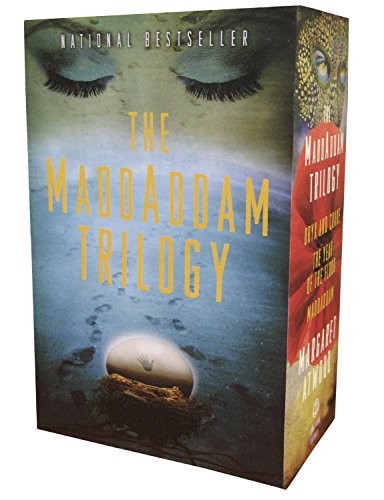
Margaret Atwood • 2013 • Pandemic
The final volume pays off the trilogy's biotech apocalypse by widening the social and ethical picture rather than simply chasing plot.
0 referencing articles Series: MaddAddam

Margaret Atwood • 2003 • Unknown
Series entry carried over from the original roundup and kept here as a useful archive reference.
0 referencing articles Series: MaddAddam

Dmitry Glukhovsky • 2002 • Nuclear war
Claustrophobic and grim in exactly the right way. The underground setting gives the nuclear-aftershock mood real bite.
My rating: 4 / 5 2 referencing articles Series: Metro
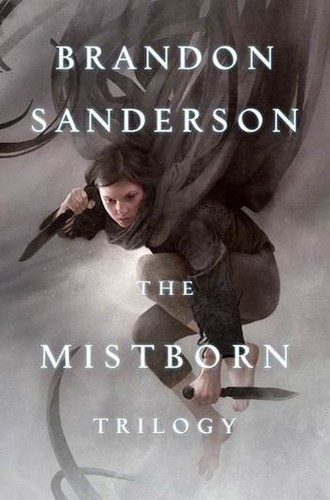
Brandon Sanderson • 2006 • Unknown
Not pure post-apocalyptic fiction, but the ash-choked empire and exhausted world absolutely scratch that ruined-civilization itch.
0 referencing articles Series: Mistborn
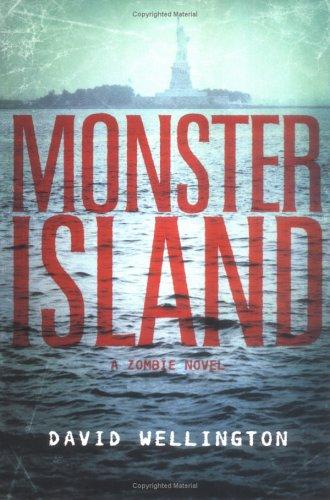
David Wellington • 2006 • Zombie
Lean, nasty, and unapologetically monster-forward. Good when you want the undead turned up past subtlety.
My rating: 4 / 5 2 referencing articles

Diana Rowland • 2011 • Zombie
Funny, scrappy, and lighter on its feet than the title suggests. A good pick when you want zombies with charm instead of pure dread.
1 referencing article Series: White Trash Zombie

Kazuo Ishiguro • 2005 • Unknown
Quiet, devastating dystopian fiction where social violence is normalized through polite institutions and soft denial.
1 referencing article
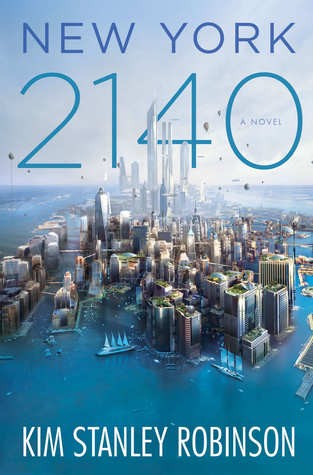
Kim Stanley Robinson • 2017 • Climate
Big-idea cli-fi with more systems thinking than urgency. Worth it when I want the societal angle more than the survival angle.
My rating: 3 / 5 2 referencing articles
Mira Grant • 2010 • Unknown
Series entry carried over from the original roundup and kept here as a useful archive reference.
0 referencing articles Series: Newsflesh

Cresson H. Kearny • 1979 • Unknown
Dry, technical, and invaluable in its niche. It is one of the clearest artifacts of practical thinking under existential threat.
0 referencing articles
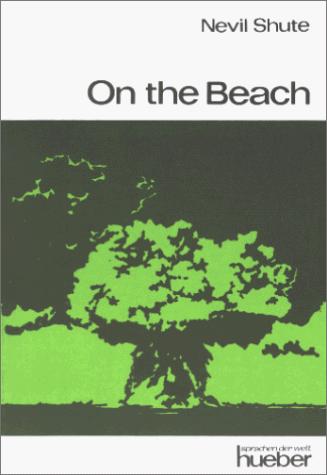
Nevil Shute • 1957 • Nuclear war
Bleak, controlled, and quietly brutal. It trades survival thrills for dread, and that restraint is exactly why it lands.
My rating: 4 / 5 5 referencing articles

William R. Forstchen • 2009 • EMP
Not subtle, but very effective when you want the systems-fail, town-holds-the-line version of catastrophe.
My rating: 4 / 5 3 referencing articles Series: John Matherson

Margaret Atwood • 2003 • Pandemic
Cold, clever, and nastily plausible. The biotech satire is a big part of what makes the collapse feel earned.
My rating: 5 / 5 4 referencing articles Series: MaddAddam

Octavia E. Butler • 1993 • Climate
Uncomfortably plausible and still one of the most intelligent collapse novels on the shelf.
"All that you touch You Change."
My rating: 5 / 5 4 referencing articles Series: Earthseed
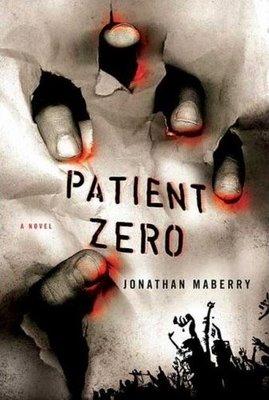
Jonathan Maberry • 2009 • Zombie
A high-octane outbreak thriller that leans harder into action than atmosphere, but it absolutely knows how to move.
My rating: 4 / 5 2 referencing articles
James Wesley Rawles • 2009 • EMP
More manifesto than subtle fiction, but it matters as a defining text in the prepper-collapse corner of the genre.
0 referencing articles
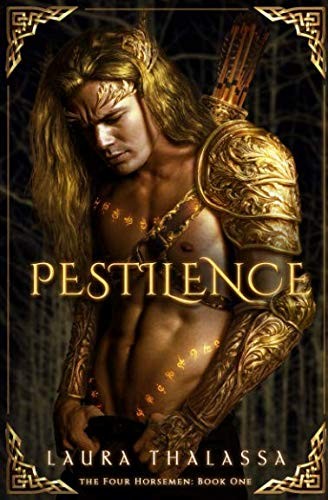
Laura Thalassa • 2018 • Unknown
A romance-forward apocalypse novel, but the plague-ravaged setting gives it enough weight to stand as more than just a gimmick.
0 referencing articles Series: The Four Horsemen

Seth Grahame-Smith • 2009 • Zombie
The concept should be insufferable and somehow mostly works. Best approached as clever genre vandalism.
My rating: 4 / 5 3 referencing articles

Mark Lawrence • 2011 • Unknown
A vicious post-collapse fantasy that pushes its antihero hard. Better if you want brutality, momentum, and very little softness.
0 referencing articles Series: Broken Empire
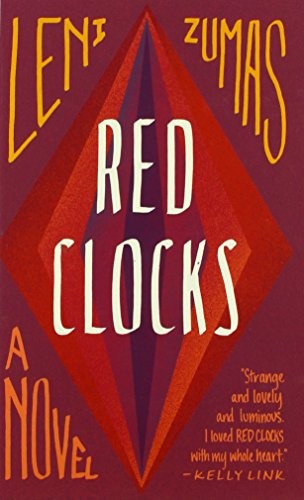
Leni Zumas • 2018 • Unknown
A close-focus dystopia about cumulative legal constraints on reproductive autonomy and daily life.
My rating: 4 / 5 1 referencing article

Russell Hoban • 1980 • Nuclear war
Demanding, weird, and worth the effort. Once the language clicks, the whole ruined world feels singular.
My rating: 4 / 5 3 referencing articles
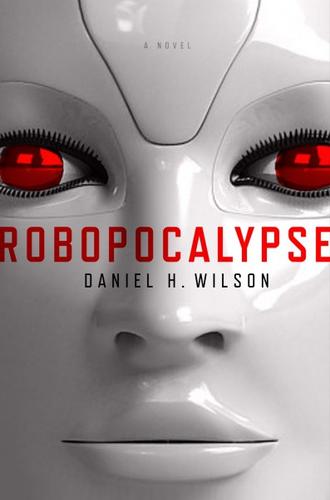
Daniel H. Wilson • 2011 • Unknown
A brisk, multi-perspective machine-uprising thriller that scratches the same global-collapse itch as oral-history apocalypse fiction.
My rating: 4 / 5 1 referencing article
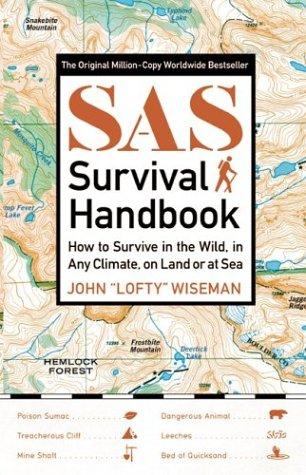
John 'Lofty' Wiseman • 1986 • Unknown
Not fiction, but a genuine cornerstone text for the practical survival side of the archive. Clear, useful, and battle-tested in tone.
0 referencing articles

Walter M. Miller, Jr. • 1997 • Nuclear war
Not as essential as Canticle, but it is still a worthwhile return to Millers world of faith, memory, and recurring civilizational failure.
0 referencing articles

Hugh Howey • 2011 • Unknown
Series entry carried over from the original roundup and kept here as a useful archive reference.
0 referencing articles Series: Silo
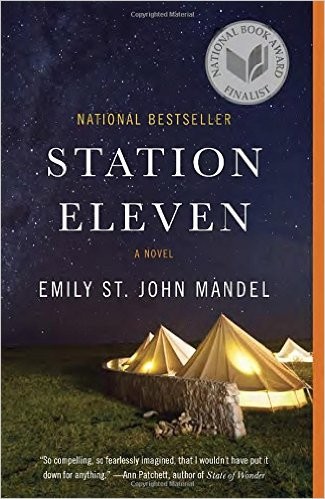
Emily St. John Mandel • 2014 • Pandemic
Quiet, elegant, and smarter than most collapse fiction. It remembers that art and memory survive alongside logistics.
My rating: 5 / 5 5 referencing articles
Emily St. John Mandel • 2014 • Pandemic
Quiet, elegant, and much more interested in what survives culturally than in survivalist spectacle.
My rating: 3 / 5 5 referencing articles
Robert R. McCammon • 1987 • Nuclear war
Big, wild, and unapologetically maximalist. When I want post-nuclear horror with real mythic scale, this delivers.
My rating: 4 / 5 4 referencing articles
Robert R. McCammon • 1987 • Nuclear war
Huge, dark, and gloriously excessive. It pushes into fantasy, but the ruined-world momentum absolutely works.
My rating: 4 / 5 4 referencing articles
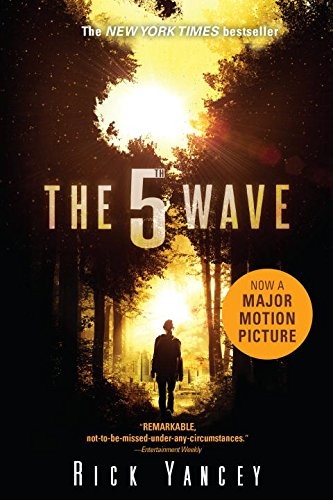
Rick Yancey • 2013 • Unknown
Fast, high-concept, and built for momentum. It leans more blockbuster than profound, but it keeps the pressure on.
0 referencing articles Series: The 5th Wave
Patrick Tilley • 1983 • Unknown
A weird and energetic hybrid of dystopia, war story, and pulp post-collapse adventure. The setting does a lot of the work.
0 referencing articles Series: The Amtrak Wars
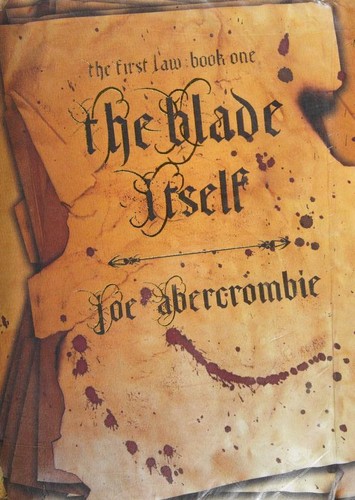
Joe Abercrombie • 2006 • Unknown
Dark, funny, and character-first fantasy with a cynical edge. It fits best as a thematic bridge from ruined worlds into grim quest fiction.
My rating: 4 / 5 1 referencing article Series: The First Law

Gene Wolfe • 1980 • Unknown
Series entry carried over from the original roundup and kept here as a useful archive reference.
1 referencing article Series: The Book of the New Sun

Meg Elison • 2014 • Unknown
Raw, practical, and unsentimental. One of the strongest recent collapse novels for bodily risk and day-to-day survival logic.
0 referencing articles Series: Road to Nowhere

Kazuo Ishiguro • 2015
Quiet, sorrowful, and aftermath-focused. It earns its place when the appeal is memory, loss, and the long shadow a broken world leaves behind.
1 referencing article
P.D. James • 1992 • Pandemic
Bleak, controlled, and politically sharp. Its slow demographic doom is less flashy than most apocalypses and more unsettling for it.
2 referencing articles
John Wyndham • 1955 • Nuclear war
A clean, unsettling classic about mutation, conformity, and fear of difference. It still reads with surprising force.
0 referencing articles
China Mieville • 2009 • Unknown
Not post-apocalyptic in the strict sense, but it hits adjacent territory through civic fracture, borders, and a reality that feels permanently unstable.
1 referencing article
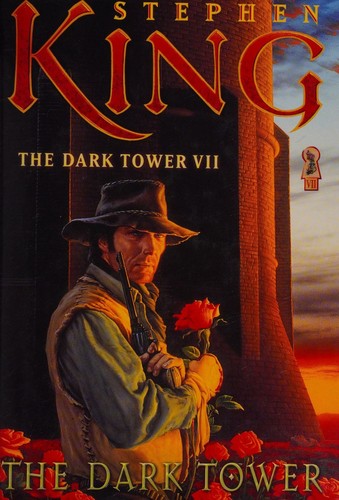
Stephen King • 1982 • Unknown
Massive, strange, and gloriously overcommitted. It earns its place here by feeling like an entire world decaying in slow motion.
My rating: 5 / 5 6 referencing articles Series: The Dark Tower
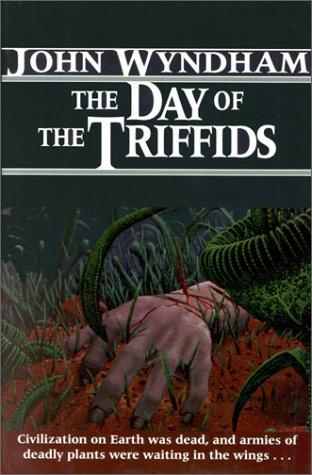
John Wyndham • 1951 • Pandemic
A foundational disaster novel that still feels brisk and readable. It balances social breakdown with monster-story fun very cleanly.
0 referencing articles
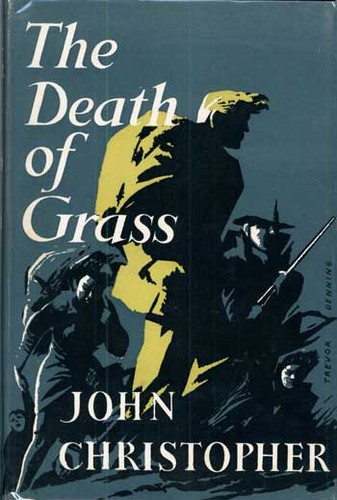
John Christopher • 1956 • Ecological
A hard, efficient collapse novel. The premise is simple and brutal, and the social unraveling starts almost immediately.
My rating: 4 / 5 4 referencing articles
Peter Heller • 2012 • Pandemic
Lean, lonely, and unexpectedly tender. It gets a lot of mileage out of grief, landscape, and the thin hope of connection.
My rating: 4 / 5 2 referencing articles
Peter Heller • 2012 • Pandemic
One of the more lyrical survival novels on the list, with just enough quiet to make the loneliness sting.
My rating: 4 / 5 2 referencing articles
JG Ballard • 1962 • Climate
Ballard at his most dreamlike and feverish. The flooded heat and psychological drift matter more here than conventional plot.
0 referencing articles

Victoria Lee • 2019 • Unknown
A sharp, politically charged YA/post-collapse hybrid with strong bodily vulnerability and power-struggle tension.
0 referencing articles Series: Feverwake

N.K. Jemisin • 2015 • Climate
Ferocious, inventive, and emotionally heavy. It earns the hype by making planetary catastrophe feel intimate and personal.
0 referencing articles Series: The Broken Earth
Carrie Ryan • 2009 • Zombie
A good YA pick when you want atmosphere, dread, and just enough romance without losing the survival pressure.
My rating: 4 / 5 4 referencing articles Series: The Forest of Hands and Teeth
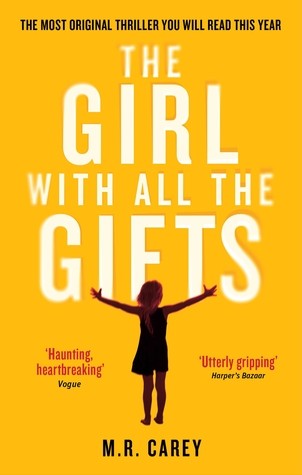
M.R. Carey • 2014 • Zombie
A strong blend of momentum and melancholy. It takes a familiar zombie setup and makes it feel sharp again.
My rating: 4 / 5 3 referencing articles

Ryan Law • 2020 • Climate
A wet, atmospheric collapse fantasy built around drowned cities, hard travel, and slow-burn worldbuilding. Strong when you want mood and setting first.
0 referencing articles Series: The Rainmaker Writings

Stephen King • 1982 • Unknown
Sparse, hypnotic, and more mythic than the later books. It sells the end-of-the-world mood through tone more than exposition.
2 referencing articles Series: The Dark Tower
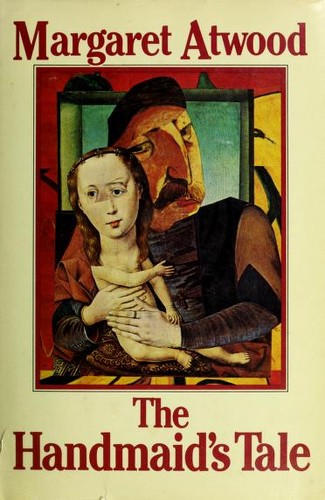
Margaret Atwood • 1985 • Unknown
A canonical authoritarian-collapse novel where institutional cruelty matters more than rubble. Still brutally effective.
2 referencing articles
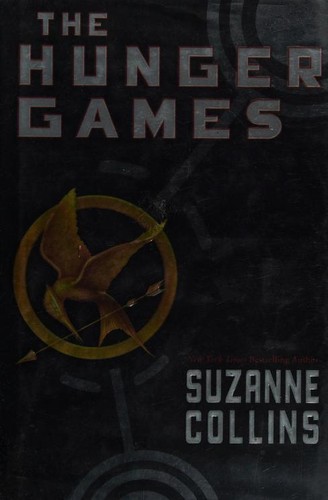
Suzanne Collins • 2008 • Unknown
More dystopian spectacle than true aftermath fiction, but its survival mechanics and state violence still make it relevant here.
2 referencing articles Series: The Hunger Games

Mary Shelley • 1826 • Unknown
A deeply melancholy plague novel that deserves its reputation as an early pillar of post-apocalyptic literature.
1 referencing article

John Joseph Adams • 2020 • Zombie
An enormous anthology, but a worthwhile one if you want a broad survey of how many ways zombie fiction can mutate.
My rating: 4 / 5 2 referencing articles
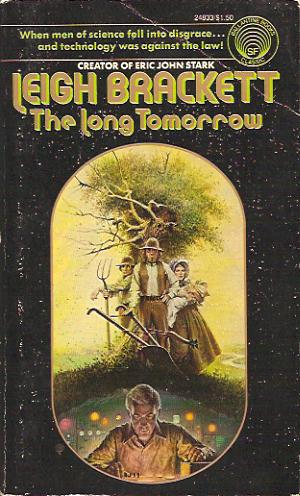
Leigh Brackett • 1955 • Nuclear war
Lean, old-school, and still compelling. It gets a lot of mileage out of the tension between rural order and lost technology.
My rating: 4 / 5 1 referencing article
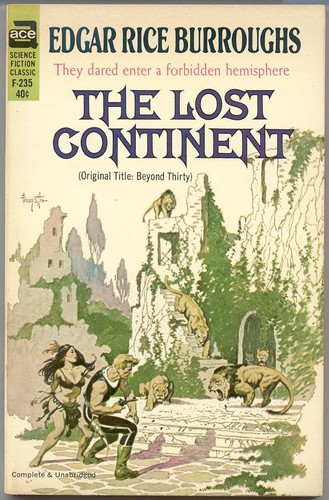
Edgar Rice Burroughs • 1916 • Unknown
A brisk, adventurous early future-ruins story. Pulpier than profound, but still a useful piece of the lineage.
1 referencing article
Larry Niven • 1978 • Unknown
A clever entropy fantasy built on resource depletion rather than blast-radius collapse. The central idea still feels strong.
0 referencing articles

James Dashner • 2009 • Unknown
Built more as a survival puzzle than a classic aftermath novel, but it uses scarcity and confusion very effectively.
0 referencing articles Series: The Maze Runner
Fernando "FerFAL" Aguirre • 2009 • Unknown
A practical-minded collapse guide with a sharper real-world edge than most prep manuals. Useful for the social side of breakdown.
0 referencing articles
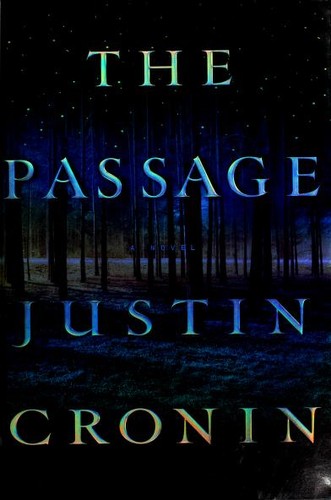
Justin Cronin • 2010 • Zombie
Massive, patient, and occasionally overgrown, but when it locks in, it delivers the full end-of-the-world epic scale.
My rating: 3 / 5 8 referencing articles Series: The Passage
Pierre Boulle • 1963 • Pandemic
More philosophical satire than straight collapse fiction, but it earns its place through its inverted civilization logic and bleak irony.
0 referencing articles

Arthur Conan Doyle • 1913 • Unknown
Early end-of-the-world fiction with a curious scientific-romance feel. Historically important and still strangely readable.
1 referencing article
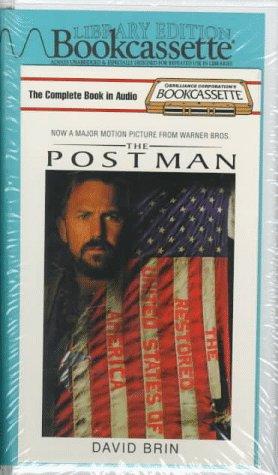
David Brin • 1985 • Nuclear war
Earnest in a way I like. It knows symbols can matter just as much as canned food once society starts rebuilding.
My rating: 4 / 5 5 referencing articles

Naomi Alderman • 2016 • Unknown
A sharp dystopian power inversion that pairs well with Handmaid's Tale-era themes of control, violence, and institutional drift.
My rating: 4 / 5 1 referencing article

R. Scott Bakker • 2003 • Unknown
Dense, philosophical, and merciless. It rewards patience if you want civilizational ruin treated with real scale and seriousness.
0 referencing articles
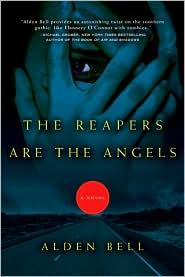
Alden Bell • 2010 • Zombie
A grim, lyrical zombie road novel with more melancholy than most books in this lane can manage.
My rating: 4 / 5 3 referencing articles
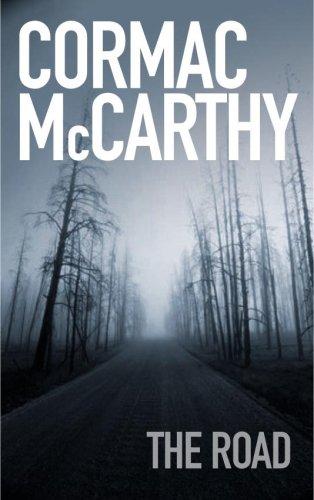
Cormac McCarthy • 2006 • Nuclear war
As stripped down as the landscape itself. Miserable in the best way, and still unmatched for atmosphere.
"You forget what you want to remember."
My rating: 5 / 5 8 referencing articles
Jessamine Chan • 2022 • Unknown
A contemporary social-control novel where state surveillance reframes motherhood as enforceable performance.
My rating: 4 / 5 1 referencing article
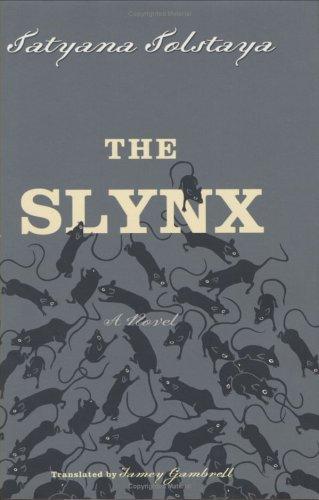
Tatyana Tolstaya • 2000 • Nuclear war
Grotesque, satirical, and linguistically strange. It makes its ruined culture feel warped from the inside out.
1 referencing article
Alechia Dow • 2020 • Unknown
A gentler post-invasion dystopia that mixes hope, art, and survival. Distinctive when you want something less brutal.
0 referencing articles
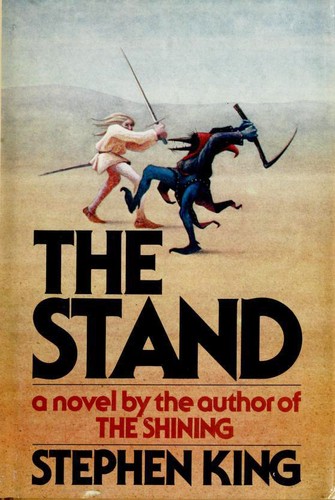
Stephen King • 1978 • Pandemic
Baggy, strange, and hugely readable. When I want a sprawling end-of-the-world novel with real momentum, this still does the job.
"No great loss."
My rating: 5 / 5 5 referencing articles
Kim Stanley Robinson • 1984 • Unknown
Series entry carried over from the original roundup and kept here as a useful archive reference.
0 referencing articles Series: The Three Californias
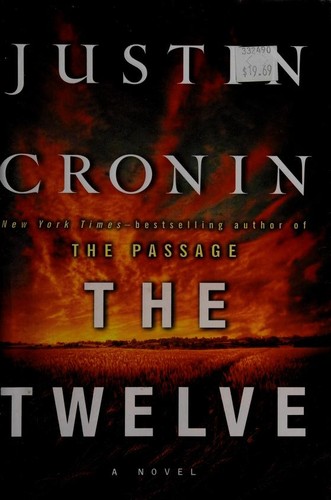
Justin Cronin • 2012 • Zombie
Less immediately accessible than The Passage, but it expands the ruined world in interesting, unsettling directions.
My rating: 2 / 5 3 referencing articles Series: The Passage
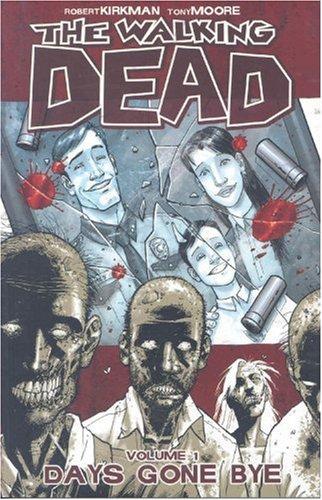
Robert Kirkman • 2003 • Zombie
The comics remain the strongest version of this world. It is excellent at attrition, community politics, and the long grind of staying human.
2 referencing articles Series: The Walking Dead
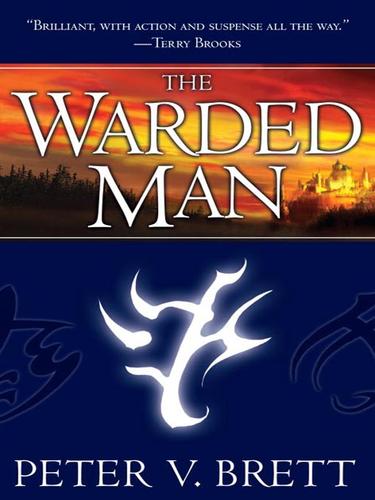
Peter V. Brett • 2008 • Unknown
A solid gateway into dark survival fantasy, with night-by-night threat pressure giving the world a useful sense of vulnerability.
0 referencing articles Series: The Demon Cycle

Stephen King • 1991 • Unknown
A strong middle Dark Tower entry that deepens the sense of a world breaking down across time, space, and logic.
0 referencing articles Series: The Dark Tower
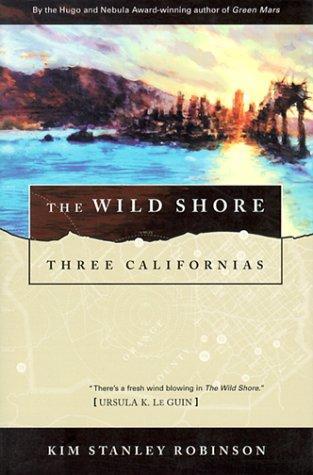
Kim Stanley Robinson • 1984 • Nuclear war
A grounded regional apocalypse with real texture. It is especially good at showing how politics and geography shape life after collapse.
0 referencing articles

Paolo Bacigalupi • 2009 • Climate
Dense, sharp cli-fi with biotech, scarcity, and ugly power politics all grinding against each other. Still one of the standout modern entries.
0 referencing articles
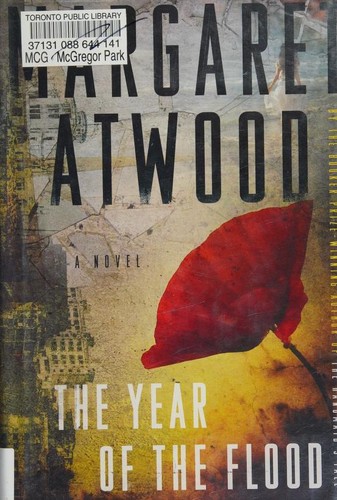
Margaret Atwood • 2009 • Pandemic
A stronger social companion to Oryx and Crake than some readers expect. It is especially good on community, belief, and practical adaptation.
1 referencing article Series: MaddAddam

Max Brooks • 2003 • Zombie
Half joke, half genuinely useful apocalypse manual. It earns its place by being weirdly practical and very readable.
My rating: 2 / 5 4 referencing articles
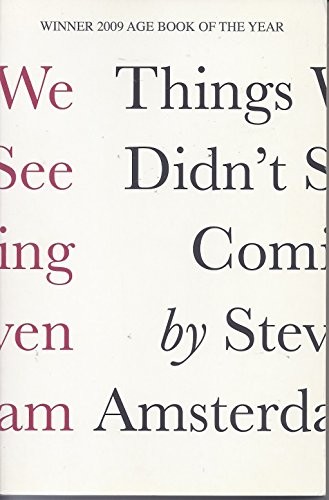
Steven Amsterdam • 2009 • Pandemic
Interesting in concept, but it never fully clicked for me. I admired parts of it more than I enjoyed reading it.
My rating: 2 / 5 2 referencing articles
Robert Bloch • 1958 • Unknown
A population-pressure dystopia with a mid-century speculative edge. More social anxiety than action, which suits it.
1 referencing article
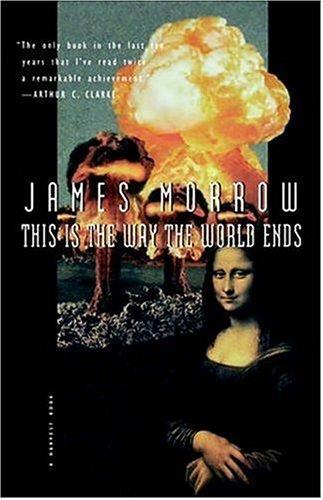
James K. Morrow • 1986 • Nuclear war
A savage piece of nuclear satire. Strange, ambitious, and much sharper than its premise sounds on paper.
My rating: 5 / 5 1 referencing article
Scott Westerfield • 2005 • Unknown
A major YA dystopia touchstone whose social engineering and body-control themes still hold up as genre fundamentals.
0 referencing articles

Lily Anderson • 2018 • Zombie
More horror-comedy than full collapse fiction, but it earns a slot here as a lively undead detour with sharp YA energy.
1 referencing article
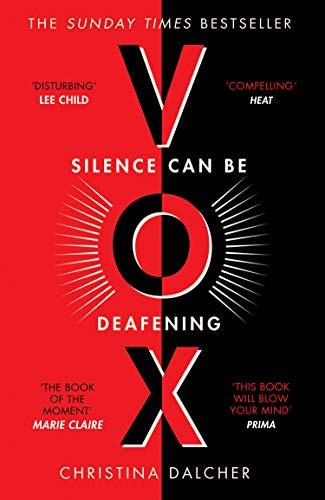
Christina Dalcher • 2018 • Unknown
A fast, direct warning about legal control of women's speech and civic participation.
My rating: 4 / 5 1 referencing article

Tochi Onyebuchi • 2019 • Unknown
Violent, technologically sharp, and emotionally harsh. It gives its future war zone real political and bodily weight.
0 referencing articles
Whitley Strieber and James Kunetka • 1984 • Nuclear war
A sharp pseudo-reportage portrait of post-strike America that focuses on infrastructure, institutions, and uneven recovery.
My rating: 4 / 5 2 referencing articles
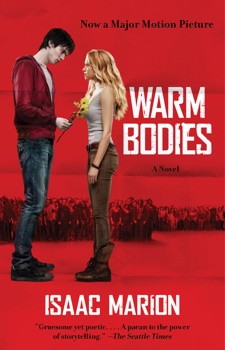
Isaac Marion • 2010 • Zombie
A softer, stranger zombie book than most. It works because the romance angle never fully loses the ruin around it.
My rating: 4 / 5 4 referencing articles Series: Warm Bodies
Yevgeny Zamyatin • 1924 • Unknown
An early totalitarian dystopia that helped define the genre's obsession with conformity, control, and the erasure of individuality.
1 referencing article

Raymond Briggs • 1982 • Nuclear war
Quiet, devastating, and all the more effective because it refuses to shout. One of the bleakest nuclear books here.
My rating: 4 / 5 1 referencing article
David Werner • 1977 • Unknown
An essential practical manual rather than a narrative work, but it belongs here because survival without systems is exactly its subject.
0 referencing articles

Hugh Howey • 2011 • Unknown
A strong locked-world survival premise. The silo setup does a lot of the heavy lifting, and the mystery keeps it moving.
My rating: 4 / 5 3 referencing articles Series: Silo
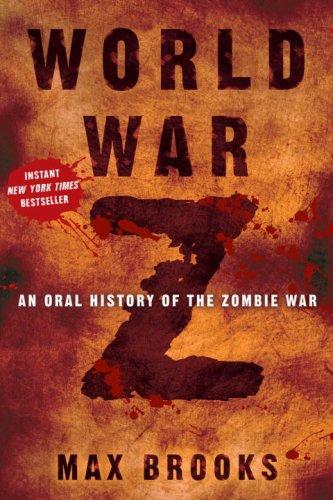
Max Brooks • 2006 • Zombie
The oral-history format gives it range and makes the collapse feel global without losing the human detail.
My rating: 4 / 5 4 referencing articles
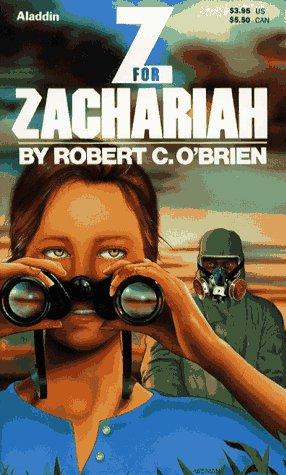
Robert C. O'Brien • 1974 • Nuclear war
Small-scale, tense, and very effective. Its isolation gives the moral pressure far more weight than the premise first suggests.
0 referencing articles
Colson Whitehead • 2011 • Zombie
Cooler and more reflective than most outbreak fiction. It works best if you want literary aftershock rather than pure adrenaline.
My rating: 3 / 5 3 referencing articles