Books Like World War Z: 7 Smart, Global-Scale Apocalypse Reads
The Ultimate Guide to Post-Apocalyptic Fiction
So you loved reading World War Z: the interview format, the sense of the end of the world being assembled from field reports and half-broken testimony, the way Max Brooks makes zombies feel less like monsters and more like a systems failure.
That is what makes this one slightly tricky to recommend after the fact. A lot of “books like World War Z” lists really mean “here are some more zombie books.” That is not quite good enough. Brooks’ novel is doing several things at once: outbreak horror, military history pastiche, political satire, disaster logistics, and a fake oral history that makes the whole apocalypse feel already processed into archive material.
That is the angle I used for this rewrite. I kept a few of the strongest original recommendations, but I reorganized the page around the specific parts of World War Z readers usually want more of. If what you really want is another pseudo-documentary collapse novel, start with Warday. If you want zombie journalism and social systems, go to Feed. If you want another globe-spanning catastrophe told through many voices, Robopocalypse is still the cleanest handoff.
One other useful distinction: this list is for people who loved the Max Brooks book, not just the Brad Pitt film. The movie is built more around speed and set pieces. The novel’s real signature is structure, voice, and the weird pleasure of hearing civilisation explain itself after the fact.
Best Books Like World War Z at a Glance
- Closest documentary-style companion: Warday
- Best for zombie journalism, politics, and media systems: Feed
- Best for another global multi-voice disaster: Robopocalypse
- Best if you want more Max Brooks immediately: The Zombie Survival Guide
- Best for literary post-outbreak cleanup and aftershock: Zone One
- Best for huge outbreak scale and long-tail collapse: The Passage
- Best for first-wave citywide outbreak panic: Dead City
> Ryan's quick-start picks
Warday
Start here if your favorite World War Z sections were the ones about infrastructure, testimony, and what a country looks like after catastrophe has become bureaucracy.
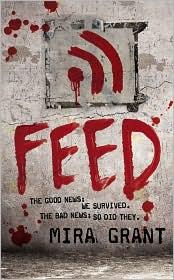
Feed
Start here if you want zombies plus journalism, conspiracy, public trust, and a society that has learned to keep functioning after the outbreak.
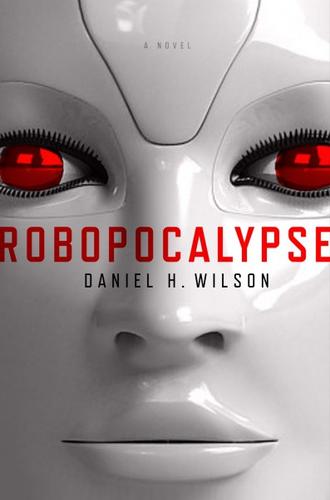
Robopocalypse
Start here if you want another fast, multi-perspective global collapse novel that thinks in continents rather than neighborhoods.
Warday by Whitley Strieber and James Kunetka
This is the least obvious recommendation on the page, and the one I most wish showed up more often in readalike lists for World War Z. Warday follows two journalists traveling through the United States years after a limited nuclear exchange, piecing together what the country has become through interviews, observation, rumor, policy talk, and damaged infrastructure.
The reason it belongs here has almost nothing to do with zombies and almost everything to do with form. Like World War Z, it gets a huge amount of mileage out of testimony, reportage, and the feeling that catastrophe has to be understood by listening to many partial witnesses. If your favorite Brooks chapters were the ones that felt like case studies in state failure, military compromise, and uneven recovery, this is the closest intellectual cousin on the shelf.
It is drier than World War Z, older, and more explicitly speculative-policy minded, but that is exactly why I like it as a recommendation. It makes Ash Tales feel curated instead of automatic.
Feed by Mira Grant
This was one of the strongest recommendations in the original version, and I would absolutely keep it. Grant’s novel follows sibling bloggers and journalists in an America that has adapted to the zombie apocalypse so thoroughly that infection protocols, media incentives, and political optics have all become ordinary parts of public life.
What makes it such a smart follow-up is that it understands zombies as a civic and informational problem, not just a flesh-eating one. Brooks does that at international scale. Grant does it through campaigning, conspiracy, celebrity, and public trust. If what you liked most about World War Z was the sense that society does not simply end, it mutates, Feed is a very strong next stop.
I also think this one lands especially well for readers who enjoy the “documentary” feel of World War Z, because even though the structure is different, Grant is just as interested in mediated reality, narrative control, and who gets to tell the story of a disaster. And if this is the lane you wanted all along, it is worth continuing into the rest of Grant’s Newsflesh series rather than stopping at book one.
Robopocalypse by Daniel H. Wilson
This was another recommendation worth preserving from the original page. If what you want most is the many-voices, whole-planet, catastrophe-in-fragments shape of World War Z, Robopocalypse is still one of the cleanest handoffs available.
The monsters are different, obviously: killer machines rather than the undead. But the structure scratches a very similar itch. Wilson builds his disaster through multiple viewpoints, scattered theatres of collapse, and the sense that no single protagonist can possibly contain an event this large. It has that same brisk “assembled from the wreckage” momentum that makes Brooks so readable.
I would reach for this when someone says, “I do not actually need more zombies. I need another book that makes global disaster feel panoramic.”
The Zombie Survival Guide by Max Brooks

This stays on the page for a different reason. It is not a novel, and I would not pretend otherwise. But if what you really miss is Brooks’ deadpan field-research voice, this is still the purest version of it.
Half of World War Z’s pleasure comes from how calmly it explains absurd horror. Brooks writes as if he is documenting an event that deserves contingency planning, doctrinal argument, and practical discussion rather than gothic awe. The Zombie Survival Guide is that instinct distilled into manual form.
I would send readers here if their favorite parts of World War Z were the fake practicality, the strategic thinking, and the sense that someone in this ruined universe sat down and tried to systematize the problem.
Zone One by Colson Whitehead
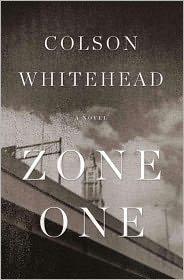
Most recommendation pages for World War Z push hard toward more action. I wanted one book here that leans the other way. Zone One follows cleanup crews in post-outbreak Manhattan as they clear lingering undead and drift through the psychological and cultural hangover of survival.
This is a particularly good choice if the part of Brooks’ novel that stayed with you was not the jump-scare side of the zombie war, but the melancholy of aftermath: what a city feels like once the emergency becomes administration, once memory has to coexist with routine, once disaster has entered its paperwork phase.
It is more literary, cooler in temperature, and much more interested in mood than in propulsive military-history sweep. That makes it a niche recommendation, but a useful one.
The Passage by Justin Cronin
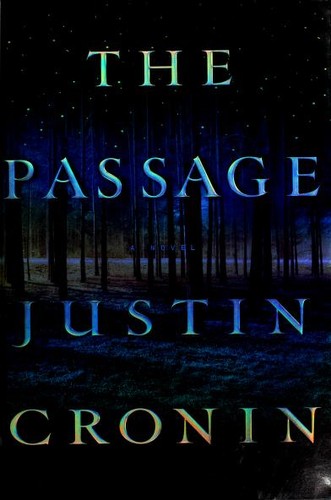
This recommendation also survives from the original guide, and I still think it earns the slot. The Passage is not a format match for World War Z, but it is a scale match. It gives you an engineered plague, a huge civilizational break, multiple time horizons, and the sense that history itself has become unstable.
If Brooks’ novel left you wanting another big outbreak book rather than another documentary-shaped one, this is the obvious next lane. Cronin is more mythic, more character-driven, and much more willing to linger in epic sprawl, but the appetite it satisfies is recognizably similar: “give me something huge, bleak, and interested in what institutions look like when they come apart.”
I would especially reach for this if your favorite World War Z chapters were Yonkers-style collapse points and the larger geopolitical aftermath, and you want another book with enough size to make the disaster feel civilizational instead of local.
Dead City by Joe McKinney
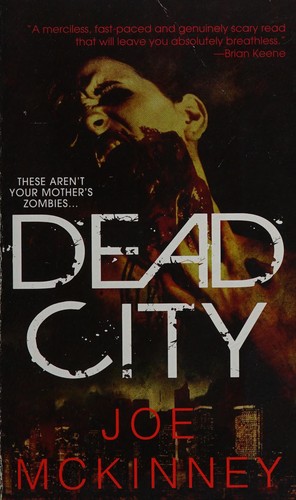
This is the recommendation for readers who say, “All right, but what I really loved was the panic.” McKinney’s novel throws you into the opening convulsions of an outbreak as a San Antonio cop tries to get back to his family while the city disintegrates.
It does not have Brooks’ archival structure, but it does capture something World War Z readers often respond to: the municipal texture of collapse. Sirens, confusion, overwhelmed responders, neighborhoods tipping from ordinary to lethal almost in real time. Brooks often implies that texture through retrospective testimony. Dead City puts you directly inside it.
If you want the first-72-hours chaos rather than the postwar dossier feel, this is the better pick than a more generic “famous zombie thing.”
Where I Would Send Different World War Z Readers Next
- If you want the single closest structural follow-up, read Warday.
- If you want more journalism, media logic, and institutional adaptation, read Feed.
- If you want another multi-voice global disaster, read Robopocalypse.
- If what you really want is more Max Brooks, read The Zombie Survival Guide first.
- If you want the biggest, most sprawling outbreak follow-up, read The Passage.
- If you want literary cleanup and urban aftershock, read Zone One.
- If you want pure outbreak panic, read Dead City.