Books Like One Second After: 7 Grid-Down Collapse Reads
If One Second After worked on you, it was probably not just the EMP hook. It is the small-town vantage point, the triage logic, the hospital-shelf terror, and the ugly realization that once power, refrigeration, fuel, and medicine fail in the wrong order, morality gets stress-tested fast.
That is the lane I wanted to stay in here. These seven books all scratch some version of the same itch: grid-down collapse, ordinary communities under impossible pressure, and the tense overlap between preparedness fantasy and social breakdown. Some are tighter tonal matches than others, but all of them connect back to the same question that makes One Second After so readable: what actually happens five days, five weeks, and five months after modern systems stop working?
If you want the closest tonal cousin, start with Alas, Babylon. If you want more hands-on survival momentum, go with Going Home or Lights Out. If your favorite part was the wider systems-failure dread, Warday and Lucifer’s Hammer are the strongest next steps.
Alas, Babylon by Pat Frank

After nuclear war cuts Florida off from the rest of the country, Randy Bragg and his neighbors have to improvise food, security, medicine, and civic order with whatever is left. It is older than One Second After, but it still feels sharper than plenty of newer collapse fiction because it understands that apocalypse is mostly logistics.
This is the first book I would hand to a One Second After reader because both novels care about the same thing: what happens to an ordinary town when the systems underneath daily life vanish. Frank is less sermon-forward and more interested in social texture, which makes the community dynamics feel especially durable.
Lights Out by David Crawford
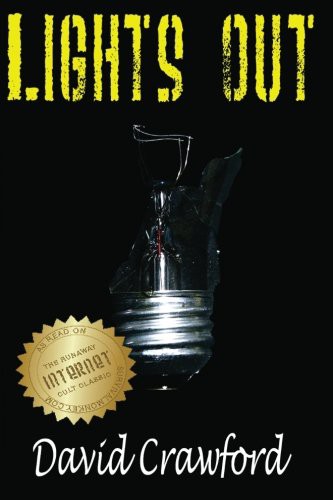
This cult survival novel drops a Texas family into total grid failure and then follows the cascading fallout: no communications, no reliable transport, no easy resupply, and no guarantee that institutions will recover in time to matter. It is rough around the edges, but it is very good at making everyday fragility feel immediate.
I keep this high on the list because if your favorite part of One Second After was that sickening sense of modern dependence being exposed all at once, Lights Out delivers that hard. It leans more openly into prepper competence and less into moral debate, but the practical-collapse pressure is dead on.
Going Home by A. American
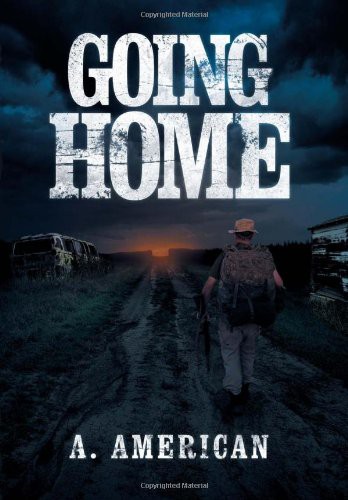
When the grid goes dark, Morgan Carter is stranded far from home and forced into a brutal trek back to his family with only his gear, fieldcraft, and willingness to adapt. The novel is blunt, fast, and very much built around survival competence under stress.
This is a good recommendation when someone liked the “how would you actually move through this world?” side of One Second After. It is more bug-out than bunker, more motion than town governance, but it shares the same fascination with preparedness, scarcity, and how quickly comfort turns theoretical.
Warday by Whitley Strieber and James Kunetka
Presented like a reported journey through the United States years after a limited nuclear exchange, Warday maps damaged regions, improvised governments, broken infrastructure, and uneven recovery. It reads like documentary fiction, which makes the damage feel uncomfortably administrative as well as physical.
I especially like recommending this after One Second After to readers who want less firefight energy and more systems thinking. If Forstchen’s novel made you obsess over supply chains, hospitals, transportation, and state capacity, Warday pushes deeper into exactly that kind of aftermath.
After the EMP: The Darkness Trilogy by Harley Tate

This trilogy stays firmly in the hard-survival EMP lane: local power struggles, roaming threats, leadership under pressure, and communities trying to hold shape while normal authority evaporates. It is grim, direct, and more interested in fracture than comfort.
I would reach for this one if you want the harsher version of what One Second After is doing. It keeps the same broad fear of grid-down collapse, but turns the dial further toward social violence, distrust, and the awful math of protecting your own people first.
Edge of Collapse by Kyla Stone

A solar flare wrecks the grid, a woman escapes captivity into a freezing wilderness, and the novel runs hard from there. Edge of Collapse is stripped-back modern survival thriller territory: fast chapters, constant movement, and just enough plausibility to keep the scenario nasty.
This is one I recommend when the appeal of One Second After is less “town council under pressure” and more “show me the immediate danger.” It is lighter on civic texture, sure, but strong on momentum and on the feeling that once the lights go out, safety gets very local very quickly.
Lucifer’s Hammer by Larry Niven and Jerry Pournelle

This time the trigger is a comet strike rather than an EMP, but the reason it belongs here is scale. The novel moves through panic, fragmentation, failed infrastructure, improvised enclaves, and the brutal hierarchy-building that follows a civilization-level shock.
I include it because some One Second After readers are really responding to the systems-collapse canvas rather than the specific mechanism. If that is you, Lucifer’s Hammer goes bigger, stranger, and more old-school, while still delivering that same “the rules just broke everywhere at once” sensation.
Final Thoughts
The closest pure companion is still Alas, Babylon. The best grid-failure adrenaline hit is Lights Out. And if what you liked most about One Second After was not the EMP itself but the terrifying dependency web underneath modern life, Warday is the sleeper recommendation I would not skip.
If you want to stay in this corner of the genre after that, head next to EMP Books for more pulse-and-grid collapse fiction, or The Best Books About Nuclear War if you want stories with bigger geopolitical fallout.