Draft: The 15 Best Pandemic Books
Pandemic fiction hits a specific nerve. It is not just about people getting sick. It is about routines going brittle, trust thinning out, governments improvising badly, and whole societies discovering which parts of themselves were ornamental. When I go looking for the best pandemic books or books about pandemics, I usually want one of three things: outbreak panic, the eerie quiet after the worst has passed, or a story that uses plague and population collapse to ask stranger moral questions.
This list leans into all three. If you’re looking for pandemic novels, plague fiction, quarantine stories, or longer post-collapse reads where disease is the event that bends history out of shape, these are the titles I’d start with first.
Which Kind of Pandemic Book Do You Want?
- If you want outbreak panic and quarantine cruelty, start with Blindness, then branch toward The Stand or Paul Tremblay’s Survivor Song.
- If you want quieter aftermath fiction, the cleanest lane is Station Eleven, Earth Abides, and The Dog Stars.
- If you want biotech or engineered-plague fiction, go straight to Oryx and Crake, The Passage, and MaddAddam.
- If you want older or stranger plague novels, The Last Man, The Day of the Triffids, and Albert Camus’s The Plague are the most interesting side roads.
Where to Start
If you want the sharpest social-breakdown novel here, start with Blindness. If you want something sadder, more graceful, and surprisingly hopeful, start with Station Eleven. And if you want the huge road-trip-through-the-end-of-the-world version of pandemic fiction, The Stand is still the obvious heavyweight.
> Ryan's quick-start favorites
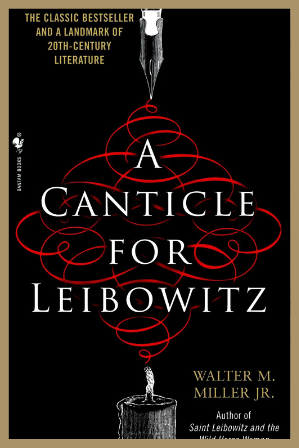
Blindness
For quarantine panic, moral collapse, and one of the nastiest social allegories in the genre.
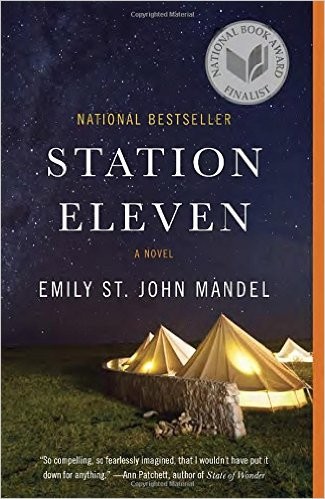
Station Eleven
For art, memory, and the quieter emotional afterlife of a pandemic.
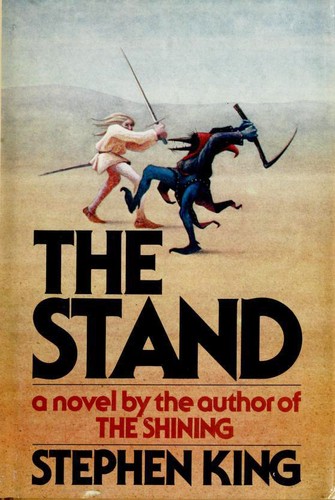
The Stand
For the sprawling super-flu epic when you want apocalypse at national scale.
What I Mean by Pandemic Books
I’m using the category a little broadly on purpose. Some of these books are about the outbreak itself. Some happen years later, when disease has already done its work and the real subject is whatever kind of society grows in the ruins. A few are pandemic-adjacent rather than medically literal, but they still belong in the same reading conversation because they deal with mass depopulation, contagion logic, quarantine thinking, or the long demographic shadow left by catastrophe.
That broader definition makes this list more useful. If all you want is coughing, chaos, and emergency-room panic, plenty of pages can give you that. I’m more interested in the books that do something memorable with the scenario once the panic starts mutating into politics, ritual, memory, scavenging, belief, or reinvention. That is why a book like Children of Men belongs here even without a literal virus, and why Atwood’s biotech plague novels matter as much as the more straightforward outbreak books.
Blindness by Jose Saramago
Saramago’s plague novel is still one of the ugliest, smartest, and most unforgettable books in this lane. An unexplained epidemic of blindness sweeps through an unnamed city, quarantine turns feral almost immediately, and the novel keeps asking how much “civilization” was ever really there in the first place.
This is the book I reach for first when someone wants pandemic fiction that feels intimate rather than cinematic. It is brutal, unsentimental, and very deliberately claustrophobic. If you want one novel here that makes social order feel frighteningly thin, this is it.
Station Eleven by Emily St. John Mandel
If The Stand represents the loud, sprawling end of the pandemic spectrum, Station Eleven sits at the quieter and more reflective end, asking what survives culturally once the hospitals are gone and the roads have emptied out. Mandel moves between the collapse itself and a troupe of actors and musicians traveling through the aftermath years later.
What I like about it most is its refusal to treat the pandemic purely as spectacle. This is a book about memory, performance, beauty, and the weird stubbornness of art. It is one of the best pandemic novels to hand someone who does not usually think of themselves as an apocalypse reader.
The Stand by Stephen King
King’s great super-flu epic remains the blockbuster version of pandemic fiction: a weaponized strain of influenza escapes containment, civilization tears apart, and a ragged band of survivors begins crossing the ruined United States toward a final moral showdown. It is huge, baggy, excessive, and still completely central to the subgenre.
I would not call it the cleanest or most elegant book on this page, but I would absolutely call it one of the most important. If The Stand is the book that sent you looking for more plague fiction in the first place, the obvious next stop after this guide is 5 Epic Books Like “The Stand” by Stephen King.
Earth Abides by George R. Stewart
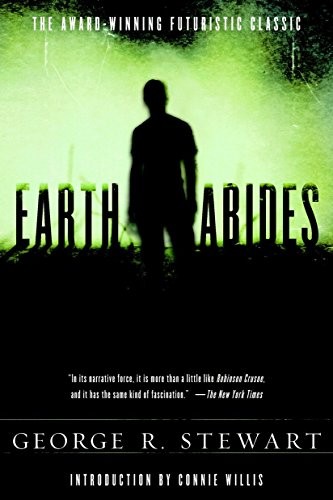
One of the foundational post-pandemic classics, Earth Abides follows an ecologist watching humanity disappear and the world quietly start rearranging itself in our absence. It is less interested in the first blast of panic than in the long, slow question of what kind of species humans actually are once institutions, cities, and inherited habits lose their grip.
I keep this high on the list because it gives pandemic fiction a bigger timescale than most modern outbreak novels. It is patient, thoughtful, and more anthropological than thrilling. If you want aftermath rather than adrenaline, this is one of the best books here.
Oryx and Crake by Margaret Atwood

Atwood’s novel moves between the biotech arrogance that creates catastrophe and the strange post-collapse world left behind. Genetic engineering, designer pharmaceuticals, species splicing, and corporate vanity all feed into a pandemic that feels less like bad luck and more like the logical endpoint of a certain kind of modern cleverness.
It earns its place here because it widens the idea of a pandemic book beyond medical realism. This is plague fiction entangled with satire, ecology, and corporate culture. If your taste runs toward the biotech and environmental edge of the genre, it pairs especially well with The 13 Best Climate Fiction Books.
The Year of the Flood by Margaret Atwood
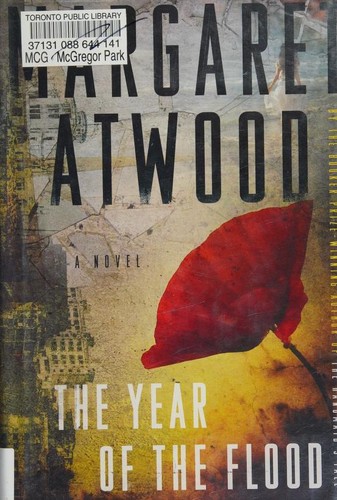
This companion to Oryx and Crake tells the same wider catastrophe from a different social angle, following God’s Gardeners and other survivors as belief, improvisation, and practical adaptation suddenly matter more than old status markers. It is one of the better examples of pandemic fiction treating community as more than background scenery.
I like it because it is less icy than Oryx and Crake and more grounded in ordinary habits of survival. If the first book gives you the satirical top-down picture, this one gives you the street-level texture of what people actually do while the world is failing.
The Dog Stars by Peter Heller
Heller’s novel takes place after a flu pandemic has already burned through civilization. Its protagonist lives in an abandoned airport, flying a tiny plane, scavenging for supplies, and trying to decide whether hope is still practical or just dangerous. The story is stripped down, lonely, and unexpectedly lyrical.
I like recommending this when someone wants pandemic fiction without the theatrical scale of The Stand. It is quieter, more intimate, and more interested in grief, weather, and private endurance than in plot fireworks. The atmosphere does a lot of the work here.
The Children of Men by P.D. James
Strictly speaking, this is a fertility-collapse novel rather than a pathogen novel, but I still think it belongs on pandemic shelves because it runs on the same emotional machinery: sudden demographic terror, social decay, state control, and the realization that humanity’s future can simply stop arriving. P.D. James turns that premise into something bleak, elegant, and politically sharp.
This is one of the most distinctive books on the page because the apocalypse unfolds through absence rather than visible infection. No hordes, no fever montages, no emergency wards. Just a world discovering that it has run out of descendants. I often suggest it to readers who say they want books about pandemics but really mean they want books about demographic dread, government creep, and social exhaustion.
The Day of the Triffids by John Wyndham
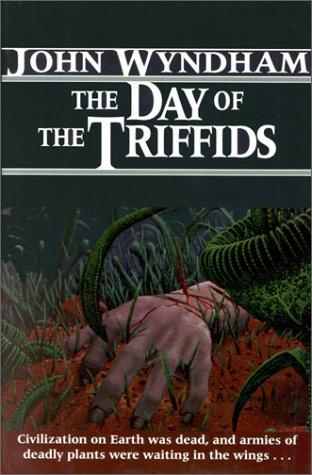
Wyndham’s classic disaster novel is technically doing two things at once: a mass blinding event cripples civilization, and mobile carnivorous plants take advantage of the chaos. That sounds pulpy, because it is, but the book also understands something important about pandemic-adjacent fiction: once enough people are disabled or disoriented at once, even ordinary systems become fatally brittle.
I keep it here because it is one of the cleanest bridges between social-collapse seriousness and genre fun. It is brisk, readable, and much better than the premise makes it sound to modern ears.
The Last Man by Mary Shelley
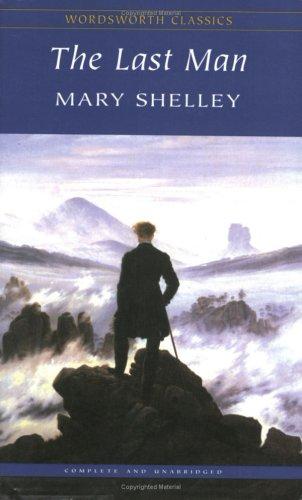
Published in 1826, The Last Man remains one of the earliest and strangest plague-apocalypse novels in the tradition. Shelley imagines a future world devastated by disease, but the book still feels haunted by the anxieties of her own century: cholera, loss, political disappointment, and the Romantic habit of turning catastrophe into melancholy grandeur.
It is not the tidiest book on this list, but it is one of the most historically interesting. If you want to read pandemic fiction near its roots, start here, and then jump to 5 Free Classic Post Apocalyptic Novels for more early end-of-the-world reading.
The Passage by Justin Cronin
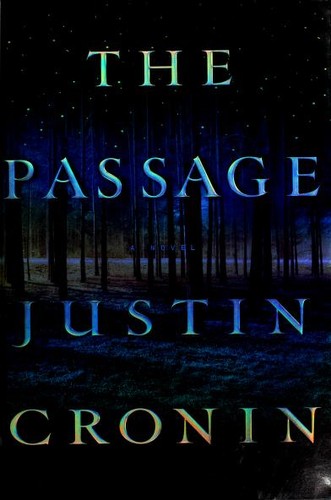
Cronin’s giant outbreak saga starts with a government experiment and widens into a long-range collapse epic populated by virals, survivors, fortified settlements, and a world that feels more mythic the longer it lasts. It is part pandemic novel, part monster novel, and part post-apocalyptic road chronicle.
What makes it worth keeping on a pandemic list is scope. If you want one book here that gives you the sense of an engineered disease remaking history itself, this is probably the one. It asks for patience, but it pays that patience back with atmosphere and ambition.
MaddAddam by Margaret Atwood
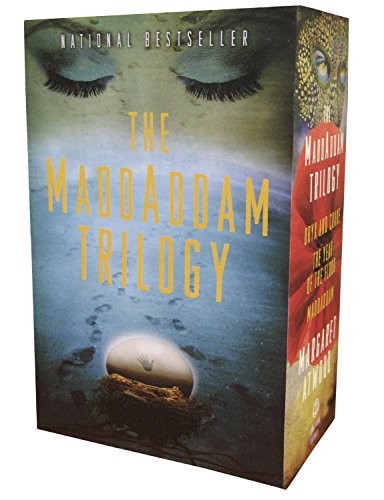
The final volume of Atwood’s trilogy earns its place because it shifts the focus from collapse to coexistence, memory, and the messy beginnings of social rebuilding. Once the engineered plague has done its work, the question becomes what kinds of stories, communities, and compromises are possible in the world left behind.
I would not start the trilogy here, but I do think it deserves a spot on the page because it gives pandemic fiction something many outbreak novels avoid: a serious interest in aftermath culture rather than just aftermath logistics.
Eternity Road by Jack McDevitt
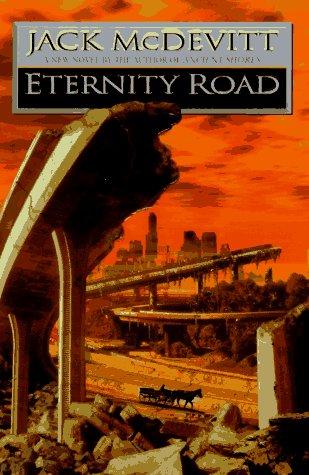
Set many centuries after a plague erased industrial civilization, Eternity Road follows people who know the modern world only as rumor, ruins, and half-understood relic. That makes it a pandemic novel with a surprisingly archaeological flavor. The plague matters, but mostly as the ancient event that created a new mythic landscape.
I like including it because it stretches the genre outward. Most pandemic books stay near Year Zero. This one asks what disease looks like once it has passed fully into legend and all that remains are stories, roads, and broken machines.
Things We Didn’t See Coming by Steven Amsterdam
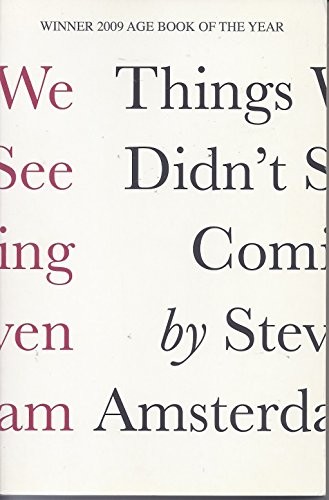
Amsterdam’s novel works as a sequence of linked stories that move from near-future unease toward broader civilizational unraveling. Disease is not the only pressure on the system, but it is one of the recurring forces that keeps making the world smaller, harsher, and more provisional.
I keep it here because it feels unusually modern in temperament. It is less interested in a single neat apocalypse premise than in the cumulative effect of repeated shocks, which makes it a good fit for readers who prefer slow-burn instability to one clean catastrophe.
Zone One by Colson Whitehead
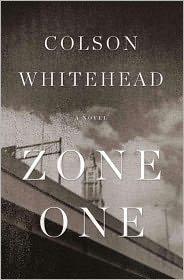
Whitehead’s novel follows post-outbreak cleanup crews in Manhattan as they clear remaining zombies and drift through a city defined by memory, bureaucracy, and exhausted repetition. The disease event is technically a zombie plague, but the book’s real subject is aftermath psychology: what it feels like to keep performing normality after history has been broken.
I like ending with this one because it shows how elastic pandemic fiction can be. If Blindness is panic and The Stand is scale, Zone One is aftershock. And if this is the flavor you want more of, go straight on to The 21 Best Zombie Books.
Three Good Off-List Directions
- Severance by Ling Ma: the office-work, routine-collapse, late-capitalist branch of pandemic fiction. If what interests you is not heroic survival but the weirdness of people continuing habits after meaning has drained out of them, this is the one.
- The Plague by Albert Camus: less apocalypse, more quarantine philosophy. It is still one of the cleanest books to read if you want moral pressure, civic duty, and the psychology of an enclosed city.
- The Andromeda Strain by Michael Crichton: for readers who want the systems-and-containment side of the scenario rather than the long post-collapse aftermath.