Books About EMP: 9 Essential Electromagnetic Pulse and Grid-Down Novels
Ash Tales
What would you do if the power went out and never came back on?
That question is still the right way into EMP fiction, but I think readers usually want something a little more specific than the old version of this guide suggested. Most people searching for EMP books are really after one of three things: a realistic grid-down survival novel, a community-level collapse story about logistics and leadership, or a harder-edged prepper thriller about what happens when institutions fail faster than people do.
That difference matters, because “EMP books” is not one clean shelf. Some novels are literal electromagnetic-pulse stories about the grid going dark in a single second. Some are adjacent systems-collapse books that hit the same nerves through nuclear war, solar flare, or cascading infrastructure failure. The best recommendations are the ones that tell you which lane each book actually lives in.
When I think back to the EMP novels that stick with me, they are almost never memorable because of the pulse itself. They work because they understand the ugly practical chain reaction that follows: refrigeration, insulin, traffic control, hospitals, water treatment, radios, fuel, food, and finally trust. Good EMP fiction is really logistics fiction under stress.
If you arrived here looking for practical EMP survival manuals, this page is not trying to impersonate one. This is a fiction-first guide: novels and a few close-adjacent collapse books chosen for the reading experience they offer, not for whether they double as a shopping list.
Best EMP Books at a Glance
- Closest pure EMP novel: One Second After
- Best for town-level logistics and civic strain: Alas, Babylon
- Best for hands-on household collapse texture: Lights Out
- Best for bug-out momentum: Going Home
- Best for a darker modern series: After the EMP: The Darkness Trilogy
- Best for fast thriller propulsion: Edge of Collapse
- Best for prepper ideology and fortified-retreat fiction: Patriots
- Best for infrastructure-reportage and uneven recovery: Warday
> Ryan's quick-start picks

One Second After
Start here if you want the clearest, most canonical modern EMP novel.

Alas, Babylon
Start here if what you really want is practical shortages, local competence, and civic strain.

Edge of Collapse
Start here if you want a faster, colder grid-down thriller without the older prepper-novel stiffness.
How I’m Using the Term “EMP Books”
The best EMP books usually fall into three subtypes.
- Direct EMP strike novels: books like One Second After and Lights Out where the electromagnetic pulse is the explicit trigger and the story stays close to the first weeks of darkness.
- Grid-down survival thrillers: books like Going Home and Edge of Collapse where the exact mechanism matters less than the practical problem of getting home, protecting family, and improvising under pressure.
- Adjacent infrastructure-collapse fiction: books like Alas, Babylon and Warday that are not pure EMP novels, but absolutely belong in the conversation if what you really want is believable systems failure, rationing, civic strain, and the slow rebuilding of order.
If you want the closest pure EMP novel, start with One Second After. If you want the best book about small-town collapse and improvised competence, read Alas, Babylon even though its trigger is nuclear war rather than a pulse. And if you want modern, fast-moving survival momentum, Edge of Collapse is the slickest recent entry in the lane.
1. One Second After by William R. Forstchen
If you only read one book from this list, this is the obvious place to begin. It is still the defining modern EMP novel: a small American town, a sudden national blackout, and the horrifying realization that once power, transport, refrigeration, and medicine fail together, normal life does not gradually deteriorate. It snaps.
What Forstchen does well is scale. He keeps the story close enough to John Matherson and Black Mountain, North Carolina that the crisis feels intimate, but wide enough that you can see the whole systems-collapse machine breaking in the background. Hospitals become triage sites. Scarcity turns ethical. Local leadership stops feeling abstract.
It is not subtle fiction, and I would not pretend otherwise. But if your real question is “which novel best captures the specific fear behind EMP prepper fiction?” this is the book that keeps earning the recommendation.
If this is the book that sent you searching for more, the best follow-on is Books Like One Second After, which narrows in on the same flavor more precisely than a broad EMP list can.
2. Alas, Babylon by Pat Frank
Strictly speaking, this is a nuclear-war novel rather than a literal EMP novel. In practice, it belongs here because it captures the reading experience many EMP readers are actually chasing: a local community cut off from the larger system, suddenly forced to ration food, rethink security, manage medicine, and rediscover what useful people look like.
What makes Alas, Babylon endure is that it understands apocalypse as logistics rather than spectacle. Randy Bragg is not surviving because he is the coolest man in the room. He survives because the novel pays attention to water, food, skill, leadership, and social trust.
If your favorite part of this whole subgenre is the moment when normal suburban life abruptly becomes a civic engineering problem, read this as early as possible. And if Pat Frank is the part of this page that lights you up, Books Like Alas, Babylon is the natural next stop.
3. Lights Out by David Crawford
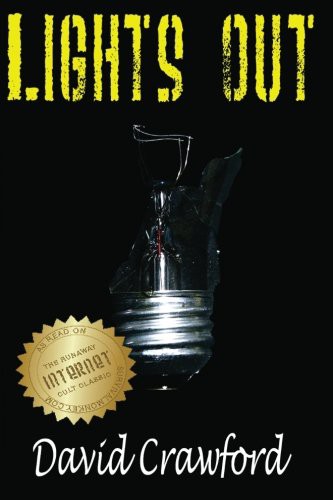
Lights Out is rougher, more homemade, and a little more openly prepper-minded than One Second After, but that is also part of why it works. David Crawford is excellent at making modern dependency feel fragile. In this book, the disappearance of electricity is not just a cool scenario hook. It is the beginning of a brutal inventory of what ordinary households do not know how to replace.
This is the recommendation I reach for when someone wants more hands-on collapse texture: communications failing, households improvising, neighborhoods turning uncertain, and competence becoming its own form of currency. The prose is not as polished as the best literary apocalypse fiction, but the pressure feels immediate.
If One Second After is the canonical community-collapse EMP novel, Lights Out is one of the canonical “how long could you really cope?” novels.
4. Going Home by A. American
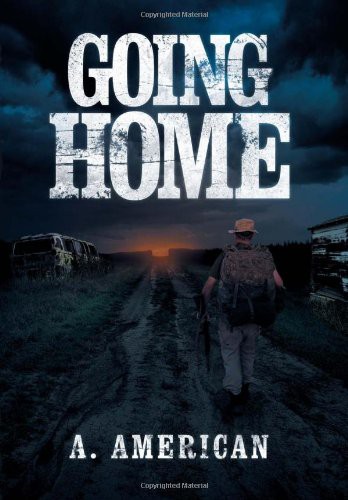
This one lives in the bug-out lane. Morgan Carter is stranded far from home when the grid fails, and the novel gets a lot of mileage from the simple, highly effective question at its center: how do you cross a dangerous, destabilizing country when your first and only objective is getting back to your family?
I recommend Going Home to readers who liked the preparedness fantasy element of One Second After more than the town-governance side. It is more movement-driven, more gear-conscious, and more openly competency-focused. The pleasures are different: not so much “how does a community hold?” as “how does one capable person keep moving through a world that is degrading by the hour?”
If you want the most portable, momentum-heavy version of EMP survival fiction, this is it.
5. After the EMP: The Darkness Trilogy by Harley Tate

Harley Tate’s trilogy is a good recommendation for readers who want their EMP fiction harsher and less sentimental. The focus here is on fracture: local power struggles, fear, opportunism, exhausted leadership, and the grim arithmetic of deciding who gets protected when there is not enough safety to go around.
What I like about this pick is that it expands the list beyond the standard two or three titles that show up everywhere else. It still scratches the same EMP itch, but it gives you a more modern series structure and a darker emotional register than the older classics.
If One Second After felt a touch too civically hopeful for your taste, this is a smart next move.
6. Edge of Collapse by Kyla Stone
This one swaps a weaponized pulse for a solar flare, but the reading experience is close enough that I would absolutely keep it in an EMP recommendation list. The key pleasures are familiar: the grid is gone, the cold is coming, institutions are unreliable, and survival gets personal very quickly.
Kyla Stone writes with much more thriller propulsion than the older books on this list. Short chapters, constant forward motion, and immediate physical jeopardy make Edge of Collapse the easiest recommendation here for readers who want page-turning momentum more than policy, community, or systems analysis.
That makes it a useful bridge title. If classic EMP fiction feels too didactic or too rooted in prepper culture, Edge of Collapse is often the cleaner on-ramp.
7. Patriots: A Novel of Survival in the Coming Collapse by James Wesley Rawles

Patriots is less a polished novel than a foundational text in the prepper-collapse corner of the genre. The collapse mechanism is broader than a single EMP strike, but the reason the book matters in this context is that it helped define the survivalist reading lane that EMP fiction often overlaps with.
I would not give this to someone looking for literary apocalypse fiction. I would give it to someone who specifically wants fortified retreats, supply-minded planning, ideological self-reliance, and a worldview in which collapse is not just endured but anticipated. That is a narrower appeal, but it is very much part of the EMP-books ecosystem.
So this is the caveat recommendation on the list: not the best-written book here, but one of the more genre-defining if you want to understand why so much EMP fiction sounds the way it does.
8. Warday by Whitley Strieber and James Kunetka
Again, not a literal EMP novel. But if your fascination is really with infrastructure shock, uneven recovery, regional damage, political fragmentation, and the weirdly administrative side of national catastrophe, Warday is too useful to leave out.
The pseudo-reportage approach is what makes it distinctive. Instead of giving you a single hero fighting through chaos, it reads like a damaged travelogue through a transformed America. That lets it do something many EMP novels cannot: show how collapse looks different depending on geography, institutions, class, and what parts of the state still function.
I recommend this one to readers who finish the more action-driven books and realize the part they loved most was not firefights or bug-out bags. It was systems thinking.
One Original Side Road Worth Keeping
The older version of this guide had a soft spot for Aftermath by Charles Sheffield, and I do not want to lose that completely. It is weirder than the more canonical EMP picks here, because the trigger is cosmic rather than military, but that is part of its value. If you have already read the usual grid-down staples and want one more scientist-minded collapse novel that keeps thinking about infrastructure instead of only tactics, it is still a worthwhile detour.
Final thoughts
If you want the pure EMP essential, read One Second After first. If you want the strongest book on everyday collapse mechanics, read Alas, Babylon. If you want a faster modern thriller, read Edge of Collapse. And if you want to understand the prepper strain that shapes so much of this microgenre, make time for Lights Out and Patriots even if neither is elegant prose.
The main thing I would not do is treat all of these books as interchangeable. EMP fiction is a small shelf, but it contains very different moods: civic collapse, tactical survival, ideological preparedness, and broader infrastructure-failure fiction. Knowing which version you want is the difference between finding your next obsession and ending up with a book that technically fits the premise but misses the feeling.
If you want to stay in this lane, go next to Books Like One Second After for closer read-alikes, SHTF Books for the wider preparedness-fiction shelf, The Best Books About Nuclear War for the bigger geopolitical branch of the topic, or the wider post-apocalyptic fiction guide if you want to zoom back out.