Books Like I Am Legend: 7 Plague and Monster Apocalypse Books
The Best Vampire Apocalypse Books
Richard Matheson’s I Am Legend has been adapted so often that it is easy to remember the broad premise and forget what makes the novel itself so sharp. Robert Neville is alone in a plague-altered Los Angeles. He barricades himself at night, hunts the infected by day, drinks too much, and tries to turn folklore into biology. That sounds like a standard last-man monster story. It is not.
The book’s real power comes from loneliness, scientific obsession, routine, and the gradual collapse of Neville’s certainty that he represents normal humanity. The infected are not merely enemies at the gate. They are the emerging society, and the title becomes a judgment on the man who has spent the novel assuming the world still belongs to him.
So these recommendations are not simply seven vampire novels. They match different parts of Matheson’s achievement: plague-made monsters, isolated survivors, attempts to understand infection, literary aftermath, and stories that destabilize the line between human and inhuman.
One important note: this list follows the novel, not any single film adaptation. If your main reference point is Will Smith and the abandoned city, some of these will be quieter, stranger, and much less interested in action than you expect.
Best Books Like I Am Legend at a Glance
- Closest modern thematic match: The Girl With All the Gifts
- Best for an epic viral-vampire apocalypse: The Passage
- Best for another foundational last-survivor plague novel: The Last Man
- Best for literary monster-apocalypse aftershock: Zone One
- Best for a lonely road through the zombie aftermath: The Reapers Are the Angels
- Best for fast outbreak horror and transformed minds: Cell
- Best for seeing humanity from the monster’s side: Warm Bodies
> Ryan's quick-start picks
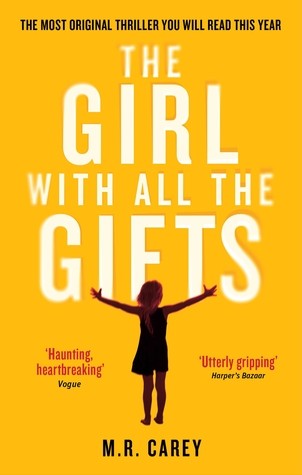
The Girl with All the Gifts
Start here for the strongest modern echo of Matheson's interest in infection, intelligence, scientific explanation, and a new species inheriting the world.
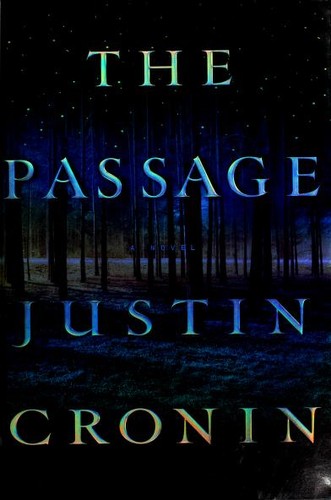
The Passage
Start here when you want Matheson's viral-vampire premise expanded into a huge outbreak and survivor epic.
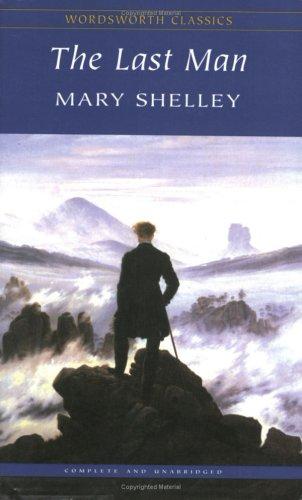
The Last Man
Start here for another early, melancholy plague novel built around the emotional and philosophical weight of being left behind.
The Girl With All the Gifts by M. R. Carey
Melanie is intelligent, observant, affectionate, and infected. She is also held in a military research facility where adults study children like her in the hope of saving the human world. When that protected environment fails, the story moves through a fungal apocalypse whose future depends on how its characters define cure, personhood, and succession.
The link to I Am Legend runs deeper than monsters created by disease. Carey also asks whether the old human population has the moral right to prevent a new form of life from inheriting the planet. Science provides explanation but not an easy ethical answer. The people classified as monsters keep demonstrating minds, relationships, and futures of their own.
If Matheson’s ending is the reason you are here, start with this book.
The Passage by Justin Cronin
A government experiment produces a viral catastrophe and creates predatory beings that combine vampire mythology with infection logic. Cronin follows the outbreak, its immediate human damage, and the fortified communities living in the world it creates much later.
This is what happens when Matheson’s compact premise expands into an enormous American epic. You still get scientific investigation, nocturnal predators, contagion, and the possibility that the transformed are developing structures beyond simple hunger. You also get a huge cast, military conspiracy, settlement politics, and a historical scale that I Am Legend deliberately avoids.
Choose it when you want the vampire plague more than the solitary-house intensity. It asks for far more time, but it pays that time back with scope.
The Last Man by Mary Shelley
Published in 1826, Mary Shelley’s plague apocalypse follows Lionel Verney through political hope, friendship, mass death, and the long reduction of human society toward solitude. It is expansive, Romantic, and openly mournful in a way Matheson’s lean modern horror rarely permits itself to be.
The books meet in the unbearable ordinariness of continuing after almost everyone else is gone. Both protagonists become archivists of vanished humanity simply by remaining alive. The landscape grows quieter while memory becomes heavier, and survival starts looking less like triumph than an obligation nobody asked for.
This is not a quick read, but it is a valuable ancestor. Read it when Neville’s loneliness mattered more than the vampires.
Zone One by Colson Whitehead
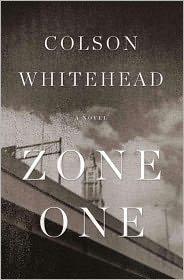
Mark Spitz works with a cleanup crew clearing infected holdouts from Manhattan after the worst of a zombie outbreak. The official project is recovery, but the city remains saturated with repetition, trauma, consumer memory, and the suspicion that normal life has become another performance.
Whitehead shares Matheson’s interest in the psychology of routine after catastrophe. Neville maintains his house, experiments, drinks, and hunts because schedule protects him from the scale of his isolation. Mark Spitz clears rooms and follows procedure for much the same reason. Both men are ordinary in ways that make the ruined world feel more unsettling.
This is a literary rather than structural match. It is cooler, more ironic, and more urban, but it understands that monster apocalypse is often most haunting after panic becomes a job.
The Reapers Are the Angels by Alden Bell
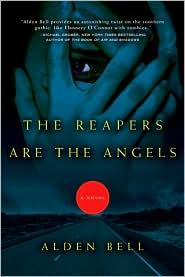
Temple has grown up in a world of zombies and moves through the American South with survival instincts so practiced they have become a kind of private philosophy. The novel is violent, lyrical, and interested in beauty appearing where civilization no longer has language for it.
The match is isolation without complete emotional numbness. Neville believes solitude has made him self-sufficient, but his habits keep exposing the need for contact underneath. Temple is more capable and less self-deceiving, yet every encounter forces the same calculation: whether another person offers connection, danger, or both.
Read this when you want Matheson’s lonely monster world opened into a road novel without losing the literary weight.
Cell by Stephen King
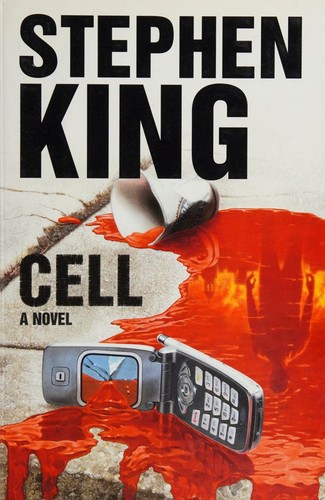
A signal sent through mobile phones transforms users into violent, increasingly coordinated beings. The first movement is pure urban collapse; the later story becomes stranger as the changed population develops collective abilities and a social logic the survivors do not understand.
Like Matheson, King begins with humans apparently reduced to monsters and gradually complicates the category. Scientific answers remain partial. The transformed are not returning to old humanity, but neither are they merely mindless. Something new is assembling itself while the protagonists remain committed to the previous world’s definitions.
This is the fastest book on the list. It lacks I Am Legend’s precision, but it delivers the outbreak panic, altered humans, and fear of becoming obsolete with considerable momentum.
Warm Bodies by Isaac Marion
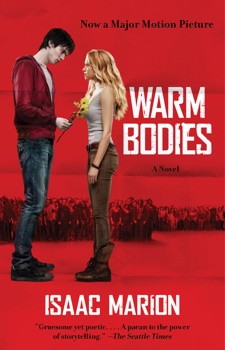
This is the tonal outlier, and deliberately so. Marion tells his zombie story from the perspective of R, an infected young man whose interior life complicates everything the surviving humans believe about the dead. Contact, memory, and love begin changing the boundaries of his condition.
Matheson’s great reversal happens at the end: Neville discovers that he has become the legendary monster haunting a new society. Warm Bodies starts inside the monster’s consciousness and lets that alternative viewpoint reshape the world from page one. It is warmer, more romantic, and far more optimistic, but it follows the ethical implication of Matheson’s ending further than many darker imitations do.
Read it if the question “Who is the monster now?” mattered more than the siege.
Where I Would Send Different I Am Legend Readers Next
- If you want the closest modern thematic follow-up, read The Girl With All the Gifts.
- If you want a giant viral-vampire saga, read The Passage.
- If you want plague loneliness in its earlier literary form, read The Last Man.
- If you want urban literary aftershock, read Zone One.
- If you want a lonely, lyrical zombie road novel, read The Reapers Are the Angels.
- If you want outbreak speed and transformed collective minds, read Cell.
- If you want the monster’s perspective and more hope, read Warm Bodies.
If you want more Matheson before leaving, continue with quotes from I Am Legend. For the wider subgenre, head to vampire apocalypse books or the best zombie books.