Books Like Fallout: 6 Wasteland Reads for Vault-Dwellers and Bottle-Cap Economists
If what you love about Fallout is the mix of ruined highways, improvised settlements, dark humor, and “well, I guess I run this town now” chaos, I absolutely get it. I’ve read a lot of post-nuclear and post-collapse fiction, and these are the books I reach for when someone wants that same scavenger-survival energy with moral messiness baked in.
A Canticle for Leibowitz by Walter M. Miller Jr.

Set centuries after nuclear war, this classic follows a monastic order in the desert as they preserve scraps of scientific knowledge from the old world. The novel jumps across eras, showing civilization painfully rebuilding, forgetting, then repeating old mistakes. It is part satire, part warning, and still feels eerily modern.
I picked this first because it nails one of Fallout’s core vibes: people making culture out of radioactive leftovers. If you enjoy retro-futurist ruins, relic worship, and the tragic comedy of humanity trying to reboot itself, this is basically high-octane Fallout DNA in literary form.
Metro 2033 by Dmitry Glukhovsky

After nuclear war, the survivors of Moscow live in the metro tunnels, where each station has become its own tiny faction with politics, propaganda, and paranoia. Artyom travels through this underground maze while rumors of deadly new threats spread through the system. The atmosphere is claustrophobic, bleak, and relentlessly survival-focused.
This is here for the same reason people lose weekends wandering the wasteland in Fallout: factions, scavenging, radiation fear, and moral gray choices everywhere. It has that same “danger around every corner, but politics might kill you first” feel, just swapped from open wasteland to tunnel nightmare.
Swan Song by Robert R. McCammon
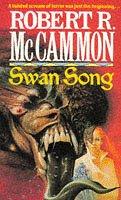
Nuclear war devastates the United States, and a wide cast of survivors crosses a shattered landscape filled with violence, scarcity, and strange new dangers. The novel mixes gritty survival with a mythic good-versus-evil thread as different groups try to shape what comes next. It is long, wild, and unafraid to get gnarly.
I chose this because it delivers big wasteland road-trip energy with factions and power struggles, very much in Fallout territory. If you like your post-apocalypse expansive, brutal, and full of weird encounters that can turn on a dime, this scratches that same itch hard.
The Postman by David Brin
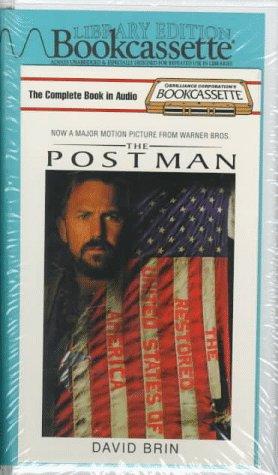
In a fractured post-collapse America, a drifter puts on a dead postal worker’s uniform for shelter and accidentally becomes the symbol of a rebuilding nation. What starts as a small lie snowballs into a fragile movement of communication, cooperation, and resistance. It is equal parts survival story and argument for civic myth-making.
This one feels like a Fallout side quest that unexpectedly becomes the main story. It has roaming survivor communities, regional power centers, and that same question Fallout keeps asking: can people build something better, or do we just repaint the old disasters in new colors?
Warday by Whitley Strieber and James Kunetka
Presented as a pseudo-journalistic travel account, the book imagines America five years after a limited nuclear exchange. The authors move through different states documenting economic collapse, political fragmentation, and uneven recovery. The result feels like reading a field report from a broken but still functioning civilization.
I included this because it captures the “what does daily life actually look like after the bombs?” realism that makes Fallout worldbuilding so compelling. It is less action-heavy, but the fragmented map, local power blocs, and lived-in ruin all map cleanly to the franchise’s best storytelling beats.
Alas, Babylon by Pat Frank

When nuclear war erupts, a small Florida town is cut off from modern infrastructure and has to relearn food security, medicine, local defense, and governance almost overnight. The story follows ordinary people making hard practical calls as systems fail around them. It is calm on the surface, but deeply tense underneath.
I picked this because if you like Fallout for the survival logistics and community-level rebuilding, this is one of the cleanest, smartest templates for that style of story. No mutants, no power armor, just the raw strategic problem-solving that sits underneath every great wasteland narrative.
If you want the closest tonal match to roaming a dangerous map with factions everywhere, start with Metro 2033 and Swan Song. If you want the social-rebuild side of Fallout (the settlement brain, basically), go The Postman and Alas, Babylon. And if you want the deeper “why do we keep doing this to ourselves” philosophical layer, A Canticle for Leibowitz is mandatory reading.