Books Like Brave New World - 6 Similar Reads
If you loved Brave New World for its creepy calm, its engineered pleasure, and that very polite flavor of societal horror, yeah, same. I’ve always found it more unsettling than louder dystopias because everyone in Huxley’s world is mostly smiling while the machinery of control hums away in the background. If you want more books that poke at conformity, identity, and what happens when “utopia” is just a prettier word for obedience, these are my go-to picks.
1984 by George Orwell
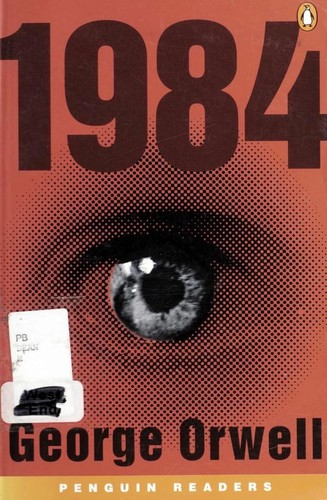
Orwell drops you into Oceania, where surveillance is total, language is weaponized, and even your private thoughts are fair game for punishment. Winston Smith tries to hang on to truth and selfhood in a system built to erase both, and it gets bleaker from there.
I always pair this with Brave New World because the control mechanism is flipped: Huxley pacifies people with pleasure, Orwell crushes them with fear. Reading them together is like seeing two ends of the same dystopian equation, and both are painfully relevant.
We by Yevgeny Zamyatin
In a glass-walled total state known as the One State, citizens are identified by numbers and live under strict rational order. The narrator, D-503, starts as a loyal believer and then spirals when he encounters desire, contradiction, and actual messy human emotion.
This one scratches the same itch as Brave New World because both books obsess over engineered social harmony and the fear of individuality. You can feel Zamyatin’s DNA all over later dystopias, and if you like seeing the roots of the genre, this is essential.
The Handmaid’s Tale by Margaret Atwood
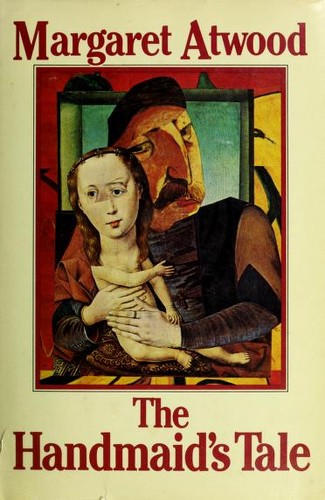
Atwood’s Gilead is a theocratic regime that reduces women to reproductive roles and strips them of names, autonomy, and legal personhood. Offred narrates life inside that system with a voice that’s sharp, observant, and quietly furious.
I recommend this to Brave New World readers because both novels treat human bodies as state-managed resources. Huxley uses biotech and conditioning, Atwood uses religion and law, but the core idea is the same: power reorganizes intimacy, family, and identity for its own ends.
Never Let Me Go by Kazuo Ishiguro

This starts like a quiet boarding-school memory novel, then slowly reveals a horrifying social arrangement built on biologically engineered lives. Kathy, Ruth, and Tommy grow up inside a system that has already decided their purpose.
What makes it such a great companion to Brave New World is the calm tone wrapped around profound ethical violence. Ishiguro never needs loud dystopian theatrics; like Huxley, he lets normality do the unsettling work.
Fahrenheit 451 by Ray Bradbury
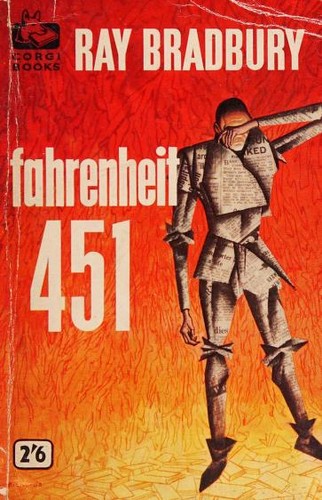
In Bradbury’s future, firemen burn books to keep society entertained, shallow, and friction-free. Guy Montag starts as a loyal enforcer, then begins to wake up to what his culture has traded away in exchange for comfort and distraction.
I like this next to Brave New World because both books ask what happens when entertainment becomes sedation. Different aesthetics, same warning: if a society loses its appetite for hard thought, control gets much easier.
Oryx and Crake by Margaret Atwood

Atwood blends corporate dystopia with bioengineering nightmare fuel, moving between a near-future world of genetic capitalism and a post-collapse aftermath. Snowman, one of the last surviving humans, looks back on the choices and technologies that got everyone here.
If Brave New World grabbed you for its biotech social design, this is a natural step. Atwood takes that anxiety and pushes it into late-capitalist science run amok, showing how engineered humanity can become both product and experiment.
If you’re in the mood for the classic canon, start with 1984 and We. If you want dystopia that feels emotionally intimate, go straight to Never Let Me Go. And if you want your Huxley-style social engineering with extra genetic chaos, Oryx and Crake is the one I’d hand you first.