Draft: 10 Best SHTF Books for Preppers, Survivalists, and Apocalypse Readers
Ash Tales
If by “SHTF books” you mean stories and manuals that actually help you think through collapse, not just generic end-of-the-world vibes, this is the shelf I would build first. I wanted a mix of books that do different jobs well: some pressure-test your imagination by showing how power, food, medicine, and public order can fail; others are the sort of practical references I would rather own than a fifth interchangeable collapse thriller.
The original Ash Tales version had one idea worth keeping: split the shelf between fiction and non-fiction. That still makes sense. The fiction helps you think through morale, scarcity, leadership, and bad decisions under stress. The manuals are where you go for medicine, fallout, shelter, water, and the boring but essential skills that most apocalypse stories skip.
> Ryan's quick-start shelf

One Second After
For the clearest modern grid-down chain-reaction novel.

Alas, Babylon
For the classic community-survival version of collapse.

Parable of the Sower
For the smartest social-breakdown novel on the shelf.
What makes a good SHTF book?
For this list, I weighted three things heavily. First, the scenario has to feel specific: grid failure, crop collapse, medical breakdown, radiation, urban disorder, something concrete. Second, the book needs to offer either believable logistics or a genuinely memorable reading experience; ideally both. Third, I wanted range. A shelf made entirely of macho bug-out fiction is just as narrow as a shelf made entirely of literary doom.
That is why the list mixes classic nuclear-era novels, modern prepper fiction, and practical survival manuals. If you mostly want fiction, start with the first five. If you actually mean “what should I keep on the shelf in case life gets rough?”, the back half is where the real utility starts.
1. One Second After by William R. Forstchen
Best for: readers who want the clearest “the grid just died, now what?” novel.
This is still the most on-intent SHTF novel on the list. An EMP attack wipes out modern infrastructure, and the story stays close to a small North Carolina town trying to survive without power, refrigeration, functioning hospitals, or reliable government. The book is good at the ugly chain reaction stuff that casual apocalypse fiction often softens: insulin runs out, food spoils, local authority gets improvised, and every small civic weakness suddenly matters.
I do not think it is the best-written novel here, but I do think it is one of the most useful fiction picks if your interest in SHTF books is logistical rather than purely atmospheric. This is the one I would hand to someone who says, “I want a collapse novel that actually thinks about second-order effects.” If you want even more of the grid-down lane after this, jump next to EMP books.
2. Alas, Babylon by Pat Frank
Best for: readers who want the classic community-survival version of collapse.
Even though the trigger is nuclear war, what makes Alas, Babylon so valuable for this topic is how grounded its aftermath feels. It cares about water, radios, rationing, medical shortages, security, and the slow, unglamorous work of holding a town together. It is less interested in giant set pieces than in whether ordinary people can stay decent and organized once the systems they rely on disappear.
That is exactly why it belongs on a SHTF list. A lot of prepper fiction focuses on lone-wolf competence. Alas, Babylon is stronger on the thing that actually matters longer term: community. It also pairs neatly with books like Alas, Babylon if you finish it and want more of the same mood.
3. The Death of Grass by John Christopher
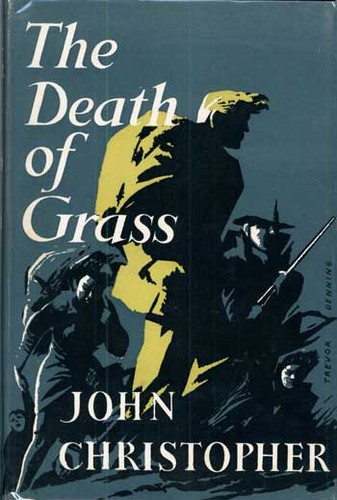
Best for: readers who want food-system collapse instead of another EMP repeat.
This is one of the harder, meaner books in the genre, and that is part of why I like it here. A blight wipes out the grasses that underpin human food supply, which means wheat, rice, barley, and order itself start going down together. Christopher does not waste much time romanticizing the fall. The social unraveling starts fast, and once the characters are on the road, the book becomes a bleak study in how quickly moral confidence erodes under pressure.
Most competing SHTF lists default to the same handful of American grid-down novels. The Death of Grass gives the page a different subtype and a sharper edge. If you want a book that makes collapse feel close, nasty, and materially driven, this is one of the most effective choices on the shelf.
4. Going Home by A. American
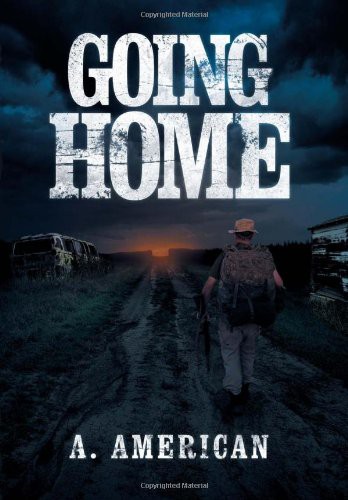
Best for: readers who want blunt, competency-driven prepper fiction.
This is not literary apocalypse fiction, and it is not trying to be. The appeal is much more direct: a man is stranded far from home when an EMP event knocks the country sideways, and the novel turns into a long, tactical, gear-conscious journey back through a suddenly hostile landscape. Calories, route choices, trust, water, and weapons all matter here in the way prepper-fiction readers usually want them to.
I am including it because sometimes specificity of lane matters more than polish. If someone asks me for “prepper fantasy, but competent prepper fantasy,” this is one of the first books I think of. It also adds a kind of reading experience the current Ash Tales page was missing: not just collapse as mood, but collapse as practical movement problem.
5. Parable of the Sower by Octavia E. Butler
Best for: readers who care as much about social breakdown as survival technique.
This is the smartest book on the list, and it earns its place even if you do not naturally think of it as “prepper fiction.” Butler gives you water scarcity, neighborhood walls, theft, fire, migration, and community formation in a near-future America where collapse feels less like one dramatic event and more like daily pressure turning the screws. That makes it a very useful counterweight to the more gear-centric books above.
I would not put this first for a reader who wants pure bug-out momentum. I would put it first for anyone who wants a serious answer to what long emergencies do to belief, leadership, and the ethics of mutual aid. If your version of SHTF includes social fragmentation and not just broken hardware, this book is essential. It also fits naturally alongside climate fiction books and the broader post-apocalyptic fiction guide.
6. SAS Survival Handbook by John “Lofty” Wiseman
Best for: a broad, all-purpose survival reference.
If you want one traditional survival manual that covers the basics well enough to justify permanent shelf space, this is the obvious choice. Shelter, fire, navigation, signaling, emergency first aid, water, climate-specific problems, and improvised tools all show up here in a usable, reference-friendly format. It is not glamorous, which is exactly the point.
I would not describe this as fun reading in the same way a novel is fun reading. I would describe it as the sort of book you want nearby before you need it. For a list about SHTF books, that matters more than hype.
7. Where There Is No Doctor by David Werner
Best for: the medical blind spot most survival shelves ignore.
Many SHTF reading lists spend pages on weapons, homesteads, and EMP fantasies, then barely touch the fact that ordinary illness and injury become much more dangerous when care systems fail. That is why this book belongs here. It is a practical community-health reference built for situations where professional medical support is limited or absent, and it covers sanitation, diagnosis, infection, childbirth, dehydration, and basic treatment in a grounded, readable way.
If I were building a real preparedness shelf, I would value this more than another slick collapse thriller. Fiction teaches pressure and mindset; books like this cover the boring realities that actually break people first.
8. Nuclear War Survival Skills by Cresson H. Kearny
Best for: readers who want specific fallout and shelter guidance instead of generalized fear.
This is the most scenario-specific non-fiction book here, and that is its strength. Rather than hand-waving about nuclear catastrophe, it gets into the nuts and bolts of fallout shelters, ventilation, water, improvised tools, and radiation-related survival measures. Even if you never agree with every recommendation, the book is far more concrete than the usual panic-driven material floating around this subject.
It also gives this page a sharper edge than “survival manual” as a generic category. If your SHTF interests tilt toward civil defense, fallout, or nuclear preparedness, read this alongside How to Survive a Nuclear Attack and The Best Books About Nuclear War.
9. Bushcraft 101 by Dave Canterbury
Best for: practical fieldcraft once you get beyond the first-wave panic.
Not every disaster scenario sends you immediately into the woods, and that is exactly why I would not put this first on the shelf. But once you have general preparedness, medical basics, and water in mind, bushcraft skills start mattering more. Canterbury covers shelter, fire, cordage, tools, traps, and field improvisation in a way that is approachable without being unserious.
This is a good example of the kind of book that complements fiction well. Novels give you momentum and stress; a book like Bushcraft 101 gives you repeatable skill frameworks. That is a better combination than pretending one novel can do the work of a manual.
10. The Modern Survival Manual: Surviving the Economic Collapse by Fernando Aguirre
Best for: urban disorder, financial instability, and everyday civic strain.
This is one of the more distinctive non-fiction picks because it is not built around a cinematic apocalypse trigger. Aguirre writes from the perspective of lived economic collapse, which makes the advice feel less theatrical and more street-level: mobility, situational awareness, security, cash, household readiness, and the psychology of prolonged instability all matter here.
I like ending the list with this one because it broadens what “SHTF” can mean. Not every collapse looks like a mushroom cloud or a total blackout. Sometimes it looks like institutions slipping, inflation biting, crime changing, and daily life getting harder one layer at a time. This book speaks to that better than most.
If you only buy three
If you want one novel that does the best job with immediate systems failure, buy One Second After. If you want the best classic about community-level collapse, buy Alas, Babylon. And if you want the single most practically useful non-fiction pick here, buy Where There Is No Doctor.
That trio covers the three lanes I think matter most: chain-reaction logistics, decent people under pressure, and the medical realities that most disaster fantasies would rather skip.