Draft: The 12 Best Post-Apocalyptic TV Shows
Ash Tales
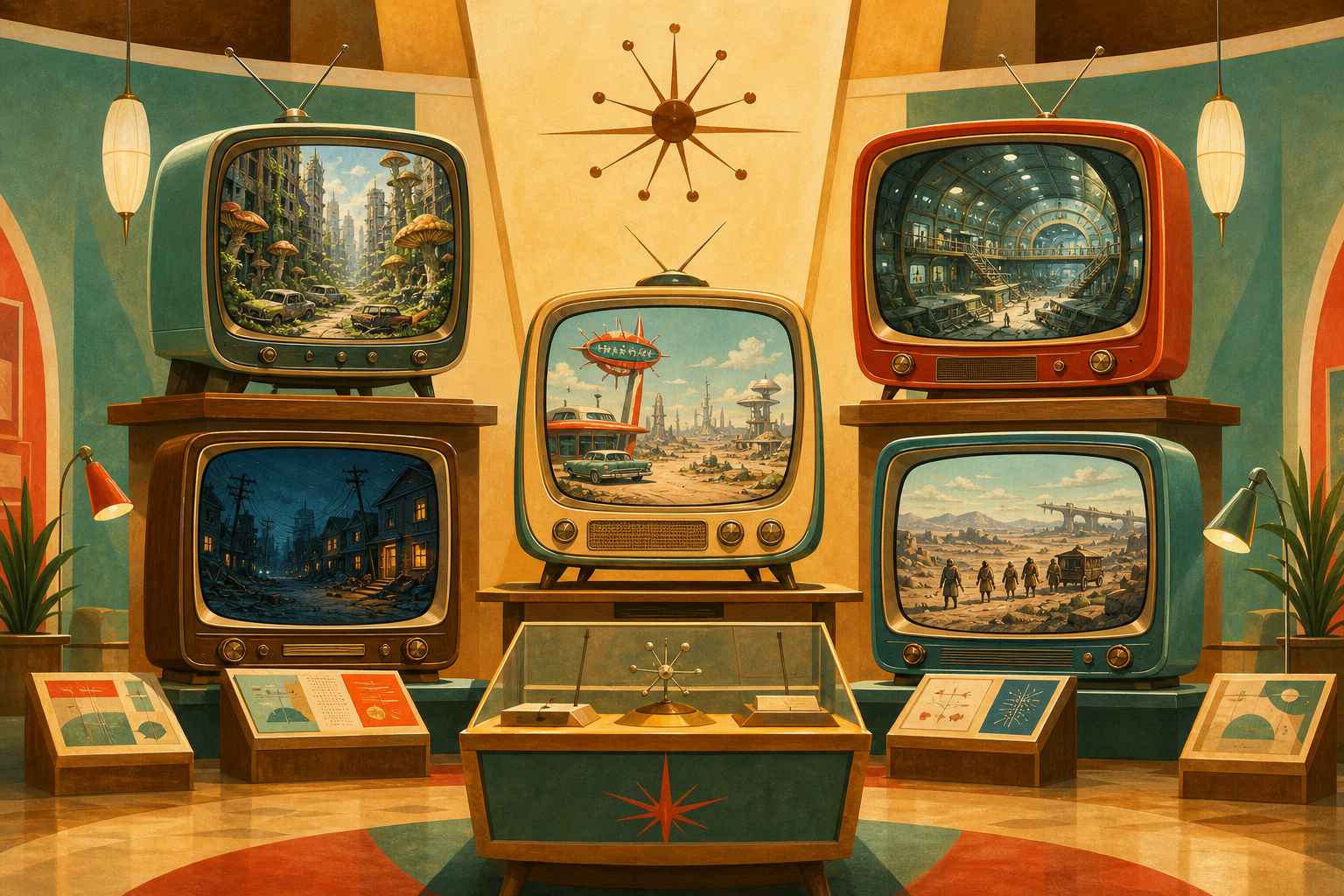
When people search for post-apocalyptic TV shows, they usually do not mean one single thing. Sometimes they want prestige grief and aftermath melancholy. Sometimes they want fungus, fire, militia collapse, and a reason to stay up until 2 a.m. Sometimes they want something strange enough to prove the genre is bigger than one more zombie franchise.
That is why so many competing lists feel interchangeable. They all mention the obvious heavyweights, but very few help you choose the right flavor of ruined world. Television is especially good at the long middle of the apocalypse: not just the initial bang, but the bad governments, bunker rules, survivor rituals, exhausted jokes, and half-functional communities that form afterward. That is the real strength of the medium, and it is the lens I used here.
The original Ash Tales version of this guide had the right instinct in one important way: TV really is where you go when you want to live in the wreckage for a while. I have kept that spirit, but tightened the shelf. The list below mixes essential mainstream picks with a few judgment calls I do not see often enough in the current SERP.
Best Post-Apocalyptic TV Shows at a Glance
- Best overall: Station Eleven
- Best pure survival prestige hit: The Last of Us
- Best bunker mystery: Silo
- Best sprawling franchise pick: The Walking Dead
- Best retro-futurist wasteland: Fallout
- Best older cult recommendation: Jericho
- Best if you want something funny: The Last Man on Earth
- Best if you want something mean and fast: Black Summer
> If one of these shows sends you back to books
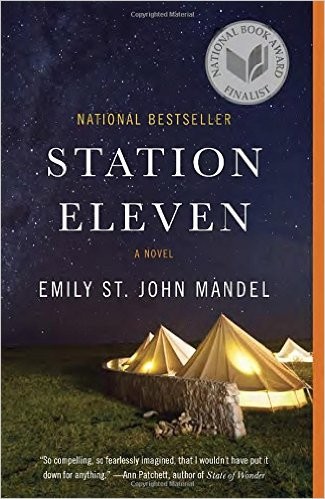
Station Eleven
If you come here for melancholy, art, and the quieter emotional fallout of catastrophe, read the novel too.

Wool
If the bunker politics and systems-control part of apocalypse TV is your weakness, this is the cleanest next stop.
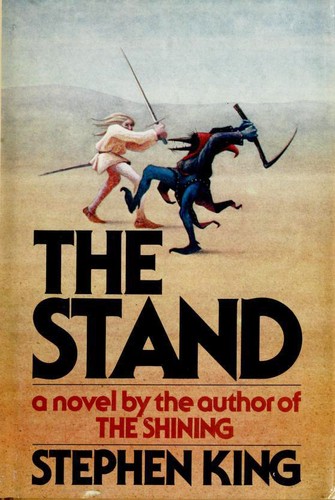
The Stand
If you still want a big, baggy American plague saga after the credits roll, this is the obvious brick-sized follow-up.
How I Would Split This Shelf by Mood
- If you want grief, beauty, and actual ideas about community, start with Station Eleven.
- If you want tension and production value first, go straight to The Last of Us or Silo.
- If you want a longer franchise you can practically move into, pick The Walking Dead.
- If you want weird tone rather than nonstop misery, try Fallout or The Last Man on Earth.
- If you want older, slightly rougher cult-TV energy, the best holds from the old guide are Battlestar Galactica, Survivors, and Jericho.
1. Station Eleven
This is my top recommendation because it refuses the usual apocalypse rhythm. It is not driven by endless siege scenes or macho scarcity theater. It is driven by memory, performance, grief, coincidence, and the question of what culture is for after the world you knew has gone missing. A traveling Shakespeare troupe sounds precious on paper; on screen, it turns out to be one of the smartest answers the genre has produced to the problem of how people keep living.
It is also the clearest proof that post-apocalyptic TV does not have to be all rust, mushrooms, and firearms to work. If you want the genre at its most humane, this is the first show I would hand over.
2. The Last of Us
This is the prestige survival pick most readers will expect, and fairly enough. The infected are frightening, the production design is exacting, and the show understands that the deepest horror in post-apocalyptic fiction is usually not the creature design but the way love curdles into possessiveness, compromise, or brutality. It earns its emotional weight instead of treating feeling like a side dish for action.
What I especially like is that it gives you both scales of the genre: ruined city spectacle and intimate, ugly relationship pressure. If what you want is the modern gold-standard version of “serious apocalypse TV,” start here.
3. Silo
If your favorite post-apocalyptic stories are really about systems, lies, and infrastructure, Silo is a better fit than many louder franchise names. The hook is immediate: humanity is reduced to a giant underground silo, nobody is allowed to ask too many questions about the outside world, and the social order is held together by routine, myth, and threat. From there the show keeps pulling at the logic of the bunker until every maintenance corridor starts feeling ideological.
This is one of the clearest improvements on the current search results. Most competing pages mention Silo because they know they should. Fewer explain why it scratches a different itch from, say, The Walking Dead. It is not outbreak chaos. It is enclosed post-collapse paranoia.
4. Battlestar Galactica
The old version of this guide was absolutely right to include this, and I am keeping it high. Yes, it is a spacefaring variant of the genre, but the core structure is unmistakably post-apocalyptic: civilization nearly wiped out, a fugitive remnant of humanity, collapsing institutions, spiritual argument, political breakdown, resource pressure, and the lingering dread that survival may not mean deserving to survive.
I still think this is one of the best picks if you want apocalypse as a pressure test for government, religion, and leadership rather than as a monster-of-the-week format. It is less “look at the rubble” and more “watch the species argue with itself while drifting through it.”
5. Fallout
The thing Fallout gets right is tonal range. A lot of newer post-apocalyptic TV treats bleakness as proof of seriousness. Fallout remembers that irradiated ruin can also be absurd, lurid, satirical, and perversely cheerful. The result feels like a retro-future theme park built on top of real violence, which gives it a personality many prestige imitators do not have.
I would recommend it especially to viewers who want visual invention and worldbuilding density over pure emotional devastation. If you came to this page because you like your apocalypse with vaults, mascots, social satire, and an occasional smile through gritted teeth, this is your lane.
6. The Leftovers
I know this is the argument pick, because some people resist calling it post-apocalyptic. I still think it belongs. A world does not have to be physically obliterated to feel post-apocalyptic; sometimes the point is that ordinary life remains standing after meaning has been blown apart. The Leftovers is exceptional on exactly that front. It is about social and spiritual aftermath, not scavenging.
I would not use it as a gateway drug for someone who wants infected hordes and fortified compounds. I would use it for viewers who want the most emotionally intelligent “the world is broken now” television on the shelf.
7. 12 Monkeys
This is one I rarely see described properly in generic listicles. Most pages pitch it as “time travel plus plague,” which is true but not enough. What makes it worth watching is that it combines future-collapse imagery, conspiracy plotting, and a surprisingly sincere emotional core without turning into a total continuity migraine. It has pulp energy, but it is disciplined pulp.
If you miss the more plotty, mid-budget sci-fi television of the 2000s and 2010s, this is an excellent reminder of how satisfying that mode can be when it actually lands. It is much tighter than the premise makes it sound.
8. The Walking Dead
This is still the long-haul franchise answer, even if your patience for the franchise will vary from season to season. The reason it remains useful is simple: few shows have spent so much time with the social aftermath itself. Camps turn into settlements, survival codes turn into politics, protection turns into authoritarianism, and every attempt to rebuild corrodes in a slightly different way.
That is also why I would recommend it differently now than I would have a decade ago. I no longer think of it as the automatic best overall choice. I think of it as the best answer for viewers who want attrition, scale, and the slow grind of trying to organize life after the fall.
9. Survivors (2008)
This is one of the better “older British apocalypse” recommendations because it gets to the practical ugliness quickly. A pandemic wipes out most of the population, and what remains is not cinematic heroism so much as improvised camp logic, exhausted mistrust, and the dawning recognition that modern society was doing far more invisible work than anyone appreciated. The BBC version is not huge or glossy, but it is sharp where it matters.
I am preserving this from the old guide because it still does something many current results neglect: it shows collapse as social thinning rather than nonstop set-piece action. If you like plague fiction that feels grounded and a bit frayed, it is still worth your time.
10. Jericho
I still have a soft spot for Jericho because it gives you the small-town version of nuclear aftermath without needing to become a giant prestige statement. The premise is immediate and efficient: multiple American cities are hit by nuclear strikes, power and communications fail, and one Kansas town has to figure out what kind of society it is going to become. There is paranoia, local politics, improvised leadership, and just enough mystery to keep the engine moving.
It is not the slickest show on this page, but it is one of the more useful if you specifically like the “ordinary place under extraordinary systems failure” branch of the genre.
11. Black Summer
If your patience for speeches, lore dumps, and prestige melancholy is low, Black Summer is the corrective. It is stripped down, nervy, mean, and unusually good at making movement itself feel dangerous. People run, panic, separate, misread situations, and die stupidly. That sounds like faint praise until you remember how many apocalypse shows accidentally make collapse feel procedural.
I would not put it first for everyone. I would put it first for viewers who specifically want the early-chaos phase of the end of the world and do not need the show to stop every twenty minutes and explain its thesis.
12. The Last Man on Earth
The current SERP badly underplays how valuable comedy can be in this genre. The Last Man on Earth is not merely a novelty pick. It is one of the more original ways television has explored loneliness, routine, ego, and repopulated social awkwardness after catastrophe. The jokes work because the setup is so existentially bleak to begin with.
It also solves a common recommendation problem: what do you watch when you want post-apocalyptic TV, but not another solemn parade of grief, fungus, and mud? This. The show understands that the absurdity of survival is part of the genre too.
Two More Depending on Your Taste
If you want a younger, more melodramatic, more openly CW-flavored version of nuclear aftermath, add The 100 to your queue.
If you want a warmer, stranger, more hopeful family-friendly branch of the shelf, Sweet Tooth is a better fit than many darker competitors give it credit for.
Where I Would Send Different Viewers Next
- If your favorite picks here are Station Eleven and The Leftovers, go next to The Ultimate Guide to Post-Apocalyptic Fiction.
- If you came for Fallout, the obvious follow-up is 8 Brilliant Books Like Fallout.
- If Black Summer and The Walking Dead are your speed, go to The 21 Best Zombie Books.
- If you want the screen version turned up from series to films, the next stop is The 50 Best Post-Apocalyptic Movies.