Draft: The 50 Best Post-Apocalyptic Movies
Ash Tales
Most “best post-apocalyptic movies” lists flatten the whole genre into one giant rubble pile. They lump literary misery, nuclear docudramas, zombie chaos, wasteland action, black comedy, and slow social collapse into the same bucket and leave you to sort it out yourself.
That is not especially useful when you are trying to pick a movie for tonight. Sometimes you want the bleak, realistic version of the end. Sometimes you want engines, dust, and bad decisions in leather. Sometimes you want something stranger: the kind of apocalypse movie that feels half dream, half panic attack.
So this rewrite is built around actual viewing intent, not just a pile of titles. I kept plenty of the old Ash Tales DNA, the mix of classics, cult oddities, and blockbuster crowd-pleasers, but I have tightened the recommendations around a simpler question: what kind of collapse are you in the mood for?
If you only want the short version, start with Children of Men, Mad Max: Fury Road, Threads, The Road, and 28 Days Later. Those five alone cover most of the emotional range of the genre: political breakdown, operatic wasteland spectacle, nuclear realism, literary despair, and infected-world panic.
Best Post-Apocalyptic Movies at a Glance
- Best overall: Children of Men
- Best pure wasteland rush: Mad Max: Fury Road
- Best if you want realism and dread: Threads
- Best if you want something brutally literary: The Road
- Best zombie-adjacent collapse movie: 28 Days Later
- Best snowy class-war apocalypse: Snowpiercer
- Best cult pick to spring on genre friends: Stalker
- Best comfort-food apocalypse comedy: Shaun of the Dead
- Best “the book is also essential” adaptation: On the Beach
- Best left-field recent pick: Vesper
If You Want the Book-First Branch of This List
> Archive crossover picks
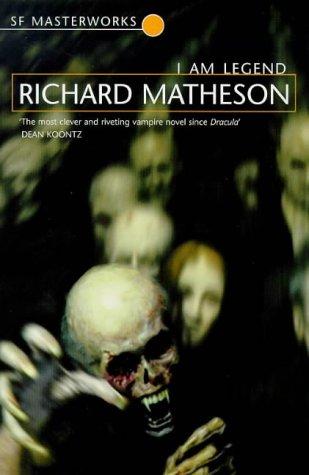
I Am Legend
Matheson's novel is still the cleanest way to compare the lonely-survivor versions of this story.
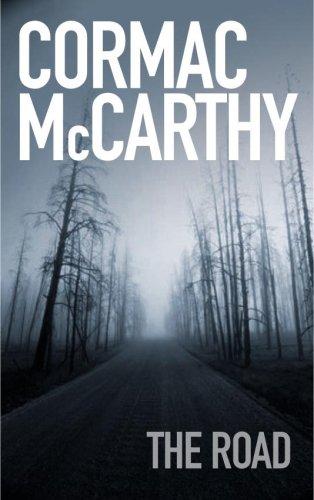
The Road
McCarthy's book is just as devastating as the movie, and somehow even barer.
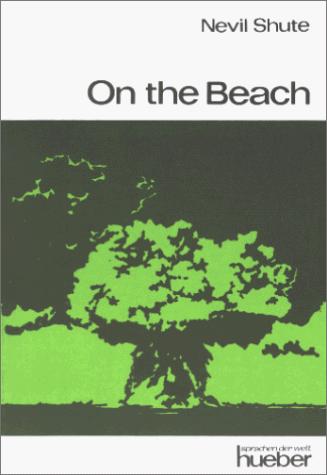
On the Beach
Nevil Shute's novel gives the film's quiet nuclear fatalism even more weight.
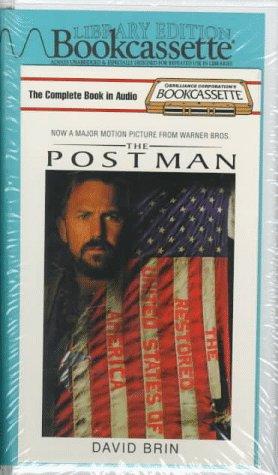
The Postman
Brin's novel is stranger, more political, and better than the Costner film.
If You Only Watch 10, Start Here
1. Children of Men (2006)
If I had to hand one movie to someone and say “here, this is why apocalypse stories matter,” this would be it. Alfonso Cuaron turns fertility collapse into a story about immigration, state violence, faith, exhaustion, and the tiny scraps of hope people protect when everything else has curdled.
It is also one of the rare consensus picks that still feels sharper on a rewatch. The long takes are famous for a reason, but what really keeps it at the top of the list is how plausibly lived-in its dying world feels.
2. Mad Max: Fury Road (2015)
This is the loudest movie on the page and one of the smartest. George Miller takes the wasteland iconography that half the genre has borrowed for decades and pushes it into something mythic, furious, and weirdly elegant.
If you want high-speed apocalypse rather than contemplative apocalypse, start here. I still think it is the cleanest example of how spectacle and world-building can do characterization without slowing down for exposition.
3. Threads (1984)
When people ask for the scariest post-apocalyptic movie, I almost never hesitate. It is Threads. Not because it is flashy, but because it is procedural, drab, and sickeningly plausible.
This is the film I recommend with the biggest warning label. If your favorite apocalypse stories are the ones that treat collapse as a civic systems failure rather than an adventure premise, Threads is essential and absolutely miserable.
4. The Road (2009)
If I were giving out a “most depressing film on the list” award, The Road would win by a landslide. John Hillcoat’s adaptation keeps the ash, hunger, parental terror, and stripped-down grief that make Cormac McCarthy’s novel so hard to shake.
This is not the movie I put on when I want fun. It is the movie I reach for when I want the genre at its most intimate, cold, and emotionally punishing.
5. 28 Days Later (2002)
Danny Boyle’s film still feels feral. The empty London images are iconic now, but the bigger reason it lasts is the speed and volatility of its infected-world collapse.
I like it more than a lot of shinier zombie-adjacent movies because it understands that the real menace is not just infection. It is what frightened, militarized survivors become once structure disappears.
6. Snowpiercer (2013)
If you want your post-apocalypse with class warfare, absurd production design, and a train that never stops moving, this is the one. Bong Joon Ho turns a gloriously blunt premise into something tense, nasty, funny, and politically legible.
It is not subtle, but subtlety is not why it works. It works because every carriage feels like a new argument about what people decide to preserve when the world narrows.
7. Stalker (1979)
This is one of my favorite “not for everyone, but unforgettable if it hits you” entries. Tarkovsky’s Zone does not look like the usual blockbuster apocalypse, but it has the irradiated spiritual emptiness and post-disaster strangeness that the genre does better than almost any other mode of science fiction.
If your taste runs toward eerie atmosphere, philosophical dread, and landscapes that feel cursed rather than merely ruined, put this near the top of your queue.
8. Dawn of the Dead (1978)
Romero’s mall-zombie classic still earns its spot because it is funny, gross, influential, and far more socially observant than the average “important horror movie” summary makes it sound.
A lot of zombie cinema is living in its shadow. If you want to understand why shopping malls, barricades, scavenging runs, and consumer satire became permanent apocalypse furniture, start here.
9. I Am Legend (2007)
This remains one of the best “mainstream entry point” apocalypse movies because the first half is so effective at selling urban solitude. Watching Neville move through a dead Manhattan with military routines and dog-company loneliness is still gripping.
I do not love every choice the film makes late, and I still prefer Richard Matheson’s novel. But as a gateway movie into lone-survivor apocalypse stories, it works.
10. Planet of the Apes (1968)
This one stays because the ending still lands, the social inversion is still sharp, and the whole thing has the energy of an old studio picture taking a wild conceptual swing.
It is also a useful reminder that post-apocalyptic cinema did not begin with desert chases and viral outbreaks. A lot of the genre’s best work is built on revelation, not rubble.
Bleak, Literary, and Quietly Ruinous
11. On the Beach (1959)
This is one of the great “waiting for the end” films. Nuclear war has already happened. The real story is the quiet human business of living under a deadline everyone understands and nobody can change.
I come back to it because it refuses the usual action-movie fantasy of agency. The terror here is passive, civil, and terminal.
12. The Last Man on Earth (1964)
Vincent Price’s version of the Matheson story is rougher and more low-budget than later adaptations, but it captures the lonely daily ritual of survivor life better than most.
If you liked the empty-city mood of I Am Legend, it is worth backtracking here. This version feels closer to the melancholy engine of the source material.
13. The Book of Eli (2010)
I still have a soft spot for this one. It is half Western, half wasteland fable, and it knows how to make post-collapse travel feel dangerous without turning every scene into chaos.
The film’s religious angle is not for everyone, but the visual atmosphere and Denzel Washington’s steady-screen-presence cool go a long way.
14. 12 Monkeys (1995)
Terry Gilliam’s movie is messier than the very best entries here, but that mess is part of the charm. It is paranoid, funny, frantic, and just unstable enough that the time-travel structure never feels clean or comforting.
I would not call it the purest post-apocalyptic movie on the list, but I would call it one of the most distinctive.
15. Blindness (2008)
This is one of the uglier social-breakdown movies on the page, and I mean that as a compliment. The blindness epidemic strips a city down fast and exposes how quickly institutions hand cruelty to whoever grabs it first.
The book is stronger, but the film still deserves a place here for anyone interested in collapse as moral rot rather than external spectacle.
16. WALL-E (2008)
One of the best things about the genre is that it can go from Threads to WALL-E without breaking shape. Beneath the family-film sweetness, this is still a story about ecological ruin, consumer waste, and a species that outsourced itself into uselessness.
It also has one of the most unexpectedly tender visions of recovery on the whole list.
17. A Quiet Place (2018)
Strictly speaking, this sits near the border between apocalyptic and post-apocalyptic. I am including it because it nails something the genre often fumbles: the small-scale mechanics of adaptation after the initial catastrophe.
The sound-based premise is so clean that the movie gets a lot of suspense for free, but it earns its place through domestic detail and controlled panic.
18. The Rover (2014)
This is one I recommend to people who like their apocalypse dusty, mean, and emotionally hollowed out. It is less interested in explaining collapse than in showing the psychic damage left behind.
Guy Pearce and Robert Pattinson both do strong work here, and the film’s refusal to glamorize violence helps it stand out from slicker wasteland stories.
19. The Day After (1983)
If Threads is the harsher, better movie, The Day After is still worth seeing as a piece of nuclear-era dread. It has that made-for-TV broadness, but it also communicates just how fast normality can become ash.
I would watch it as a companion piece rather than a replacement. Together, the two films make a brutally effective double bill.
20. Vesper (2022)
This is one of the more distinctive recent additions to the genre: biotech ruin, fungal-looking ecosystems, makeshift class systems, and a world that feels both decayed and strangely fertile.
If you are tired of interchangeable desert wastelands and want something more ecological and visually alien, this is an excellent left-field pick.
Wasteland Action, Pulp, and Big-Scale Ruin
21. Mad Max 2: The Road Warrior (1981)
This is where the Mad Max iconography fully locks into place. Leather, engines, improvised fortresses, savage road combat, the whole grammar of the modern wasteland is here.
If Fury Road is the polished operatic peak, The Road Warrior is the lean, feral blueprint.
22. Furiosa: A Mad Max Saga (2024)
I would still put Fury Road higher, but Furiosa earns its place. It broadens the wasteland instead of just replaying the chase template, and it adds a little more tragedy and political texture to Miller’s desert mythos.
It is also useful for readers who want newer entries, because too many apocalypse lists pretend the genre stopped producing worthwhile movies after the 2010s.
23. Escape from New York (1981)
Not every apocalypse movie needs scorched earth. Carpenter’s prison-island Manhattan feels like a parallel branch of collapse fiction: authoritarian, filthy, and only one bad decade away from reality.
Snake Plissken also remains one of the coolest genre protagonists ever built, which does not hurt.
24. Reign of Fire (2002)
This movie is ridiculous in exactly the right way. Dragons reduce civilization to scrap, survivors retreat into fortified communities, and Christian Bale and Matthew McConaughey spend the runtime trying to outdo each other in committed nonsense.
I keep it on lists like this because the premise is so joyfully specific. There are not enough dragon-apocalypse movies, and this one understands the assignment.
25. Waterworld (1995)
Yes, the production is infamous. Yes, the movie is bloated. I still think it belongs here because its floating junk-world is memorable, tactile, and far stranger than the punchline version of Waterworld suggests.
If you like post-apocalyptic world-building more than elegant plotting, there is a lot to enjoy.
26. The Postman (1997)
This is a sentimental, overlong movie, and I mean that with more affection than contempt. What keeps it in the guide is not efficiency. It is the unusual emphasis on symbols, communication, and civic myth-making after collapse.
It is one of the better movies for people who enjoy the rebuilding side of apocalypse stories more than the immediate destruction.
27. Love and Monsters (2020)
This is one of the breezier entries here, but that is part of the value. Not every end-of-the-world movie needs to feel like emotional trench warfare.
The creature design is fun, the tone is winning, and the film does a nice job of making scavenger-survival feel adventurous without becoming weightless.
28. Stake Land (2010)
I like this more than a lot of higher-profile vampire-apocalypse movies because it keeps the scale modest and the road-movie rhythm steady. It feels closer to a grim Americana survival tale than a glossy franchise pitch.
If you want a halfway point between zombie-collapse energy and wasteland travelogue, this is a smart pick.
29. Dawn of the Planet of the Apes (2014)
This is the strongest film in the reboot trilogy for me. The balance between ape politics, human fragility, and post-pandemic distrust is handled with more patience than most studio blockbusters allow themselves.
It is also one of the better examples of a large-scale franchise movie understanding that apocalypse stories are usually really about failed coexistence.
30. Kingdom of the Planet of the Apes (2024)
This makes the list less because it beats the earlier films and more because it pushes the setting further into full post-human mythology. Once ape civilization itself begins to stratify and mythologize the past, the series becomes even more interesting as a long-tail collapse story.
If you like “civilization rebuilt on misunderstood ruins,” this is a strong modern mainstream example.
Infected, Zombie, and Plague-World Chaos
31. Shaun of the Dead (2004)
This is still my favorite apocalypse comfort watch. It understands the zombie genre well enough to spoof it and genuinely deliver it at the same time.
More importantly, it remembers that collapse stories can be about ordinary loser inertia as much as heroism. That is part of why it still feels fresh.
32. Zombieland (2009)
The tone is lighter, the set pieces are broader, and the rule-based comedy works. If you want a post-apocalyptic movie that does not leave you staring into middle distance afterward, this is one of the safest bets on the page.
I would not put it above Romero or Boyle on importance, but I absolutely understand why people revisit it more often.
33. Dawn of the Dead (2004)
Zack Snyder’s remake is louder and nastier than Romero’s original, but it earns its place by being one of the better fast-zombie panic movies of the 2000s.
It does not have the same satirical bite, but it does have momentum to spare.
34. Day of the Dead (1985)
This is probably the grimmest of Romero’s core zombie films. The bunker setting makes everything feel meaner, more claustrophobic, and more unstable.
I especially like it for readers who prefer apocalypse stories where the survivors are just as dangerous as the dead.
35. 28 Weeks Later (2007)
It is not as elegant as 28 Days Later, but it remains a very effective escalation movie. Where the first film is lean and intimate, this one is about failed containment and the fantasy that order can be restarted on schedule.
That administrative overconfidence makes it more interesting than a generic sequel.
36. World War Z (2013)
This is a very loose adaptation of Max Brooks, but it works perfectly well as a globe-hopping big-budget pandemic thriller. The Jerusalem sequence alone earns some goodwill.
I would not send people here for book fidelity. I would send them here for velocity.
37. The Girl with All the Gifts (2016)
This one deserves more love. It uses the infected-child premise to do something the genre often skips: treat the successor species question seriously rather than just as a twist.
It is thoughtful, nasty, and more emotionally complicated than many bigger zombie titles.
38. The Night Eats the World (2018)
This is a quieter, lonelier zombie movie than most people expect. The setup is simple, one man trapped in an apartment block after the city falls, but the film gets a lot of mileage from repetition, silence, and mental drift.
If the part of apocalypse fiction you like is the routine of isolation, this is a strong underseen entry.
39. Cargo (2017)
This is a smaller, sadder infected-world story built around parental urgency rather than body-count thrills. Martin Freeman is excellent in it.
I recommend it to people who liked the emotional shape of The Road but want something less relentlessly black.
40. It Comes at Night (2017)
This is the kind of movie I recommend carefully because marketing did it no favors. It is less creature-feature than paranoia chamber piece.
But if your favorite apocalypse stories are about distrust, quarantine logic, and the way fear corrodes households from the inside, it is absolutely worth seeing.
Strange, Funny, and Cult-Weird Apocalypse Movies
41. Delicatessen (1991)
If the genre starts feeling too gray and interchangeable, this is an excellent antidote. The post-collapse scarcity is real, but the tone is warped, comic, and visually fussy in a way few apocalypse movies dare.
It is not an all-purpose starter pick. It is a “you have seen the usual stuff and now want something weirder” pick.
42. A Boy and His Dog (1975)
This movie is grubby, nasty, influential, and occasionally appalling. Which is also why it matters. A lot of later wasteland fiction inherits pieces of it, especially the scorched-road cynicism and casual degradation.
I would not call it lovable, but I would call it important viewing for genre archaeology.
43. Soylent Green (1973)
The famous reveal has become meme-furniture at this point, but the film is more than its twist. It is one of the better examples of overpopulation, resource scarcity, and elite insulation becoming everyday urban apocalypse.
Also: old-school Charlton Heston genre yelling still has its place.
44. Logan’s Run (1976)
This one sits in the overlap between dystopia and post-apocalypse, which is exactly why I like it in a list like this. It is sleek, strange, and fascinated by how controlled societies hide rot behind ceremony.
If you enjoy apocalypse stories that still have architecture, ritual, and artificial order, it is a good pivot point.
45. Miracle Mile (1988)
Not enough people talk about this movie. It is really an apocalyptic panic movie rather than a long-aftermath story, but it earns a slot because it captures the momentum of impending doom better than almost anything else.
You can feel the world narrowing in real time.
46. These Final Hours (2013)
Another excellent “the end is scheduled and unstoppable” film. The Australian setting and last-day structure give it a different rhythm from American collapse movies, and the emotional choices land hard.
If you like the fatalism of On the Beach but want something much more immediate and frantic, start here.
47. The Quiet Earth (1985)
This is one of my favorite lonely-apocalypse movies because it begins with the irresistible premise of waking up to an empty world and then gets progressively stranger and more metaphysical.
It also has the kind of ending that improves the whole movie in retrospect.
48. Turbo Kid (2015)
Not every cult pick has to be severe. Turbo Kid is bright, gory, homemade-feeling fun: a BMX-and-synth apocalypse with enough sincerity to keep the retro joke from wearing thin.
I would file it under “surprisingly good hangout wasteland movie.”
49. The World’s End (2013)
It is more invasion-collapse comedy than pure post-apocalypse, but it earns the spot because Edgar Wright knows exactly how to pivot from nostalgia joke to social disintegration. It is also sneakily one of the better “middle age feels like the end of the world” films ever made.
For viewers who want apocalypse with pints and existential embarrassment, this is the move.
50. Aniara (2018)
I wanted one final recommendation here that pushes the guide away from the same familiar rubble. Aniara is not about desert roads or zombies. It is a spacebound collapse story about drift, despair, time, and meaning eroding in closed conditions.
If you want your apocalypse cosmic, existential, and quietly devastating, end the list here.
How I Would Pick Depending on Your Mood
- If you want the single safest all-timer, watch Children of Men.
- If you want action first, go to Mad Max: Fury Road and The Road Warrior.
- If you want the bleakest realistic nuclear nightmare, watch Threads and then The Day After.
- If you want literary misery, choose The Road, On the Beach, or Stalker.
- If you want zombie collapse but not total nihilism, start with 28 Days Later, Shaun of the Dead, or The Girl with All the Gifts.
- If you want oddballs your friends probably have not all seen, try Vesper, The Quiet Earth, These Final Hours, or Aniara.
Where to Go Next in Ash Tales
If this guide sent you toward plague collapse, jump next to pandemic books. If the nuclear dread side of the genre is what hooks you, go to best books about nuclear war. If you want the broader map of apocalypse subtypes, types of apocalypse is the best next stop. And if you are trying to build a full books-plus-screen watchlist, start from The Ultimate Guide to Post-Apocalyptic Fiction.