Draft: The Ultimate Guide to Post-Apocalyptic Fiction
Ash Tales
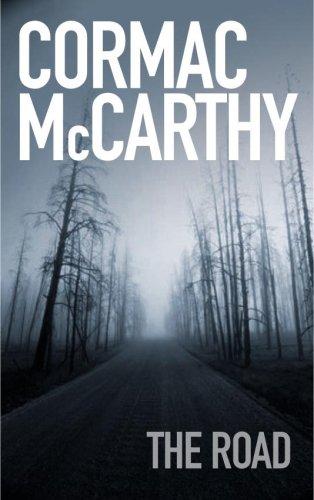
A few years ago, I got hooked on The Road by Cormac McCarthy.
I was obsessed with the bleak and beautiful landscapes it described, of a world destroyed and a society torn to pieces. I was fascinated by the way civilisation had crumbled, and how a handful of desperate survivors set out to rebuild their lives in their new world.
I read and re-read the stories, savouring every second of destruction and darkness and chaos. I wanted more, but I didn’t know where to look – right until I stumbled upon the term ‘post-apocalyptic fiction‘.
Turns out, there’s a whole genre dedicated to my obsession: it’s called post-apocalyptic fiction, and it deals with life after the apocalypse.
What is Post-Apocalyptic Fiction?
Post-apocalyptic fiction refers to books, games, TV shows, podcasts and movies set after the collapse of civilisation.
Typically, globally destructive events - like nuclear war, outbreaks of unstoppable diseases, climate catastrophes and even supernatural disasters - destroy most of the world’s population, leaving a handful of people to attempt survival in a radically changed world.
A Brief History of Post-Apocalyptic Fiction
Fear of the end of the world has existed for thousands of years, but it wasn’t until the early 20th century that the genre first manifested in its current form. Mary Shelley’s ‘ The Last Man ‘ is widely regarded as one of the first modern works of post apocalyptic fiction, telling the story of a plague that eradicates humanity until, you guessed it, there’s a single man left standing.
But it wasn’t until the 1950’s that the genre really hit its stride. Fuelled by the end of World War II, and the development of the nuclear bomb, growing numbers of novelists turned their thoughts to doomsday scenarios. With total annihilation now possible at the push of a button, once far-fetched visions of the end of the world now seemed terrifyingly plausible – leading to a pantheon of novels and works of fiction often referred to as ‘the Golden Age of Post Apocalyptic Fiction‘.
These classic stories typically revolve around scientific innovation pushed to its destructive limits, a theme which has continued into some of the genre’s best modern tales. Since then, other types of apocalypse have taken precedence – from zombie pandemics to alien invasions, catastrophic climate change to genetic superbugs run wild – but one fact remains constant: post apocalyptic fiction mirrors one of humanity’s deepest-seated fears.
For as long as we exist, and society continues to thrive, a part of our subconscious fears the unknown, and the end of everything. Post apocalyptic fiction allows us to explore this dark side of the psyche, and revel in all-manner of fictional disaster scenarios.
As well as the post apocalyptic genre, there are a couple of other related niches that look at similar themes, so to further our understanding of this kickass niche, let’s clear up some of the blurred definitions:
Apocalyptic fiction
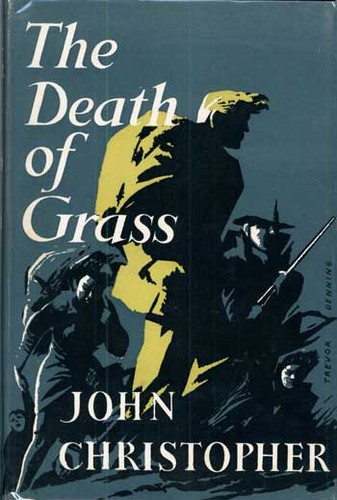
Apocalyptic fiction takes place during the end of the world, with society beginning to crumble and collapse as the story unfolds. There are no hard-and-fast rules for the type of tragedy that besets mankind: only that a monumental event takes place during the course of the story, changing the world irreparably, and forcing its survivors to fundamentally change their way of life just to survive.
Post-apocalyptic fiction
Post-apocalyptic fiction is set after the apocalypse, and typically follows the day-to-day lives of the survivors of the end of the world. Set anywhere from a few days to a few thousand years after the apocalypse, this genre focuses on the breakdown of society, and the problems that follow: from scarce food and water to a complete lack of communication, from vampire uprisings to roaming bands of murdering savages.
Dystopian fiction
Dystopian fiction is a slightly different take on the same theme. In dystopian fiction, society still exists – but for reasons of corruption, oppression, disease or war, the world has been transformed into a living hell on earth. Dystopian fiction is the polar opposite of utopian fiction, which centres on beautiful, perfect societies, and differs from apocalyptic and post-apocalyptic scenarios because in a dystopia, society still exists.
Common Themes in Post Apocalyptic Fiction
When you think of post apocalyptic fiction, a few images might spring to mind: roving bands of raiders, Mad Max-style wastelands, nuclear winter… But while these are all popular motifs in the genre, they’re far from the only things you’ll find. In fact, one of the great things about post apocalyptic fiction is the huge variety on offer: from heart-wrenching tales of loss and redemption, to all-out action thrillers, to mind-bending science fiction epics.
Some of the most common themes you’ll find in post apocalyptic fiction include:
- Nuclear war: the classic apocalypse template, full of fallout, ruined cities, radiation, and the moral dread of human self-destruction. Examples: A Canticle for Leibowitz, Alas, Babylon, On the Beach.
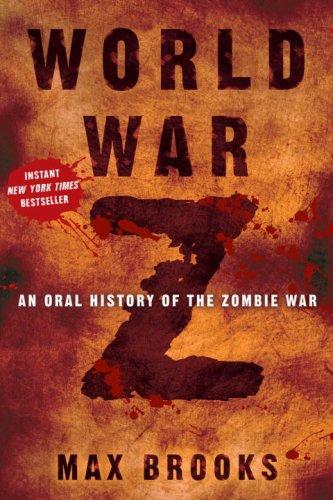
- Zombie apocalypse: collapse driven by the dead, the infected, or something close enough to both. These stories usually mix contagion, panic, and savage social breakdown. Examples: World War Z, The Walking Dead, Feed.
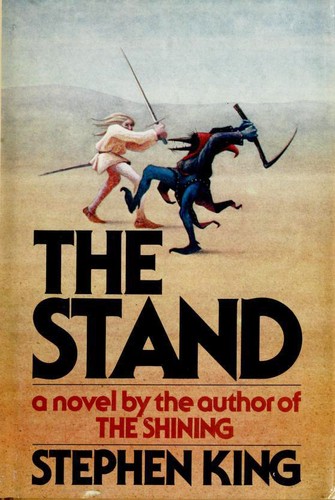
- Pandemics and viruses: civilization buckles under disease, quarantine, fear, and the failure of ordinary systems. Examples: The Stand, Station Eleven, The Last Man.
- Alien invasion: extraterrestrial contact turns catastrophic, leaving humanity outmatched by superior biology, intelligence, or force. Examples: The War of the Worlds, Childhood’s End, The Genocides.
- Climate change: slow or sudden environmental breakdown makes the world harder and harder to inhabit. Examples: Parable of the Sower, The Drowned World, The Water Knife.
- Religious rapture: the world ends through prophecy, divine judgment, or supernatural intervention rather than bombs or viruses. Examples: Left Behind, Good Omens, The Stand.
- Asteroid impact: extinction arrives from outside the planet, usually with impact shock, tsunamis, firestorms, and long-term darkness. Examples: Lucifer’s Hammer, Deep Impact, Seveneves.
- EMP and technological failure: the world does not necessarily explode, but the systems holding it together suddenly die. Examples: One Second After, The Machine Stops, Dies the Fire.
- AI or robot uprising: our machines stop serving us and start replacing, controlling, or exterminating us. Examples: Robopocalypse, The Terminator, Colossus: The Forbin Project.
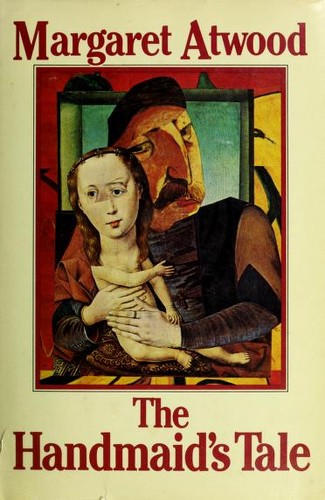
- Fertility collapse: humanity does not die all at once; it simply loses its future. Examples: Children of Men, The Handmaid’s Tale, Y: The Last Man.
- Biotech and mutation: genetic engineering, laboratory accidents, and synthetic biology produce transformed bodies and unstable ecosystems. Examples: Oryx and Crake, The Passage, Blood Music.
- Slow societal collapse: the end comes through attrition rather than impact, as institutions, trust, and infrastructure slowly give way. Examples: Severance, Soft Apocalypse, The Dog Stars.
Now that you know some of the common themes and settings in post apocalyptic fiction, chances are that you’re sold: post-apocalyptic fiction sounds amazing, and you want in. But where should you start?
Where to Start
If you’re completely new to the genre, I’d start with one bleak modern classic and one older pillar of the field.
The Road is still one of my favourite entry points because it strips the genre back to its bare essentials: ash, hunger, love, terror, and the stubborn will to keep going. If you want something that shows how literary and emotionally devastating post-apocalyptic fiction can be, start there.
A Canticle for Leibowitz is one of my other favourite starting points because it captures a totally different side of the genre: history, memory, religion, and the long aftermath of nuclear ruin. It’s one of the clearest examples of why post-apocalyptic fiction is about more than survival mechanics.
If you want a third option that feels especially relevant now, Parable of the Sower is the one I’d hand to someone who wants apocalypse as social pressure rather than spectacle.
> Ryan's quick-start favorites
The Road
Bleak, stripped-back, and emotionally unforgettable.

A Canticle for Leibowitz
For the long aftermath of nuclear ruin, memory, and religion.

Parable of the Sower
For social collapse that feels close to the present.
1. Post-Apocalyptic Books
Literature has proved to be extremely fertile ground for post-apocalyptic fiction to take root. Many of today’s most highly-acclaimed authors have turned their hand to the genre, including masters like Stephen King, Margaret Atwood and Cormac McCarthy. Whether you’re after a quick but poignant read like The Road, to a sprawling epic The Stand, you’re guaranteed to find your perfect apocalypse somewhere within Ash Tales’ archives.
2. Post-Apocalyptic Movies & TV Shows
Recent years have seen a huge resurgence in post-apocalyptic TV shows and movies, driven by smash hits like The Walking Dead, Mad Max: Fury Road and The 100. From sober, reflective films like Children of Men, to high octane, action-packed thrillers like World War Z, and even black comedies like Shaun of the Dead, use our guides to find the perfect fuel for your next Netflix binge.
3. Post-Apocalyptic Games
From the irradiated wastes of Fallout 4’s Commonwealth, to the alien surrounds of S.T.A.L.K.E.R’s Pripyat, many of the most immersive post-apocalyptic worlds exist in gaming. Thanks to perennial classics like Wasteland and Fallout, and modern-day incarnations like the Metro series and Fallout 76, wannabe wasteland wanderers can experience dozens of dark, twisted interpretations of the apocalypse.
4. Post-Apocalyptic Podcasts
Fill your ear holes with end-of-the-world goodness, and explore killer post-apocalyptic podcasts ranging from long-running fiction serials to post-apocalyptic pop-culture analysis. Better still, why not check out the Ash Tales podcast? Each episode is an original, self-contained short story from one of the genre’s hottest authors.
If you’re a fan of post-apocalyptic fiction, or if you’re just looking to expand your reading/viewing/gaming horizons, then this guide is for you. We’ve listed the best post-apocalyptic books, movies and games out there, so you can explore the genre in all its glory.
Whether you’re after heart-wrenching tales of human survival like The Road, high-octane action like Mad Max: Fury Road, or dark post-apocalyptic comedies like Shaun of the Dead, we’ve got you covered.
So what are you waiting for? Start exploring today!