Draft: The 10 Best Vampire Apocalypse Books
Ash Tales
When I want vampire fiction, I usually want one of two very different things. Either I want gothic intimacy, old houses, and one monster at the window, or I want the exact opposite: civilization getting chewed apart at scale. This guide is for the second mood.
The phrase “vampire apocalypse books” gets used pretty loosely online, and that is half the reason this list needed tightening up. A lot of pages throw in any vampire novel with a ruined street or a dark sky. I am being stricter than that here. For me, a proper vampire apocalypse book needs to do at least one of three things well:
- turn vampirism into a civilization-level threat rather than a local haunting
- show the social aftermath in a meaningful way: quarantines, ruined infrastructure, resistance cells, enclosed survivor communities, or night-rule politics
- make the vampire logic shape the whole world, not just the villain roster
So no sparkly detours, and not much hidden-society urban fantasy either. What follows is the lane where vampires behave like plague, occupation force, predatory caste, or end-stage ecological problem.
Best Vampire Apocalypse Books at a Glance
- Best overall modern epic: The Passage
- Best classic foundation: I Am Legend
- Best for “the vampires already won”: The Night Eternal
- Best for secondary-world gothic collapse: Empire of the Vampire
- Best for pulp resistance-war energy: Derek Gunn’s Vampire Apocalypse series
- Best for quarantined-outbreak decadence: The Coldest Girl in Coldtown
- Best left-field crossover pick: Double Dead
> Ryan's quick-start picks
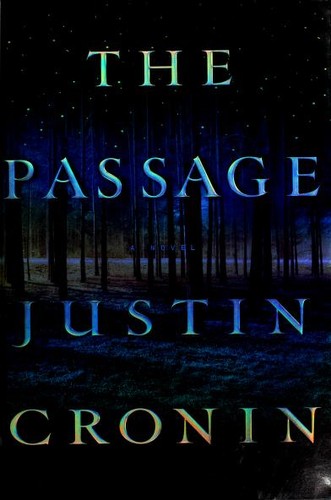
The Passage
Start here if you want the biggest, most sweeping take on engineered vampiric collapse.
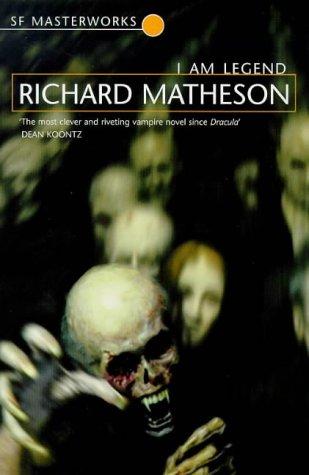
I Am Legend
Start here if you want the lean classic that helped define the whole infected-vampire apocalypse lane.
1. The Passage by Justin Cronin
If someone asks me for the single safest recommendation in this micro-subgenre, this is the one. Cronin takes the vampire apocalypse premise and scales it all the way up into military experimentation, national collapse, colony survival, and the long civilizational hangover that follows. The virals are close enough to vampires to satisfy the blood-horror itch, but the novel is really using them as an extinction event.
What I like most here is the sense of duration. A lot of vampire-apocalypse fiction is good at the outbreak or the gore, but not the aftermath. The Passage actually gives you both. It cares about failed containment, broken institutions, survivor enclaves, and the way myth begins to grow around catastrophe. If you want the version of this subgenre that feels genuinely epic rather than merely savage, start here.
2. I Am Legend by Richard Matheson
This is still the foundational text I would hand to anyone who wants to understand why vampire apocalypse stories work at all. It is smaller in scope than many newer books on this list, but it makes up for that with purity. One man, one house, one devastated society, and one terrifying realization about what the new world now considers normal.
I also think this is the book that keeps later lists honest. If a recommendation page is full of bloated copy but does not have I Am Legend somewhere near the top, I start distrusting the whole thing. Matheson gets at something a lot of imitators miss: apocalypse is repetitive as well as dramatic. The loneliness, the routines, the daytime scavenging, the psychological erosion, all of that matters as much as the monsters.
If you want to stay with Matheson for a bit after this, the next clean stop inside Ash Tales is Quotes from I Am Legend, because the book’s philosophy lands just as hard as its horror.
3. The Night Eternal by Guillermo del Toro and Chuck Hogan
Strictly speaking, this is the payoff volume of The Strain trilogy, not the place to begin. But if your real appetite is “show me the world after the vampires win,” this is one of the clearest answers in the field. By this point the sky has darkened, the social order has collapsed, and human life has been reorganized around predation, rationing, resistance, and dread.
That end-state focus is why I am keeping it on the list. Plenty of vampire novels threaten apocalypse. Far fewer sit in the wreckage and show you what vampire rule actually feels like. Del Toro and Hogan are very good at the bodily ugliness of the monsters, but the more interesting detail is the civic ugliness: checkpoints, dependence, black markets, fear, and the feeling that daylight itself is becoming politically scarce.
4. Empire of the Vampire by Jay Kristoff
This is the recommendation for readers who want their apocalypse with full gothic opera attached. Kristoff is not writing a clinical outbreak novel. He is writing a devastated secondary world where sunlight has failed, blood economies dominate, holy orders have been broken, and every surviving institution looks exhausted, compromised, or half-mythic.
I would not call it the purest “post-apocalyptic” entry here in a science-fiction sense, but it absolutely belongs in the broader taxonomy of vampire-collapse fiction. The reason is simple: the world has already tipped into a new order, and the book is interested in what survival, memory, and resistance look like after that change hardens into culture.
If what you want is less quarantine realism and more grand, bloodstained legend, this is the best pick on the page.
5. Derek Gunn’s Vampire Apocalypse series
There are slicker books on this list, and there are more literary books on this list, but Gunn’s series understands one very useful thing about the subgenre: once vampires stop lurking and start governing, the story becomes a war story. Oil has dried up, governments have failed, and resistance groups are left fighting a night-dominant enemy that has every structural advantage.
That military-thriller skeleton gives the books a different flavor from more introspective apocalypse fiction. These are for readers who want patrol routes, insurgent tactics, armed compounds, and the basic question of how a human resistance movement functions when the enemy is stronger, faster, and increasingly organized. I would not make this your first stop, but I would absolutely keep it in the stack if you like the idea of The Walking Dead pressure with vampires instead of zombies.
6. The Coldest Girl in Coldtown by Holly Black
This is one of the more interesting borderline cases because it does not give you total global ruin in the usual wasteland sense. What it does give you is quarantined vampiric collapse: cordoned cities, media spectacle, infection panic, social decadence, and a culture that has started treating the end of the world like entertainment.
That angle makes it more useful than a lot of generic YA vampire recommendations. Black understands that an apocalypse does not have to look like ash and empty highways to count. It can also look like sealed zones, status economies, livestreamed ruin, and a generation learning to eroticize disaster because it no longer knows how to solve it.
If you like outbreak fiction but want something sharper and more socially performative than straight survival horror, this is a smart detour.
7. Double Dead by Chuck Wendig
This is the oddball recommendation I almost never see in broader roundups, which is exactly why I like keeping it around. Wendig flips the usual formula by dropping a vampire into a zombie-ravaged world and letting the whole thing turn into a filthy road novel full of predatory self-interest, reluctant alliance, and genre-savvy nastiness.
The reason it works in this guide is that it treats apocalypse as an ecosystem. Once civilization is down, monster hierarchies start changing too. Instead of asking “what if vampires ended the world?”, it asks a nastier question: what kind of opportunist thrives in the ruins after one apocalypse has already happened?
It is not the most canonical fit on the page, but it is one of the freshest if you have already read the obvious giants and want something meaner, stranger, and less over-recommended.
8. We Deal in Blood by Anthony Izzo
I kept this from the original version because the mercenary angle is genuinely useful. Too much vampire-apocalypse fiction defaults to either lone survivors or noble resistance fighters. Izzo instead leans into contracts, compromised loyalties, and the idea that once the world breaks, monster-hunting becomes labor before it becomes heroism.
That gives the book a grubby professional texture I enjoy. The mood is less “save civilization” and more “civilization is gone; now what kinds of violent economies replace it?” If you want a recent title that does not just recycle old vampire-romance furniture, this is a good modern pulp pick.
9. Incursion: Vampire Apocalypse by M.D. Massey
I would only recommend this one to the right reader, but for that reader it hits. Massey goes full kitchen-sink supernatural war: vampires, magic, military hardware, and collapse happening all at once. The appeal is not restraint. The appeal is escalation.
What makes it worth keeping here is subtype variety. Not every vampire apocalypse novel has to pretend it is prestige horror. Sometimes the honest version of the pitch is “I want the world to end under supernatural crossfire and I want the pages to move.” If that is your mood, this one earns its place better than more respectable but less distinctive recommendations.
10. Reign of Blood by Alexia Purdy
This is the scrappier, survivalist end of the list. Purdy throws a young fighter through the ruins of Las Vegas and lets the setting do some real work: neon wreckage, territorial danger, improvised survival, and the adolescent edge that often makes YA apocalypse fiction move faster than adult equivalents.
It is not as foundational as I Am Legend or as expansive as The Passage, but it fills a useful slot in the reading map. If what you want is not mythology or philosophy but momentum, ruins, and a protagonist with enough anger to keep the plot kicking, this is a solid niche pick.
How I Would Match Different Readers to This List
- If you want the strongest overall entry point, start with The Passage.
- If you want the classic that shaped the whole lane, start with I Am Legend.
- If you want the “vampires already rule the world” version, read The Strain trilogy and make sure you get all the way to The Night Eternal.
- If you want lush gothic despair instead of outbreak realism, pick Empire of the Vampire.
- If you want resistance cells, weapons caches, and night-war pulp, go to Derek Gunn next.
- If you want a sideways recommendation nobody puts on the obvious lists, try Double Dead.
If you want to keep roaming after this, the cleanest next move is to branch by flavor: zombies and infected horrors, plague fiction, King-scale dark epics, or the screen-side version of this mood.