Draft: Books Like The Stand by Stephen King: 7 Epic, Character-Driven Apocalypse Reads
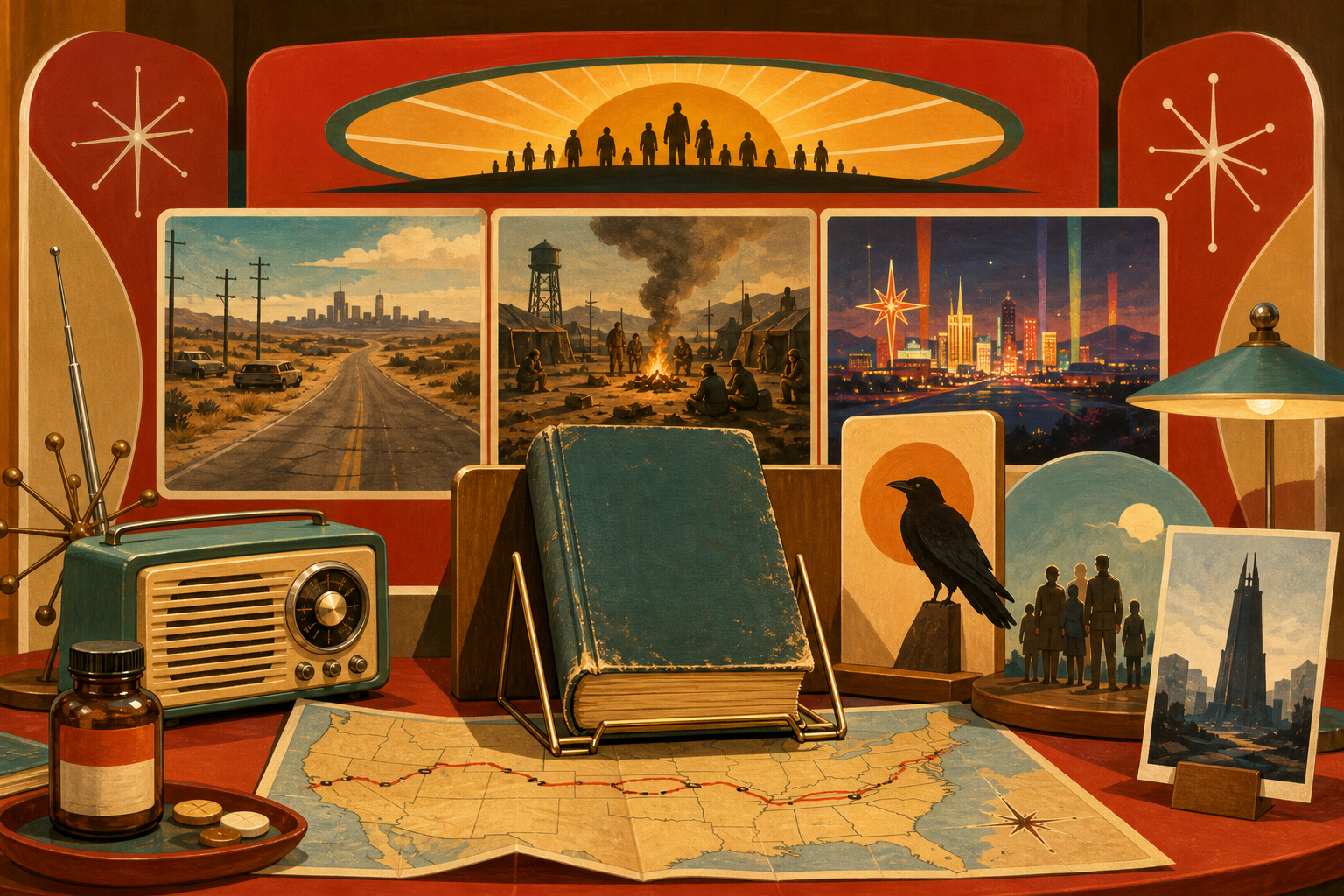
I remember turning the final page of The Stand and getting that annoying post-book hangover where every normal-sized novel suddenly feels too small. King’s epic does not just give you Captain Trips. It gives you cross-country mileage, dream-prophecy weirdness, committee-room rebuilding, Randall Flagg swagger, and a cast you live with long enough that Boulder starts to feel like a place you have actually visited.
That is what makes The Stand a slightly awkward book to recommend after the fact. Most readalikes only match one part of it. Some have the plague. Some have the mythic good-versus-evil pressure. Some have the long road across a broken America. Very few have all of them at once.
So I built this list around the specific parts of The Stand readers usually want more of. If you want the closest overall companion, start with Swan Song. If you really want more Stephen King first, go straight to Cell or The Dark Tower. If the part that stayed with you was the painful business of rebuilding civic life after catastrophe, Alas, Babylon and The Postman are better matches than another superflu novel.
The mistake generic lists make here is recommending the biggest apocalypse books they can remember and calling it a day. I wanted sharper handoffs than that. This list is trying to answer different versions of the same question: do you want more plague, more prophecy, more survivors on the road, more American rebuild politics, or just another giant end-of-the-world novel that knows how to keep turning pages?
Best Books Like The Stand at a Glance
- Closest overall epic: Swan Song
- Best for another huge outbreak-and-aftermath saga: The Passage
- Best for practical small-town survival: Alas, Babylon
- Best if you want more Stephen King immediately: Cell
- Best if you want the larger King-universe angle: The Dark Tower
- Best for rebuilding-America energy: The Postman
- Best for a quieter, grief-soaked post-pandemic follow-up: The Dog Stars
> Ryan's quick-start picks
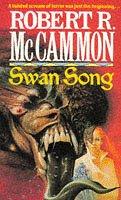
Swan Song
Start here for the nearest thing to The Stand's huge cast, mythic stakes, and end-of-the-world sprawl.
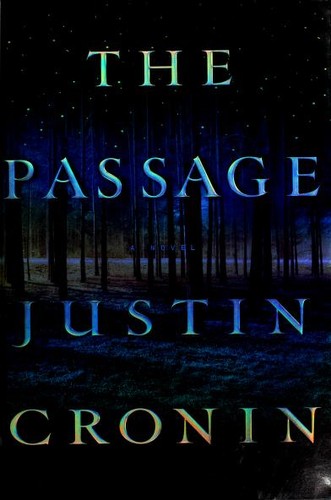
The Passage
Start here if Captain Trips was the hook and you want another giant engineered-plague epic.

Alas, Babylon
Start here if your favorite chapters were the ones about food, fuel, medicine, leadership, and keeping a town decent.
Swan Song by Robert R. McCammon
This is the most obvious omission from the original version of this guide, and honestly the cleanest answer to the search query. Swan Song starts with nuclear war rather than plague, but it scratches remarkably similar itches: a huge cast scattered across a ruined America, supernatural good-and-evil pressure, grotesque villains, and that same big, baggy, compulsively readable sense that the whole country has become one long nightmare journey.
McCammon is pulpier than King and less interested in small-town committee realism, but the scale match is real. If what you loved most about The Stand was the sensation of living inside an enormous American apocalypse with prophetic overtones, this is the closest tonal cousin on the shelf.
The Passage by Justin Cronin
If your favorite part of The Stand was the outbreak itself, the government-made pathogen, and the feeling that history has slipped its leash in a really big way, The Passage is a strong next stop. Cronin gives you an engineered infection, a sprawling cast, a long-view apocalypse, and enough time with the collapse to make it feel civilizational rather than merely eventful.
It is more gothic than The Stand, less folksy, and definitely more interested in vampire-adjacent monsters than King is. But in terms of sheer scale, patience, and end-of-the-world ambition, it lands in the same broad category of “I need a large novel and I need the whole world to break in it.”
Alas, Babylon by Pat Frank
I recommend this one a lot because it understands something The Stand also understands: apocalypse is mostly logistics. After nuclear war isolates a Florida town, the novel gets intensely interested in water, food, communication, leadership, medicine, and the slow daily work of keeping a community recognizable.
It is smaller, older, and far less mythic than King’s novel, but that difference is exactly why it earns a place here. If the chapters you loved most were the ones where survivors stop wandering and start figuring out how a place can function again, Alas, Babylon is a better match than most more obvious plague novels.
Cell by Stephen King
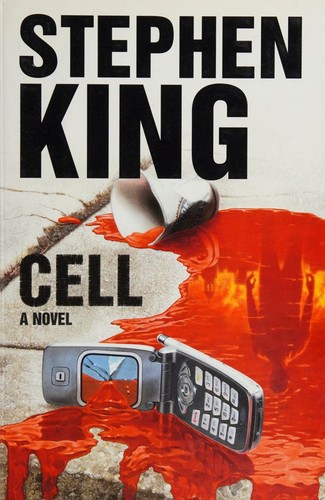
The Stand is not King’s only trip through the end-of-the-world sandbox, and Cell is still the quickest way to watch him do apocalypse in a nastier, faster-moving register. The premise is gloriously silly, a signal through the cell network turns users into violent ferals, but King sells it through momentum, vivid set pieces, and that familiar instinct for throwing ordinary people into social collapse fast.
I keep this on the list because sometimes the search intent is not really “find me a thematically adjacent novel by another author.” Sometimes it is “I just finished a huge Stephen King book and I want more Stephen King, right now.” For that reader, Cell makes far more sense than pretending authorial voice does not matter.
The Dark Tower by Stephen King
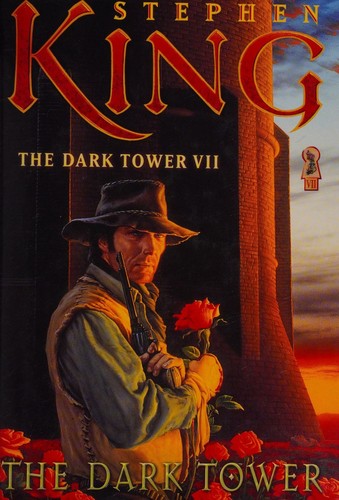
I kept this from the original guide because the connection is still useful, and because it is a real one rather than a cute crossover footnote. The Stand and The Dark Tower share Randall Flagg, apocalyptic imagery, and the sense that King’s different ruined Americas are all bleeding into one another somewhere behind the curtain.
This is not the closest structural follow-up if what you want is another plague novel. It is the right recommendation if what you really miss is King’s larger mythology: wastelands, prophecy, long quests, moral testing, and the exhilarating feeling that his books are secretly talking to each other.
The Postman by David Brin
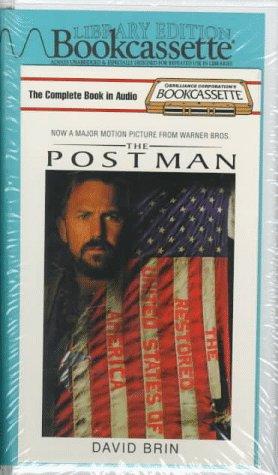
I also kept this one from the original version, but I would frame it more precisely now. The overlap is not Captain Trips or Flagg-style supernatural evil. It is the shape of the journey and the question of what comes after collapse. Brin’s drifter crosses a broken United States and accidentally helps rebuild symbols, institutions, and civic meaning one letter at a time.
That makes it a smart follow-up for readers who finished The Stand thinking less about the plague and more about Boulder, governance, and whether a country can stitch itself back together from scraps. It is more hopeful than King, and more earnest too, but that shift is part of its charm.
The Dog Stars by Peter Heller
This is the least obvious recommendation here, and one of the ones I most like handing to people who say, “Yes, I wanted the apocalypse, but I also wanted the loneliness.” After a pandemic empties the world, Hig survives in the ruins, flies reconnaissance in his small plane, grieves the dead, and keeps trying to decide whether hope is still worth the risk.
It does not have The Stand’s sheer sprawl, but it does capture something adjacent to its emotional aftertaste: the strange quiet after mass death, the tenderness that survives inside brutality, and the feeling that human connection matters more once the old world has gone. If you liked King’s epic partly because it made the end of the world feel sad rather than just exciting, this is a strong left-field follow-up.
Where I Would Send Different Stand Readers Next
- If you want the single closest overall readalike, read Swan Song.
- If you want another gigantic outbreak novel, read The Passage.
- If you want more Stephen King before anything else, read Cell and then head to Stephen King’s post-apocalyptic books.
- If you want the broader Randall Flagg, quest, and myth angle, read The Dark Tower and then jump to Books Like The Dark Tower.
- If you want more books about people rebuilding order after collapse, go next to post-apocalyptic book series or the wider best post-apocalyptic books.
- If you realize the plague angle was the real hook all along, the natural next stop is pandemic books.