Draft: The 21 Best Zombie Books
Ash Tales
If your idea of a perfect weekend is grim survival fiction, social collapse, and at least one scene where someone regrets opening a door, same. I love zombie fiction because it’s never really just about zombies—it’s about institutions failing, people panicking, and the weirdly creative ways humans keep going anyway. This list is my go-to set of 21 zombie books that I keep recommending over and over.
Breathers by S.G. Browne
This one follows Andy, a self-aware zombie trying to exist in a world where both humans and other undead treat him like a punchline. It mixes support-group absurdity with real loneliness, and somehow makes decomposition feel emotionally relatable. The premise sounds broad and comic, but Browne is better than that: he keeps finding small humiliations and odd moments of tenderness that make Andy feel less like a gimmick and more like a genuinely stranded person.
I include it because most zombie books go hard on gore and tactics, but Breathers nails social alienation and dark comedy. If you like your apocalypse with heart and sarcasm, this is a genuinely great pick. It also works well as a palate cleanser if you’ve been reading nothing but bleak survival horror and want proof that zombie fiction can be funny without turning weightless.
Cell by Stephen King
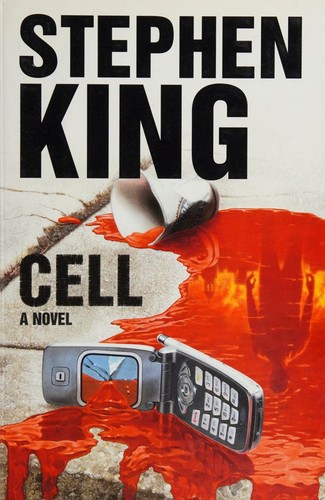
A mysterious signal transmitted through cell phones turns people into violent, hive-minded predators. King drops you right into the collapse and keeps the pace aggressive as survivors try to cross a rapidly unraveling America. What makes it work is how quickly the familiar world becomes unusable: airports, roads, crowds, and everyday routines all flip from convenience to threat almost instantly.
I rate this one for pure momentum. The tech trigger dates it a little, sure, but the panic and social freefall still work brilliantly if you want a fast, cinematic zombie-adjacent nightmare. It’s one of the better choices here if you want the feeling of being shoved into catastrophe before anyone has had time to think clearly.
Dead City by Joe McKinney
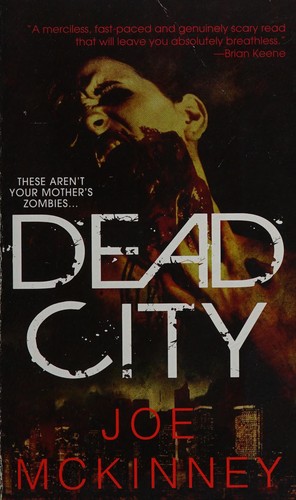
Set during the opening shockwave of an outbreak, this follows Eddie Hudson, a San Antonio cop trying to reunite with his family while the city tears itself apart. It’s brutal, fast, and very committed to showing how quickly order disappears. McKinney has a knack for making the outbreak feel municipal and physical at the same time: collapsing neighborhoods, overwhelmed responders, and the awful speed with which normal life becomes impossible.
I recommend it because it captures that first-72-hours chaos better than most books in the genre. If you like ground-level survival under impossible pressure, Dead City delivers hard. There’s very little romance to the collapse here, which is exactly why it lands so well.
Feed by Mira Grant
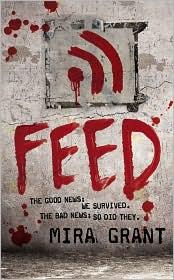
In a post-outbreak America, blogging teams have become frontline journalists, and two siblings uncover a political conspiracy while covering a presidential campaign. It combines media culture, biosecurity, and undead threat in a way that still feels fresh. The worldbuilding is one of the real pleasures of the book: Grant clearly enjoys thinking through how a zombie event would reshape language, risk, celebrity, and public trust long after the initial panic.
I love this one because it’s not just “run from zombies”—it’s systems, spin, trust, and institutional failure. If you want zombie fiction with brains (pun unavoidable), Feed is top-tier. It’s also one of the strongest examples of a zombie novel that feels political in a meaningful way rather than just decorative.
I Am Legend by Richard Matheson
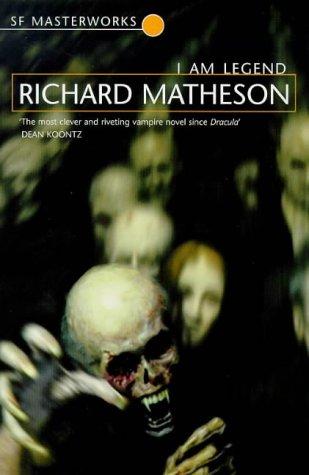
Robert Neville appears to be the last uninfected man alive, barricading himself by night and hunting by day while trying to understand the plague that ended civilization. The book is tight, bleak, and psychologically sharp. Even now, what stands out most is the loneliness of it: the routines, the paranoia, the self-discipline, and the sense that the end of the world might be as repetitive as it is terrifying.
It’s here because it shaped half the genre that came after it. Whether you read the monsters as zombies, vampires, or both, the loneliness and moral inversion still hit like a hammer. It’s also one of the cleanest reminders that apocalypse fiction does not need huge scope to feel immense.
Monster Island by David Wellington
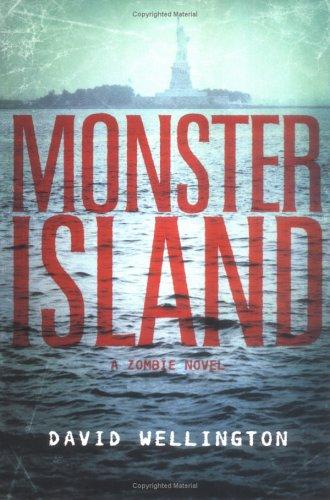
A mission into zombie-overrun New York spirals into a full-scale confrontation with intelligent undead and ugly human agendas. Wellington goes big on action, body horror, and escalating stakes. This is not a subtle book, but that is part of the appeal: it keeps topping itself with new grotesque turns and bigger confrontations without pretending it is aiming for quiet realism.
I put this on the list when someone wants maximalist apocalypse energy. It’s chaotic, pulpy, and unapologetically wild in exactly the way a lot of zombie readers want. If your taste runs more toward restraint or literary atmosphere, this probably won’t be your favorite, but if you want excess done with conviction, it absolutely delivers.
My Life as a White Trash Zombie by Diana Rowland
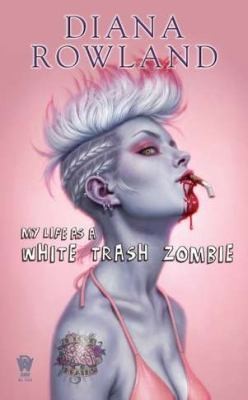
Angel Crawford wakes up after an overdose to discover she now needs brains to function and has a new job at the morgue. What starts as comic chaos turns into a surprisingly warm story about responsibility and self-worth. The undead element gives Rowland room to play, but the real hook is Angel herself: she is messy, defensive, funny, and much more compelling than the title might lead you to expect.
I always include this because it proves zombie fiction can be funny without being flimsy. If you want character growth with your gore, this is a blast. It’s a good recommendation for readers who want undead fiction with personality rather than relentless despair.
Patient Zero by Jonathan Maberry
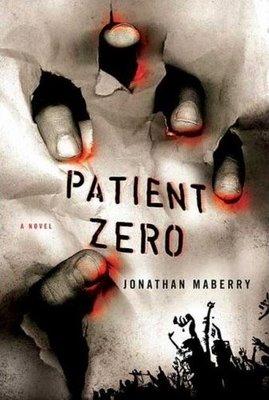
Joe Ledger gets pulled into a covert military unit trying to stop engineered bioweapons from turning people into the undead. It’s part techno-thriller, part monster-action novel, and relentlessly kinetic. Maberry writes with real confidence in the tactical register, so even when the book is doing big popcorn-movie things, it still feels grounded in procedure, capability, and escalation.
I recommend it when someone wants tactical, high-octane zombie fiction with military ops flavor. It’s less moody than classics, but it absolutely rips. If your favorite part of apocalypse fiction is the “containment has failed and now specialists are improvising under pressure” phase, this is a strong pick.
Pride and Prejudice and Zombies by Seth Grahame-Smith
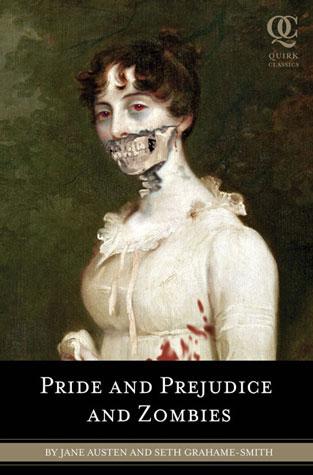
The Austen original gets remixed with martial arts, undead attacks, and social combat of both the drawing-room and literal sword variety. It’s absurd, playful, and surprisingly readable as a mashup. The joke is obvious on paper, but the book works better than it should because it commits hard to the blend instead of treating the zombie material like a lazy overlay.
I include it for range: not every zombie book has to be grim. If you like genre collision done with confidence, this is still one of the better gimmick-that-actually-works novels. It’s also handy proof that undead fiction can support satire and formal silliness just as well as horror.
The Forest of Hands and Teeth by Carrie Ryan
In an isolated village surrounded by the undead, Mary starts questioning the rules that keep everyone alive—and trapped. The novel blends YA immediacy with claustrophobic horror and social control. Ryan is especially good at making fences, rituals, and inherited rules feel oppressive enough that the human community becomes almost as frightening as the creatures outside it.
I like it because it treats the undead as both physical threat and ideological weapon. If you want tense atmosphere over endless gunfire, this one works. It’s one of the cleaner entry points on the list if you want something unsettling and intimate rather than sprawling.
The Girl with All the Gifts by M.R. Carey
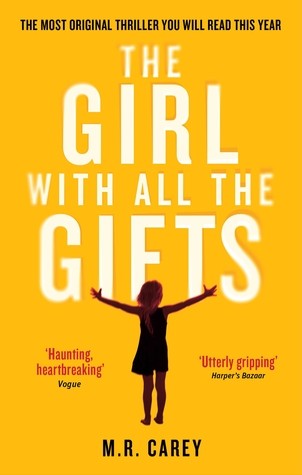
Melanie is a brilliant child in a militarized research facility where infected kids are studied as both threat and hope. When everything collapses, she and a small group flee into a ruined Britain. Carey is excellent at balancing dread with curiosity, and the book keeps opening outward in smart ways as you begin to understand what kind of world this really is.
This is one of the smartest modern zombie novels because it balances action with real ethical bite. If you want emotional depth and big ideas, start here. It’s also one of the few books on this list I’d recommend comfortably to readers who do not usually think of themselves as zombie fans.
The Living Dead by John Joseph Adams

This anthology pulls together a huge range of zombie stories from classic and contemporary voices, covering satire, tragedy, splatter, and slow-burn dread. It’s basically a guided tour of undead storytelling modes. Anthologies can sometimes feel uneven by nature, but that variety is the point here: you get to see just how many tones the zombie subgenre can sustain.
I recommend it when someone is still figuring out their zombie taste. You get a lot of styles quickly, and it’s perfect for discovering what flavor of apocalypse you actually like. If you come away loving only three or four pieces, that still tells you something useful about where to go next.
The Passage by Justin Cronin
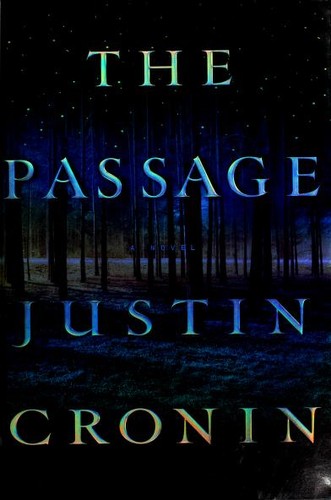
A government experiment unleashes a catastrophic plague, and the story expands across years of collapse and reconstruction with multiple viewpoints. It reads like an epic bridge between zombie fiction, vampire horror, and post-apocalyptic saga. Cronin is after scale here: not just survival scenes, but civilizational arcs, mythic dread, and the feeling that the world has slipped into a much older darkness.
I keep this on the list because it has serious scope and atmosphere. If you want “the end of the world, but make it huge,” this is an excellent commitment read. It asks more patience than some of the sharper, faster books here, but it pays that patience back with ambition.
The Reapers Are the Angels by Alden Bell
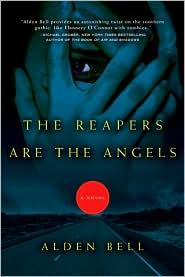
Temple, a hardened teenager in an undead-ravaged South, keeps moving through violence, guilt, and uneasy grace. Bell’s prose is lyrical and biblical in tone, which gives the brutality a haunting rhythm. The book has the feel of a dark folktale or a dust-blown southern gothic rather than a standard outbreak thriller, and that difference matters.
I include it because it’s one of the most literary zombie novels on the shelf. If you want language and mood as much as plot, this one is outstanding. It’s the book on this list I’d reach for when someone wants undead fiction that feels genuinely authored rather than merely assembled.
The Twelve by Justin Cronin
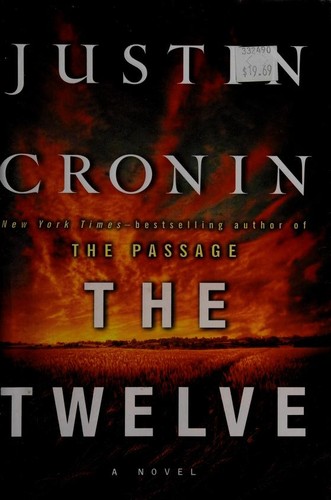
The second book in Cronin’s trilogy deepens the war between survivors and virals while broadening the political and emotional map of the world. It’s darker, more fragmented, and deliberately bigger in ambition. Sequels in apocalypse trilogies often sag in the middle; this one earns its place by widening the mythology without losing the sense of civilizational strain.
I recommend it here because if The Passage works for you, this is where the mythology and stakes really lock in. Not the easiest sequel, but very rewarding. It’s less immediate than the opener, but richer in the way long-form apocalypse fiction often needs to be.
The Zombie Survival Guide by Max Brooks

Framed like a practical manual, this breaks down zombie scenarios, preparation tactics, and survival strategies in deadpan detail. It’s funny because it commits so completely to the bit. Brooks understands that the fake-document format is not just a joke delivery system; it is a whole way of making the undead feel weirdly plausible.
I always add it because it changed zombie fandom culture as much as zombie fiction itself. It’s not a novel, but it’s essential genre DNA. You can feel its influence everywhere from internet zombie discourse to later survival-oriented stories that take logistics as seriously as scares.
The Walking Dead by Robert Kirkman
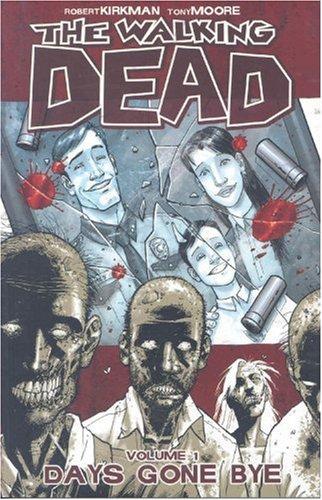
This long-running graphic series follows Rick Grimes and other survivors through shifting communities, moral collapse, and constant undead pressure. It’s less about jump scares and more about the politics of surviving long-term. What makes it last is attrition: people change, groups calcify, values erode, and the undead become a permanent pressure rather than a one-off spectacle.
It belongs on this list because few zombie works sustain tension and character attrition at this scale. If you want a sprawling survival chronicle, this is still a heavyweight. It’s also one of the clearest examples of the genre maturing past simple monster threat into questions of leadership, punishment, and social order.
Undead Girl Gang by Lily Anderson

After her friend dies, Mila uses occult magic to raise the dead and accidentally sparks a chaotic investigation. It’s part mystery, part comedy, and part undead teen drama with sharp attitude. The voice is quick and contemporary, and the book knows how to keep its energy bright without losing the emotional reason the resurrection happened in the first place.
I include it for readers who want a lighter, punchier tone without abandoning zombie weirdness. It’s fast, fun, and distinctly its own thing. If your tolerance for extended bleakness is low, this is one of the friendlier entries on the list.
Warm Bodies by Isaac Marion
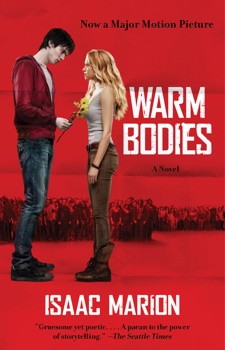
R is a zombie who starts recovering fragments of humanity after meeting Julie, and the story plays that premise as both romance and existential recovery arc. It’s gentler than most entries here, but still rooted in collapse. Marion leans into interiority in a way a lot of undead fiction doesn’t, which gives the book a dreamy, oddly sincere quality.
I recommend it because it shows the genre can do tenderness without losing the apocalypse backdrop. If you’re zombie-fatigued by pure gore, this is a smart reset. It’s also useful if you want to see how elastic the subgenre can be without ceasing to be itself.
World War Z by Max Brooks
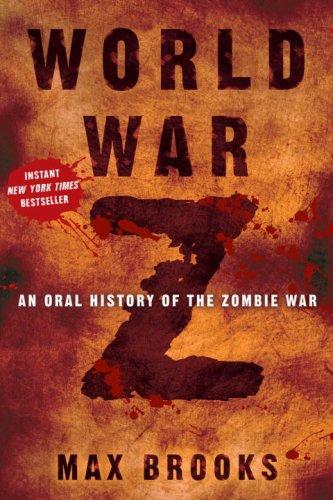
Told as an oral history from survivors around the world, this novel maps the zombie war through military failure, migration, propaganda, and adaptation. It’s wide-angle storytelling done incredibly well. Instead of treating the undead as a local problem for a tiny cast, Brooks turns them into a systems-level event and asks what entire governments, armies, and populations would actually do.
This is my favorite on the list because it treats zombies like a systems-level disaster instead of just a monster problem. It’s one of the rare books in the genre that genuinely feels historic. I also think it’s the clearest answer to the question of why zombie fiction keeps mattering: because it gives writers a way to think about panic, logistics, denial, and collective adaptation at scale.
Zone One by Colson Whitehead
Mark Spitz works post-outbreak cleanup in Manhattan, clearing undead remnants while reflecting on memory, class, and survival psychology. It’s literary, introspective, and intentionally slower than action-heavy zombie fiction. Whitehead is not trying to keep your pulse racing every page; he is more interested in the exhausted texture of aftermath and the deadening routines that follow catastrophe.
I close with this because it’s less about outbreak spectacle and more about aftershock identity. If you like reflective apocalypse writing, Zone One is brilliant. It’s a good final recommendation because it shows what zombie fiction looks like once the subgenre has become confident enough to slow down and stare at the cleanup.
Where to start
If you want classic foundations, start with I Am Legend and World War Z. They represent two of the genre’s most important poles: one is stripped down, lonely, and psychologically claustrophobic; the other is panoramic, political, and interested in what happens when the undead become a global systems problem rather than one man’s nightmare.
If you want emotional depth, pick The Girl with All the Gifts or The Reapers Are the Angels. The Girl with All the Gifts is the easier modern entry point if you want momentum, moral complexity, and a book you can recommend to almost anyone. The Reapers Are the Angels is the one to choose if you want something sadder, stranger, and more literary in its language and atmosphere.
And if you just want pure propulsive chaos, go Dead City or Patient Zero first. Dead City is the better pick for street-level outbreak panic and the feeling that a city is collapsing in real time around ordinary people. Patient Zero is better if you want tactical action, engineered horror, and a military-thriller rhythm that barely stops to breathe.
> Ryan's quick-start favorites
World War Z
For the smartest global-scale zombie apocalypse.
The Girl with All the Gifts
For emotional depth, ethical bite, and a modern entry point.
I Am Legend
For a lean classic that shaped half the genre.