5 Epic Books Like “The Stand” by Stephen King
I remember turning the final page of Stephen King’s sprawling armageddon novel The Stand. It was hard to say “goodbye” to the character development, the haunting possibilities of Captain Tripps, the band-of-survivors-roaming-the-wastes vibe…
So I didn’t. Instead of mourning The Stand forever, I sought out other books that felt like kindred spirits, with similar themes, writing styles and plot points. This list contains my favourites five end-of-the-world stories that bear more than a passing resemblance to The Stand (whilst being wholly worth reading in their own right).
The Road by Cormac McCarthy
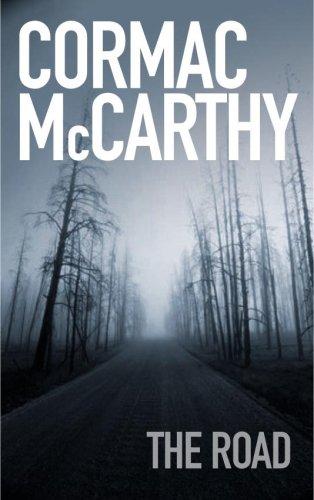
Set in a world that has been ravaged by an unspecified disaster, the novel follows the story of a father and son as they travel across a dangerous landscape in search of safety. Along the way, they must contend with roving gangs of cannibals, as well as the challenges of living in a world where nearly all life has been extinguished. McCarthy’s book combines harrowing depictions of survival in a hostile world with gorgeous, almost lyrical writing.
Like The Stand, The Road delivers a heavy dose of road-trip-through-the-end-of-the-world dread, as its main characters navigate a US that has been ravaged by disaster.
Cell by Stephen King
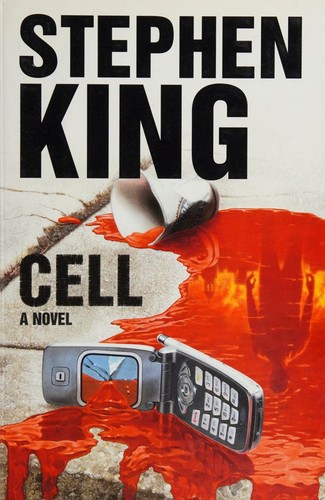
Cell takes place in New England after a pulse from a mobile phone network turns everyone who uses a cell phone into, you guessed it, zombies. The protagonist, Clay Riddell, is an artist who was in Boston on the day of the Pulse. He joins forces with a group of survivors, including a young mother and her child, to try to escape the city. Along the way, they must battle not only the zombies, but also looters and other survivors who are desperate to escape. Although it is a work of fiction, Cell is grounded in real-world fears about our dependence on technology.
The Stand is not King’s only post-apocalyptic book, and Cell is the closest example of him returning to that same end-of-the-world sandbox with a nastier, faster-moving premise.
The Passage by Justin Cronin
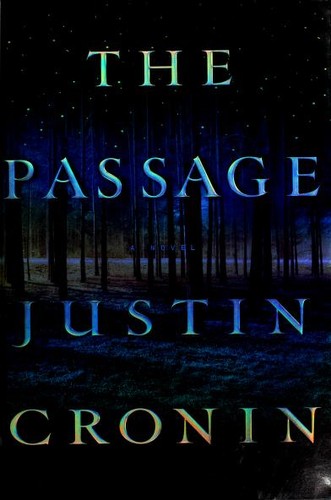
The Passage is a vampire apocalypse story with a twist. The monsters here are infected humans transformed by a government-made virus, and the story follows Amy, one of the first people infected, alongside a group of survivors trying to endure the collapse. It is sweeping, character-driven, and deliberately built on an epic scale.
This is one of the cleanest follow-ups to The Stand because it is another enormous outbreak novel about survivors, social breakdown, and a catastrophe with a faint supernatural edge.
The Dark Tower by Stephen King
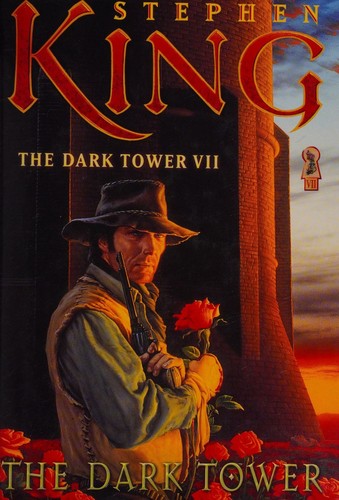
The Dark Tower is King’s sprawling eight-book series about Roland Deschain, the last Gunslinger, as he crosses a decaying, post-apocalyptic world in search of the Tower at the center of all universes. It is huge, strange, and one of King’s most ambitious projects, mixing fantasy, horror, science fiction, and western imagery.
I always include this for The Stand readers because the two books are directly connected. Captain Trips and the ruined world of The Stand bleed into The Dark Tower, and the series feels like King building a larger mythology around the same apocalyptic obsessions.
The Postman by David Brin
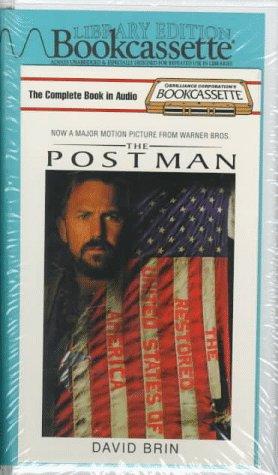
The Postman is set in a future United States shattered by nuclear war. A drifter finds a postman’s uniform and, by wearing it, accidentally kicks off the slow process of rebuilding civil society one letter at a time. It is one of the more hopeful post-apocalyptic novels on this list, but it still understands how fragile order really is.
The overlap with The Stand is the wandering-across-a-broken-America structure, plus that same fascination with what comes after collapse: not just how people survive, but how they start rebuilding symbols, institutions, and meaning.
While The Stand has no true imitators, these five books each capture part of King’s formula: the scale, the survivor dynamics, the long-haul journey, or the outbreak panic. If you loved Stephen King’s epic, you will probably find something here that scratches the same itch.